


Published : 02 Jun 2016, 03:20 PM
Updated : 19 Oct 2022, 05:17 PM


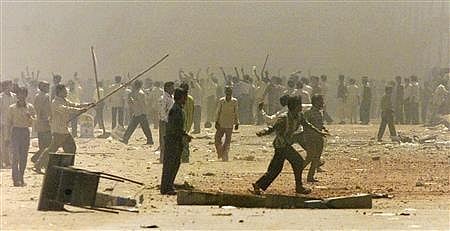
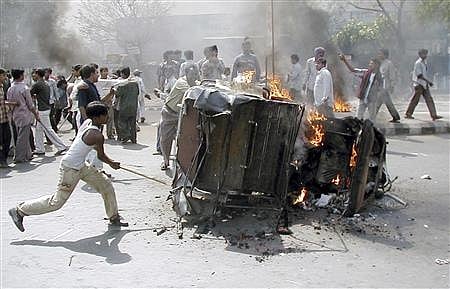
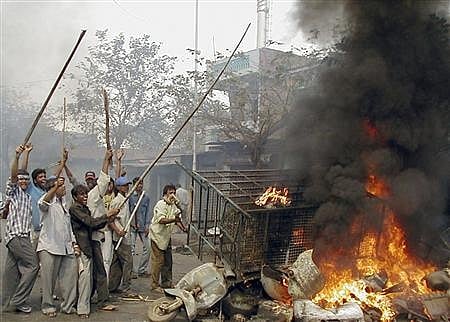
A total of 69 Muslims, including a former lawmaker, were killed at a housing society in Ahmedabad, Gujarat's main city, in the 2002 riot when a mob set fire to their homes and attacked fleeing families, prosecutors said.
Lawyers representing the victims said the court acquitted 36 defendants who had been on trial since 2009. Four of the accused died during the trial.
Of those found guilty on Thursday, 11 were convicted of murder and the rest of lesser charges which will not be made public until sentencing on Monday, said S.M. Vohra, a lawyer for more than three dozen riot victims.
"It has taken me 14 years to prove the crime committed against innocent Muslims. Justice will heal the wounds of the riot survivors," Vohra said.
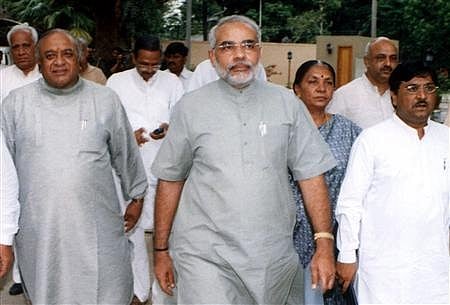
The then Gujarat chief minister Narendra Modi, now the Indian prime minister, walks with his cabinet colleagues after handing in his resignation letter to the state governor in this 2002 file photo.
A Hindu mob scaled a boundary wall of the Gulbarg housing society and began torching the houses on February 28, 2002, prosecutors said. The attack came a day after 60 Hindu pilgrims died in a train blaze, triggering the rioting. A court convicted 31 people years later of arson.
Ehsan Jafri, a former lawmaker for the Congress party, was among those killed at the housing society. He was dragged out of his home, hacked and burnt to death, prosecutors said.
Jafri's wife is separately fighting the last legal battle against Prime Minister Modi in relation to the riots, accusing him of turning a blind eye.
Modi ruled Gujarat state for a decade before becoming prime minister in 2014. Accusations he did not do enough to stop the rioting have dogged his career.
Modi has always denied any wrongdoing. In 2013, a panel appointed by the Supreme Court said there was insufficient evidence to prosecute him.












