


Published : 05 Nov 2013, 10:05 PM
Updated : 20 Oct 2022, 03:40 PM


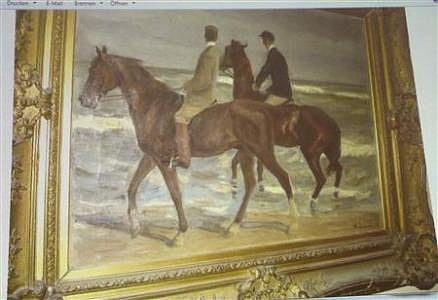
Customs investigators seized the 1,400 artworks, dating from the 16th century to the modern period and by artists such as Canaletto, Courbet, Picasso and Toulouse-Lautrec, last year, an official said.
While experts consider the works to be of huge artistic value, the task of returning them to their rightful owners could take many years and poses a huge legal and moral problem for German authorities.
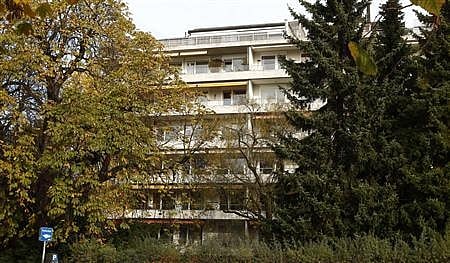
The haul, found in the flat of Cornelius Gurlitt, the reclusive son of a war-time art dealer, is one of the most significant discoveries of works looted by the Nazi regime and could be worth more than $1 billion, according to a German magazine.
Gurlitt has since vanished and authorities have not explained why it has taken them about a year to announce the massive find. The paintings, which were found in generally good condition, are being stored in an undisclosed location and they will not be published online.
"When you stand in front of works that were long considered lost, missing or destroyed, and you see them again, in a relatively good condition - a little bit dirty but not damaged - it's an incredible feeling of happiness," said Meike Hoffmann, an art expert from Berlin's Free University who has been assessing the find.
Systematic Plunder
The Nazis systematically plundered hundreds of thousands of art works from museums and individuals across Europe. Thousands of works are still missing.
Investigators chanced upon the art after Gurlitt, believed to be in his seventies, aroused their suspicions as he travelled by train between Zurich and Munich, carrying thousands of euros in cash, according to German media. He has since disappeared.
"We cannot say where the accused is, we do not know ourselves," said Reinhard Nemetz of the public prosecutor's office in Augsburg.
Jewish groups have urged that the origins of the art works be researched as quickly as possible, so that, if looted or extorted, they can be returned to their original owners.
For some families missing art constitutes the last personal effects of relatives murdered during the Holocaust.
Officials declined to comment on the value of the art. Germany's Focus magazine, which revealed the find and prompted authorities to go into the open, said it could be worth over 1 billion euros ($1.35 billion).
"We were able to confiscate 121 framed artworks and 1285 non-framed works, including some famous masterpieces," Nemetz said. "We had concrete clues that we were dealing with so-called 'degenerate art', or so-called looted art."












