Published : 17 Nov 2026, 09:39 PM
Updated : 17 Nov 2026, 09:39 PM


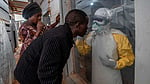
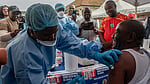
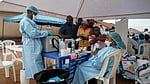
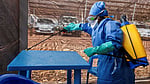
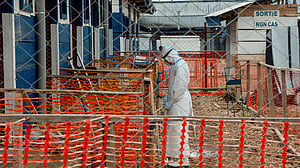
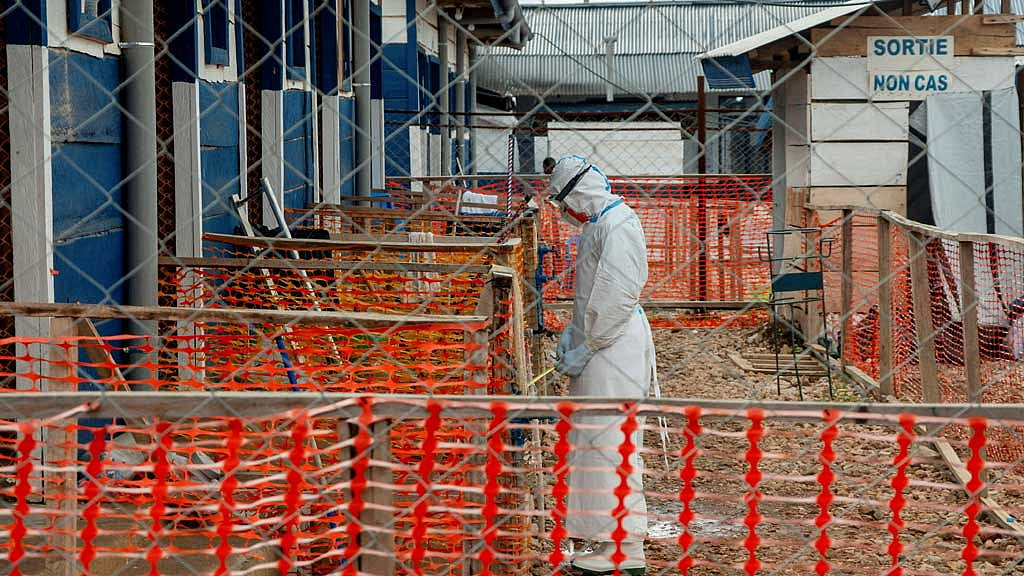
The Ebola outbreak in eastern Democratic Republic of Congo remains out of control six months after it was first declared, with case numbers and deaths still rising at a record pace.
Despite an outpouring of aid, resource shortages, insecurity and poor coordination hamper efforts to contain the outbreak, already the second-largest on record globally.
WHAT THE NUMBERS SHOW
The outbreak, caused by the rare Bundibugyo strain of the virus, is spreading faster than any previous outbreak on record, alarming public health officials.
Over 11,000 people have been infected, and over 5,500 have died since it was declared on May 15, according to government data.
Official data shows infections and deaths are rising at double the rate seen during the first six months of West Africa's outbreak in 2014-16, the largest on record. In that outbreak, more than 28,600 people were infected, and over 11,000 died, mostly in Guinea, Liberia and Sierra Leone, according to the World Health Organisation.
Congo has seen many Ebola outbreaks but never on this scale.
This is Congo's 17th Ebola outbreak, and it already dwarfs the 2018-2020 outbreak, previously the largest on record in the Central African nation. That outbreak ended with 3,481 cases and 2,299 deaths recorded.
INSECURITY, POOR COORDINATION
Health workers, vehicles and surveillance teams have come under attack in communities that distrust outsiders.
WHO Director General Tedros Adhanom Ghebreyesus told reporters on Tuesday that insecurity was among the greatest obstacles to the response.
The medical charity Médecins Sans Frontières said last week that vital resources and supplies still aren't reaching hot spots outside the original epicentre in Ituri province.
Health workers have gone on strike over conditions and unpaid salaries, and some haven't been paid since August, Congo government and health officials say. Tedros said the delay was slowing the response. Congo's government says it is working to rectify the problem.
Some $2.9 billion has been pledged for the response, but less than half of that has been disbursed, according to Africa's top public health agency. It has urged donors to work closely with Kinshasa to avoid wastage through duplication.