


Published : 27 Aug 2021, 02:31 PM
Updated : 14 Oct 2022, 06:57 PM


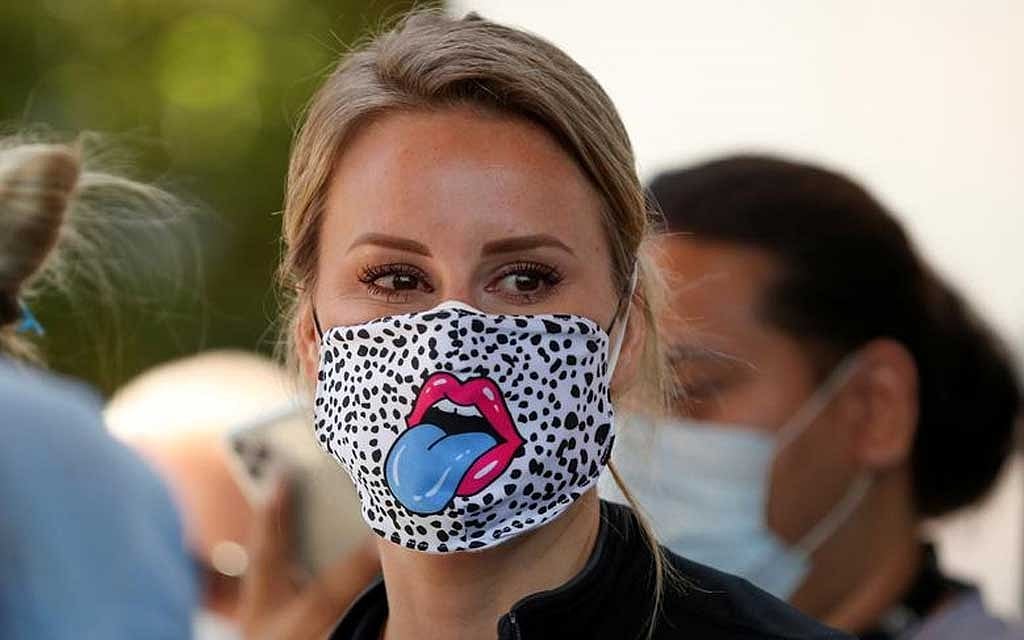
UNAM is calling the triple-layered antimicrobial facemask SakCu; Sak means silver in Mayan and Cu is the chemical symbol for copper.
To test the mask, researchers took drops with the virus from COVID-19-positive patients at the Hospital Juarez in Mexico and placed them on the silver-copper film deposited in polypropylene.
UNAM said that if the viral concentration was high, the virus disappeared by more than 80 percent in about eight hours and if the viral load was low, in two hours none of the virus RNA was detected.
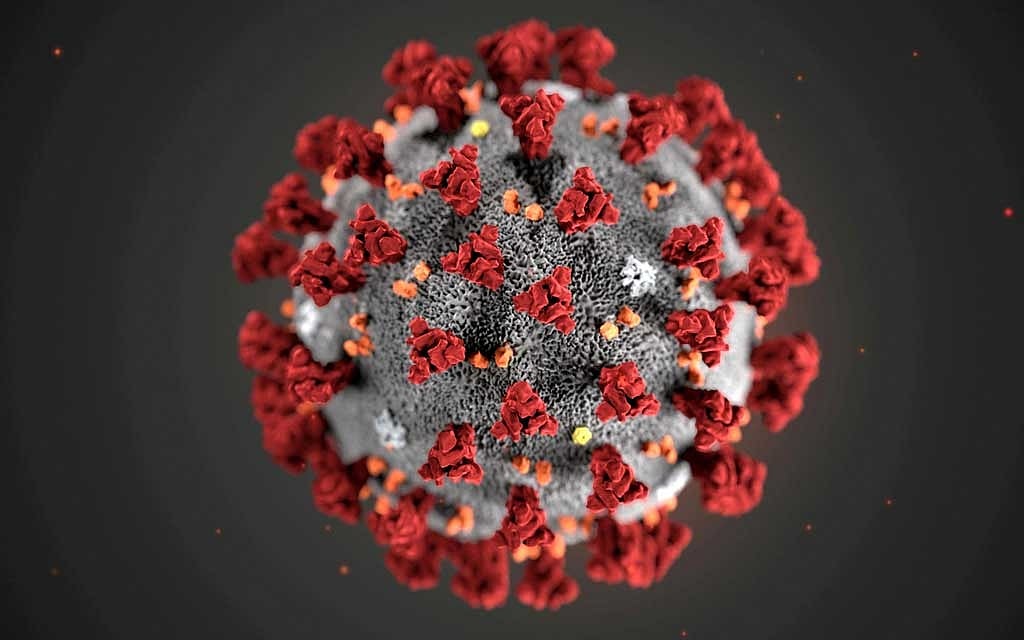
"Upon contact with the silver-copper nanolayer, the SARS-CoV-2 membrane breaks and its RNA is damaged," the gazette said. "Thus, even if SakCu is disposed of improperly, it will not be a problem as it does not remain contaminated, like many of the masks that are thrown away."
The facemask is reusable and can be washed up to 10 times without losing its biocide properties.
UNAM is not mass-producing the facemask and said that it currently has the capacity to produce 200 of them per day.
The research was led by UNAM's Materials Research Institute. It has not been peer-reviewed.












