Published : 26 Nov 2026, 11:38 PM
Updated : 26 Nov 2026, 11:38 PM


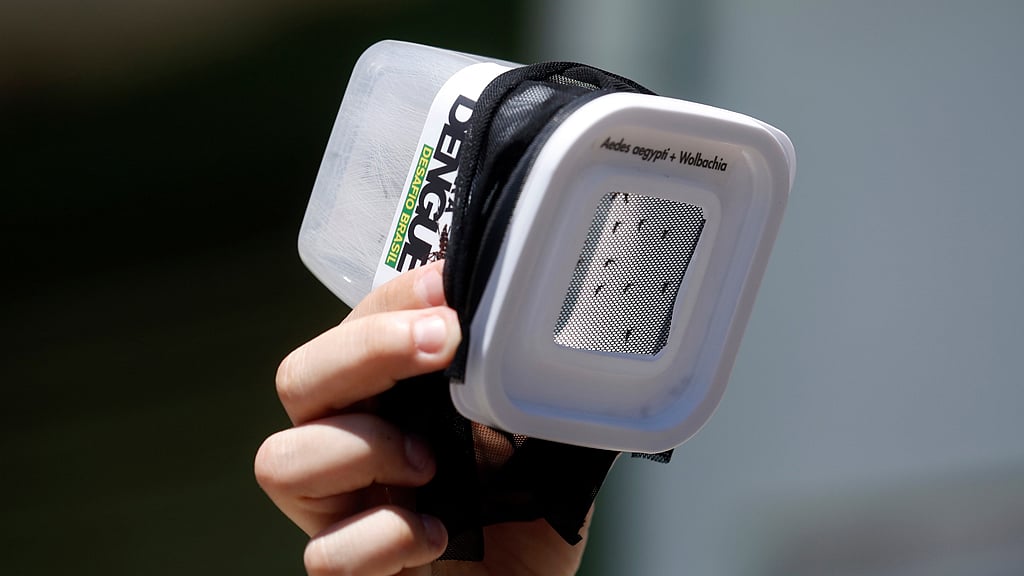
Scientists in Brazil have reported a 68.5 percent drop in dengue infections after releasing millions of mosquitoes carrying harmless Wolbachia bacteria, according to a report by Al Jazeera.
Investigators from Brazil's Ministry of Health, Emory and Yale universities, and the US National Institute of Allergy and Infectious Diseases ran the trial in Belo Horizonte from 2020 to 2024.
Researchers introduced Wolbachia into Aedes aegypti mosquitoes, which normally lack the bacterium and spread dengue, chikungunya, Zika and yellow fever. Wolbachia limits viral growth inside the insect without harming humans.
Testing across 5,700 children showed 4 percent positive routine blood tests in release zones versus 14 percent in comparison areas, alongside a 73.3 percent drop in chikungunya.
The findings were presented at an American Society of Tropical Medicine and Hygiene meeting in Maryland.
Broader deployments include the World Mosquito Program's work in Colombia and Niteroi, Singapore's male-release suppression programme since 2016, and small experimental malaria-vaccine mosquito trials in the Netherlands and the US, says Al Jazeera.
Global health specialist David Hamer of Boston University told The Associated Press that expanding Wolbachia use could lower dengue levels across many regions.
Researchers aim for treated mosquito populations to reproduce and sustain protection over time.