


Published : 11 Sep 2021, 01:28 AM
Updated : 14 Oct 2022, 06:58 PM


Two years ago, the government sent a letter to the Islamic Foundation, asking for its opinion on the establishment of a bank for breast milk. But the Islamic Foundation has yet to offer a clear solution to the issue.
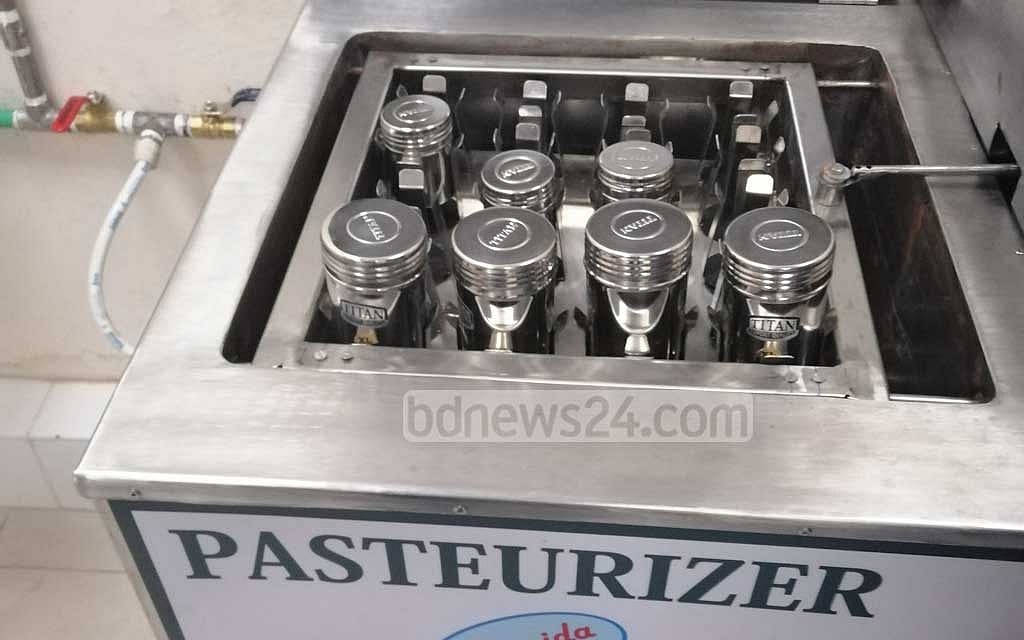
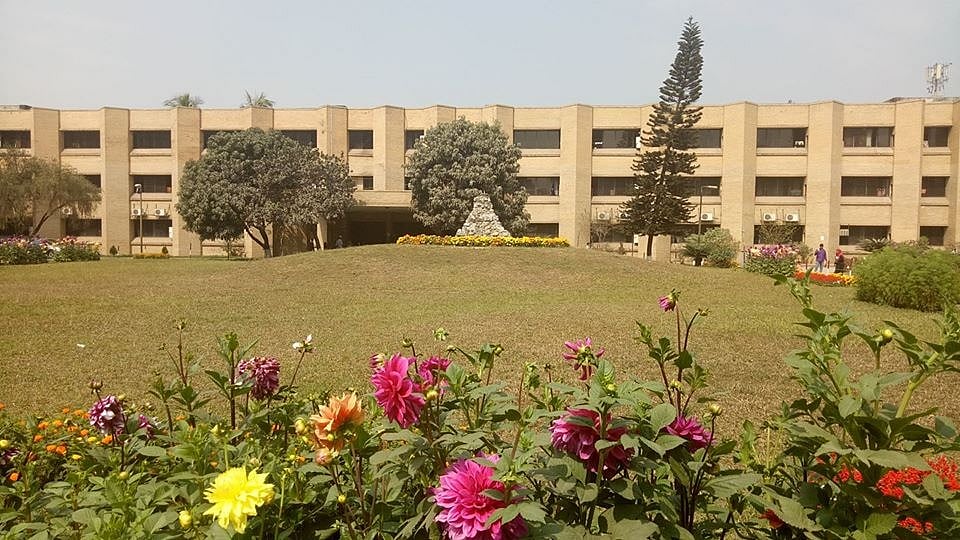
The Institute of Child and Mother Health located in Dhaka’s Matuail, first began work on the milk bank project in 2017. The bank was supposed to open on Dec 1, 2019. The government had even imported modern machinery for use at the institution.
But Islamic scholars came out in opposition to the idea, saying the programme could lead to marriages between two people who have drunk milk from the same woman, which is forbidden in Islam.
They even sent a legal notice, saying the initiative could lead to legal and religious complications.
There is, however, some disagreement between Islamic scholars about whether religious concerns could be addressed. Some believe not, while others think the situation could be resolved through discussion.
Amid the controversy, Project Coordinator Dr Mojibur Rahman sent a letter to the director general of the Islamic Foundation on Aug 30, 2019 asking for the organisation’s expert religious opinion.
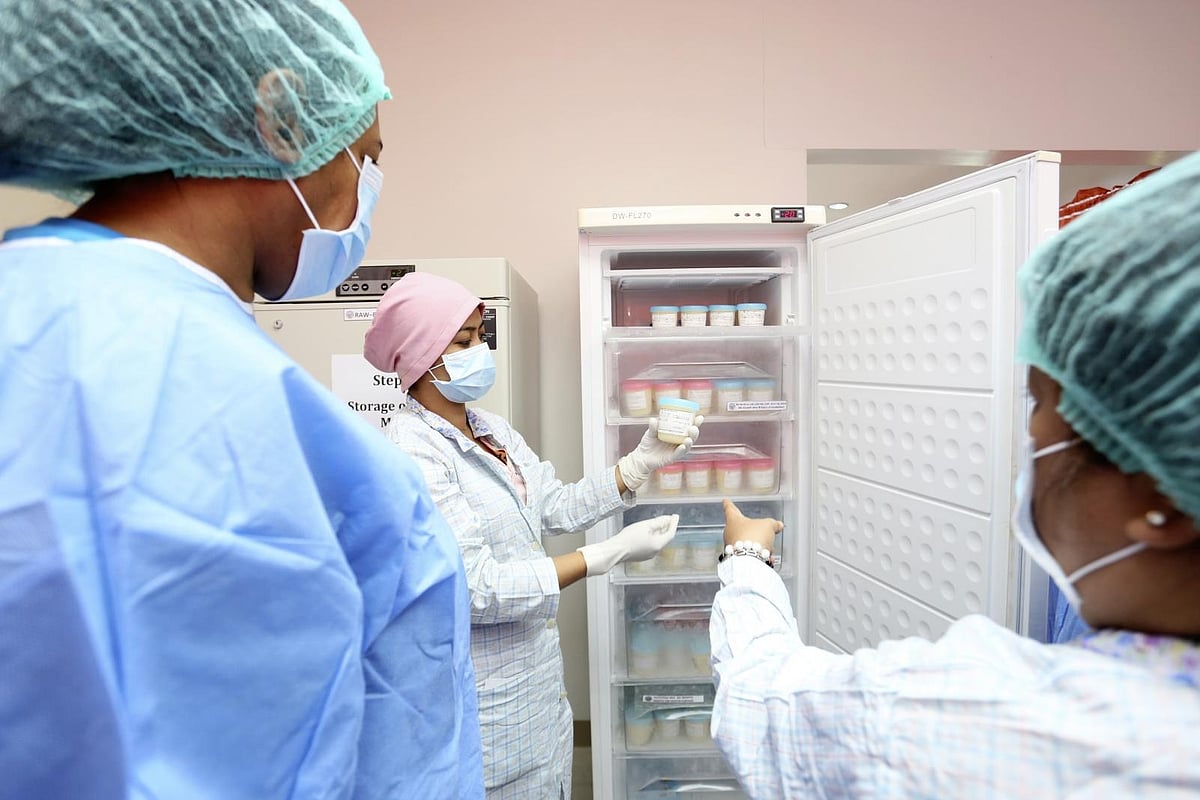
The letter highlighted the benefits of human milk for infants. It also said the institution would take care to ensure that milk from a woman with a male child would only go to other boys, while milk from a woman with a female child would only go to other girls. This way, there was no risk of a boy and a girl receiving the same woman’s milk from the bank.
The information of both the woman donating milk and the infant receiving it would be entered to the organisation’s registry on paper and on the computer, the letter continued. The donors and recipients would also receive information cards from the organisation, so that it could track which child received milk from which donor.
But, despite the passing of two years, there has been no response to the letter.
The human milk bank project has been left hanging as the Islamic Foundation has not offered its opinion on the matter, Dr Mojibur Rahman, who is also an expert on milk banks and mother and child health, told bdnews24.com.
“The Islamic Foundation will certify that the project is halal,” he said. “At one point, the foundation had taken a positive view on the issue. But then the director general of the Islamic Foundation died and the secretary assigned to it was replaced. The director general of health services has also changed. So, there have been many causes for the delay.”
The Islamic Foundation’s Mufti Mohammad Abdullah confirmed to bdnews24.com that the agency had not made a decision on the formation of the milk bank since receiving the letter.
“We have yet to make a decision. As this is a national issue, the decision cannot be unilateral. But we cannot approve the process they have described. That is where it stands.”
It was pointed out to the official that many Muslim-majority countries have milk banks, to which he responded: “That does not concern us. Now, I have no more time to speak on this issue. I am busy.”
Islamic Foundation Director General Mushfiqur Rahman told bdnews24.com that he would discuss the matter with Mufti Abdullah.
“I had not heard about the letter,” he said. “Now that you have informed me, I will make enquiries.”
Md Faridul Haque Khan, the state minister for religious affairs, told bdnews24.com that he was not aware of the issue either, but that he would look into it.
“I’ll have to check on the situation and see,” he said. “I need to understand the whole thing. I was not (in my current position) at the time, so I cannot speak on the matter.”
Human milk contains substances which help babies fight viruses and bacteria and protects them from pneumonia and septicaemia. These substances cannot be synthesised.
In particular, human milk can protect the gut from rupturing, a potentially life-threatening condition called necrotising enterocolitis.
Breast milk also has unique fats that help the immature eye, brain, and nervous system to develop better for improved sight and intellect.
Every day nearly 8,000 children are born in Bangladesh, 152 of whom die in infancy, says Dr Rezaul Karim Kazal of the Bangabandhu Sheikh Mujib Medical University Department of Obstetrics and Gynecology, citing research. And about 173 in 100,000 women die in childbirth.
The human milk bank may be a positive development for infants who have no mothers or have mothers who cannot give milk due to health issues, he said.
“It isn’t right for the milk bank initiative to stall out because of concerns that the women donating milk and the children receiving it cannot be identified later.”
“We are living in a digital age. It isn’t hard to identify people. Every mother has a voter ID card. It shouldn’t be difficult to have a database of which women donated milk to which child. And so, we need to create a milk bank for babies who need breast milk by adopting a scientific approach to this digital system.”












