Published : 10 Oct 2026, 12:54 AM
Updated : 10 Oct 2026, 01:45 AM


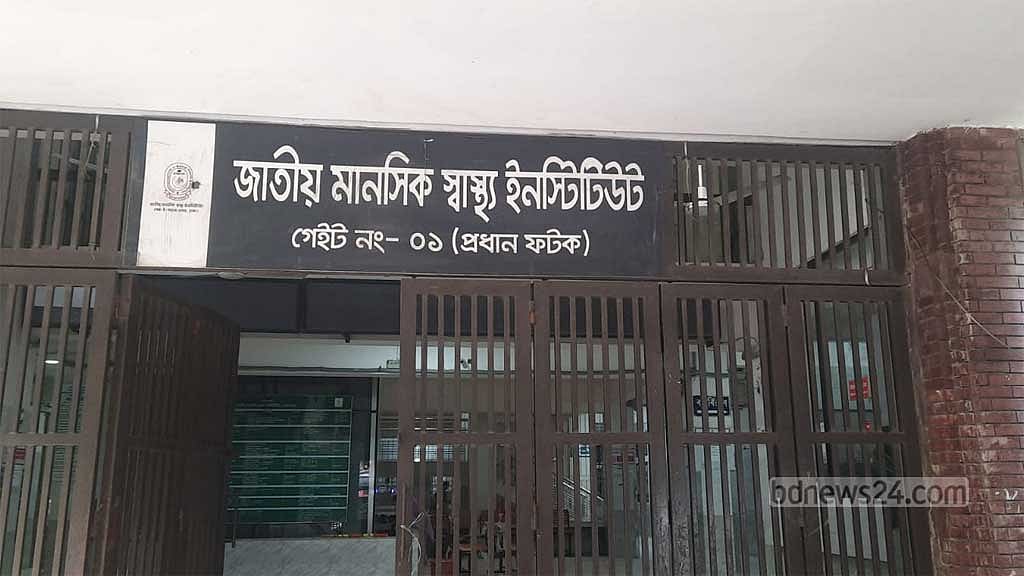
People of all ages come to the National Institute of Mental Health and Hospital in Dhaka’s Shyamoli for treatment.
Some have been living with mental health issues for years, others have undergone sudden changes after sustaining head injuries in accidents, and in many cases it is their families who are struggling to cope with the behavioural changes.
On Tuesday, Abdul Jalil brought his son Sumon Mia to the hospital from Narayanganj.
Jalil said his son had sustained a serious head injury in an autorickshaw accident 22 years ago. Since then, his memory and cognitive abilities had altered significantly.
Sumon was living at home for a long time, but he suddenly went missing. Following an extensive search, the family found him a few months ago.
Jalil said: “After the accident, we sought traditional treatment from a practitioner of traditional medicine. But my son lost his memory. He hardly speaks. He would also become violent with us for different reasons.
“From 2004 on, we kept him chained up at home. Then, in 2014, he ran away. After an extended search, we found him a few months ago at the Satrasta intersection in Dhaka.”
Describing his son's current condition, Jalil said: “His condition was very bad. We bathed him and, a few days ago, found out about this hospital and brought him here.
“He is supposed to be admitted today. Let's see what happens after he gets treatment.”
Sumon's family’s experience illustrates the prolonged hardship that can come with caring for someone with a mental health condition. In such circumstances, relatives must not only arrange treatment but also look after the patient, ensure they take their medication, and take them to hospital when necessary.
On Wednesday, Hatem Ali brought his wife to the hospital from Shariatpur. Although she has been receiving treatment for several years, he has recently found it increasingly difficult to get her to take her medication and eat.
Hatem told bdnews24.com, “The problem first emerged around seven or eight years ago. Before this, giving her medication was enough to keep her stable for a long time.
“But, for the past few months, it has become difficult to get her to take her medicine, or eat. I took her to Labaid for another consultation. They advised us a few days ago to have her admitted to the National Institute of Mental Health and Hospital.”
Hatem said he wanted to bring a female relative to help care for his wife in hospital but could not arrange it because the relative who could have helped was busy with agricultural work at home.
Ramiza Begum brought her daughter Ramiha to the hospital on Wednesday.
She said that a few years after her married, Ramiha had become suspicious of her husband. The problem gradually worsened.
Ramiza said: “She [Ramiha] suddenly grows angry and starts breaking whatever she can get her hands on. She had to stay in this hospital for 15 days in March.
“Once she returned to normal, I took her home. But, over the past few days, the problem has re-emerged so I have brought her to see a doctor.”
Ramiza said that although her daughter had completed her graduation, her longstanding condition was preventing her from leading a normal life.
Raofun Naher, an assistant professor in the Department of Educational and Counselling Psychology at Dhaka University, said that when a family member has a mental health condition, it can affect the other members of the household.
“When one member of a family experiences mental health problems, it can create challenges not only for that person but also for the lives of other family members. Caring for them can lead to prolonged psychological stress, anxiety or depression among relatives.
“The situation can be particularly difficult for children growing up in such an environment. Adults who have been caring for someone with a mental health condition for a long time may also experience a deterioration in their own mental health.”
She, however, said, having a family member with a mental health condition does not mean that others in the family will necessarily develop the same condition. Genetic predisposition, environmental factors and individual experiences can combine to create a risk.
Most Do Not Have Access to Healthcare
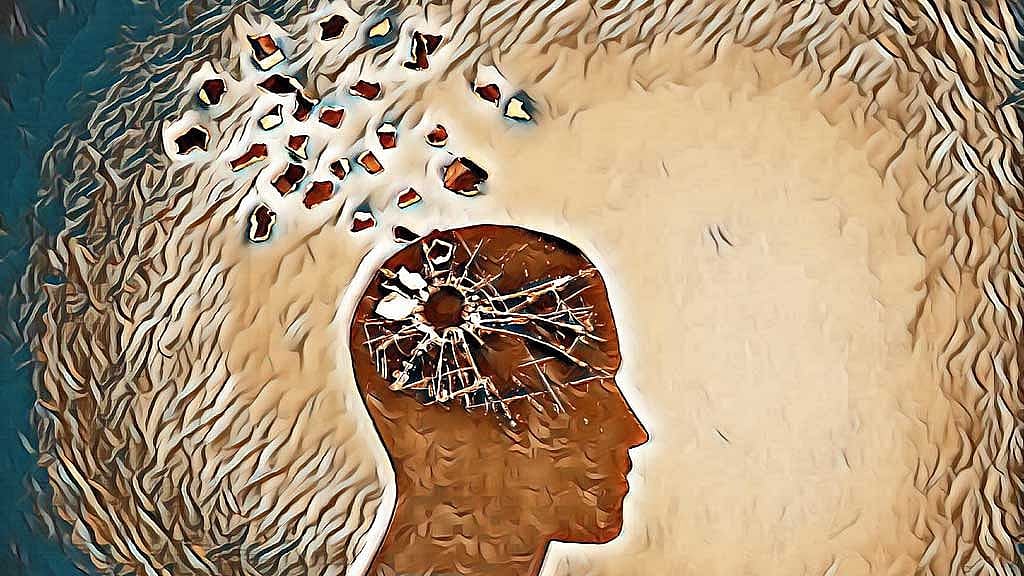
Beyond those seeking hospital care for mental health issues, the situation at the national level is also concerning. A large percentage of people living with mental health conditions in Bangladesh remain without the treatment and support they need.
According to the National Mental Health Survey 2018–19, published in 2021, 18.7 percent of adults were living with some form of mental health condition. The prevalence was 21.5 percent among women and 15.7 percent among men. The rate was 18.7 percent in urban areas and 18.9 percent in rural areas.
Mental health conditions affect children and adolescents as well as adults. The survey found that 12.6 percent of those aged between 7 and 17 had some form of mental health condition.
Meanwhile, 28.1 percent of people aged over 60 were living with a mental health condition at the time of the survey.
Among adults, the survey found that 6.7 percent had depressive disorders, 4.7 percent had anxiety disorders, 2.3 percent had mental disorders associated with physical symptoms, and 1.5 percent had schizophrenia spectrum disorders or bipolar disorder.
A further 0.7 percent had obsessive-compulsive disorder.

Among children and adolescents aged between 7 and 17, the prevalence of neurodevelopmental disorders was 5.9 percent. In addition, 4.5 percent had anxiety disorders, 1.9 percent had disorders associated with behavioural problems, 0.6 percent had sleep-related disorders and 0.4 percent had depressive disorders.
According to the full report, 92.3 percent of adults and 94.3 percent of children and adolescents with mental health conditions were not receiving treatment.
The figures point to a substantial gap between the prevalence of mental health conditions and access to care. Identifying these conditions is only part of the challenge; ensuring that people can obtain treatment and support is another.
Recent research also points to limited access to professional care. A study published in June in the Journal of Affective Disorders analysed data from 7,270 adults in Bangladesh.
The study found that 5.2 percent of adults had depressive disorders. Of these, 3.9 percent had major depression and 1.3 percent had persistent depression.
The risk of depression was higher among people aged over 60, women, those with lower levels of education and the unemployed. It was also higher among people who were divorced, separated from their spouses or widowed.
The study found that only 4.1 percent of people experiencing depression had sought professional help.
Depression is not always limited to feeling down or losing interest in activities. For many people, it can also involve headaches, bodily pain or other physical symptoms.
The national survey’s findings, together with recent research showing that few people with depression seek professional help, point to significant gaps in the country’s mental healthcare system.
Shortage of Specialists
One of the main reasons for these gaps is a shortage of trained professionals needed to provide mental healthcare.
According to figures published by the World Health Organization in 2020, Bangladesh had around 260 psychiatrists, or 0.16 per 100,000 people.
The country also had 700 nurses specialising in mental healthcare, or 0.4 per 100,000 people, and 565 psychologists, equivalent to 0.34 per 100,000.
Almost all these specialists are based in major cities. General nurses trained in mental health only provide services at two government hospitals: the National Institute of Mental Health and Hospital and Pabna Mental Hospital. However, neither institution has specialist mental health nurses.
Saifun Nahar, director of the National Institute of Mental Health, said: “The biggest challenge currently facing the institute is the shortage of staff. We need more doctors, nurses and other healthcare workers.
“We have submitted proposals to the government to increase staffing, and there has been progress towards creating some new posts. However, implementing these measures through government procedures takes time.”
She said that, alongside its six main departments, the institute had several support departments. However, not all of them were yet operating at full capacity. There were plans to expand services such as telepsychiatry, interventional psychiatry and occupational therapy.
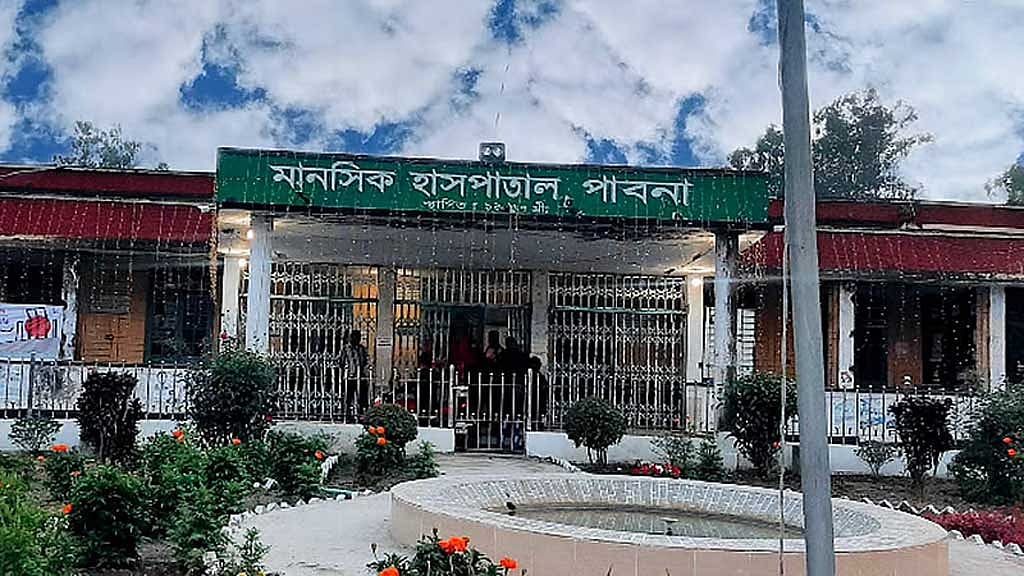
“This requires not only more staff, but also infrastructure and space.”
The National Institute of Mental Health and Hospital has a total of 400 beds, of which 240 are free of charge and 160 are paid. A hospital official said the bed occupancy rate among inpatients was generally 85 percent or higher.
According to Director Nahar, public awareness of mental health has increased over the past five to 10 years. As a result, more people are coming to the hospital for treatment than before.
“People now have a better understanding than they used to that mental health problems require treatment, and they are coming to hospital to seek care.”
However, although public awareness has increased, the capacity to meet the growing demand has not kept pace.
The Need for Integrated Treatment
Counselling psychologist Raofun believes that the idea that mental health conditions always require long-term medication is only partly true.
She said some conditions may require medication over an extended period to keep a patient's condition stable. For other problems, a limited course of treatment, counselling or psychotherapy may be sufficient. The appropriate approach depends on the nature and severity of the condition and the individual's circumstances.
“For someone who needs medication, not taking it can be dangerous. Conversely, if someone who does not need medication continues taking it of their own accord, that can also be harmful.”
Advising people against taking sleeping pills or other psychiatric medication on their own, Raofun said coordinated treatment involving psychiatrists and psychologists was important when needed. If medication is required alongside counselling, the person is referred to the relevant medical specialist.
Depending on the patient’s condition, treatment may include psychotherapy, counselling and other forms of support alongside medication.
Kamal Uddin Ahmed Chowdhury, a professor in the Department of Clinical Psychology at Dhaka University, said: “Mental illness and mental health problems are two different things. Mental illness is a form of mental health problem, but it would be wrong to describe everyone experiencing mental health problems as mentally ill. Mental health problems can take different forms and occur at different levels of severity.”
He said people could experience psychological distress for many reasons, including being unable to find a job, suffering loss in business, losing employment, failing an examination or experiencing sexual abuse. Such circumstances may call for mental health support, but they do not necessarily indicate a mental illness.
Prof Kamal said: “Both mental health problems and mental illnesses require a multidisciplinary approach to treatment. We call this a multidisciplinary team.”
Such teams include psychiatrists, psychologists, clinical and counselling psychologists, psychosocial counsellors, clinical social workers and trained nurses, all of whom play important roles.
According to him, the effectiveness of treatment depends to a large extent on how well these professionals work together. It is not possible to treat every type of mental health problem with medication alone.
“Similarly, counselling or psychotherapy alone is not sufficient for some serious mental illnesses. The type of treatment or mental health support a person needs must be determined through an assessment by specialists.”
Nahar also said providing comprehensive care to a patient required various forms of therapy, including psychotherapy, counselling and occupational therapy.
“This requires not only psychiatrists but also clinical psychologists, occupational therapists, speech therapists and professionals from other disciplines.”
However, the shortage of these professionals is also limiting opportunities for integrated treatment.
Lack of Understanding
Prof Kamal considers a lack of understanding about mental illness to be another major barrier to seeking treatment.
He said, “There is a substantial lack of public awareness about mental health. Many people do not know the difference between a mental illness and an ordinary or temporary psychological problem.”
Kamal said that, in many cases, instead of taking someone with a mental health condition to a doctor, people assumed that the person had been possessed by spirits or supernatural forces. They then relied on harmful or ineffective practices such as exorcism rituals, water over which prayers had been recited, or traditional remedies administered by traditional healers.
“Just as people seek medical attention promptly when they have diabetes, someone with a serious mental illness such as schizophrenia also needs to receive treatment. Many people, however, lack this understanding.”
Raofun said awareness of mental health remained limited in Bangladesh. In rural areas in particular, mental health problems were often attributed to possession by spirits or supernatural forces.
“As a result, some people turn to traditional healers or rely on practices such as using water over which prayers have been recited instead of consulting a doctor. At the same time, people experiencing mental health problems are labelled ‘mad’ and socially humiliated.”
She said: “This largely stems from a lack of awareness about mental health. We can describe it as a lack of emotional literacy or mental health literacy.”
However, the counselling psychologist said interest in mental health was growing in urban areas, with many people now getting in touch to seek counselling.
Even after sharing their problems with people close to them, they increasingly recognise the need for professional help if they cannot find a solution, she said.
“People are now beginning to understand that mental health needs care just as physical health does. Mental illnesses can occur just like physical illnesses, and, in many cases, they can be managed or cured with appropriate treatment.”
The Challenge of Extending Services
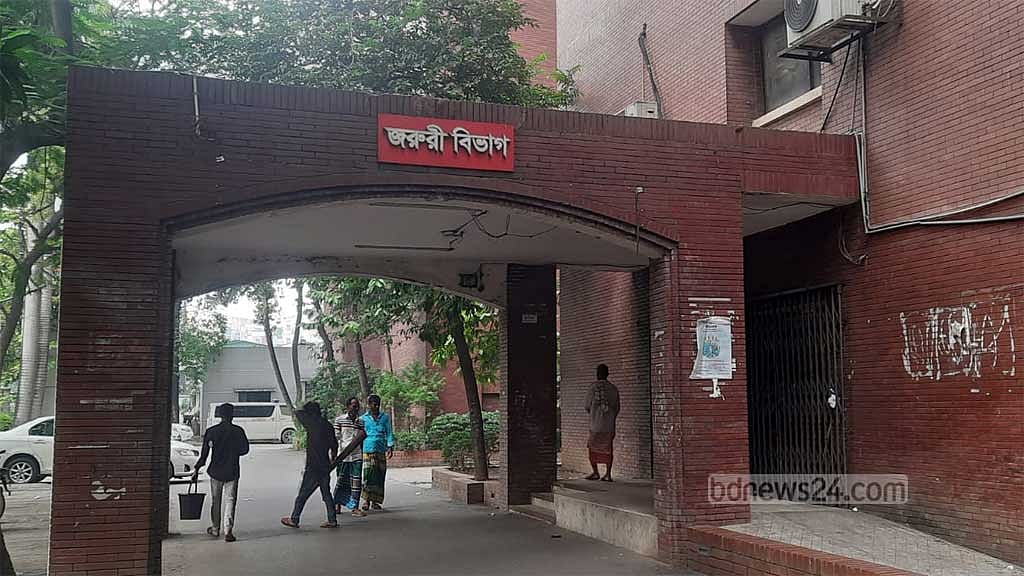
Prof Kamal believes the shortage of mental healthcare services is particularly acute outside the capital.
He said, “Even when people learn that mental illnesses can be treated, they are often unable to access care because there are not enough doctors and psychologists.
“If someone develops a mental health problem at the district or Upazila level in Bangladesh, they have to go to the district hospital. If the necessary doctors or other professionals are not available there, they have to travel to Dhaka. This is time-consuming and expensive for patients.”
As a result, many people face difficulties accessing treatment even after learning about mental illness. The shortage of specialists forces patients and their relatives to travel to the capital for care.
Against this backdrop, the National Institute of Mental Health and Hospital is prioritising the expansion of telepsychiatry services.
Its Director Nahar said, “We currently provide telepsychiatry services through several units.
“Our plan is to expand these services and extend them to different parts of the country, including union-level administrative areas.”
She said this would make it possible to provide care in areas where specialists were in short supply.
Naher added that work was also under way to integrate mental healthcare into primary healthcare, alongside initiatives focusing on maternal mental health, the mental health of children and adolescents, and school-based mental health services.
Psychologist Raofun believes it is essential to increase the number of professionals trained in mental healthcare.
She said: “We need more mental health professionals, including both psychiatrists and psychologists. This message needs to reach policymakers.”
Call for Community-Level Mental Health Workers
Acknowledging that the existing workforce cannot possibly meet the mental healthcare needs of the country's vast population, Prof Kamal has called for the training of mental health workers at community level.
He said: “The government needs to take the initiative to develop community mental health workers. This is because it takes at least eight to 10 years to train a psychologist or psychiatrist.
“Even over the coming years, the existing workforce will not be able to meet the country's mental healthcare needs.”
In his view, these community-level workers would provide basic psychosocial support, raise awareness of mental health, visit households to share information and help identify conditions at an early stage. They would also refer people who need specialist treatment to the appropriate professionals.
Kamal believes the expansion of mental healthcare should not be limited to treating people after they develop an illness. Prevention must also be a priority.
“It is therefore extremely important for the government to expand mental health services at community level and take effective preventive measures now.”
Raofun believes that listening attentively to others and trying to understand their feelings are important for protecting mental health.
She said that, alongside joyful events, people's lives also bring accidents, failures and unexpected circumstances. During such difficult times, people need someone to talk to.
Raofun said: “I want someone who will listen to me and understand me. Someone with whom I will feel safe and be able to speak openly.”
The counselling psychology lecturer said this empathy should not be confined to mental health professionals. Family members, friends and acquaintances can also offer support by listening to others sincerely.
“Even if you are not a mental health specialist, you can try to understand what another person is going through, how they feel and what they need. If you feel that they cannot manage the problem on their own, you can encourage them to seek professional help.”
Although various non-governmental organisations provide mental health services, many depend on funding from international donor agencies. This limits their ability to expand services nationwide or sustain them over the long term.
Prof Kamal believes there is no substitute for long-term government initiatives in these circumstances.
He said that, alongside the Ministry of Health, the Ministry of Social Welfare, the Department of Social Services, the Ministry of Women and Children Affairs, the Ministry of Education and other relevant bodies must take coordinated responsibility.
“The government must take specific measures to ensure that mental healthcare can reach people even with a limited workforce.”