Credit: facebook
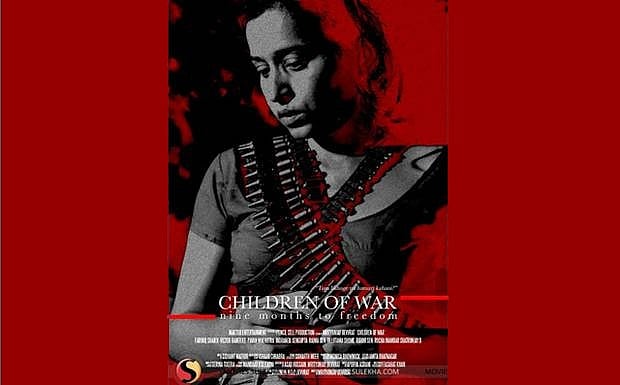
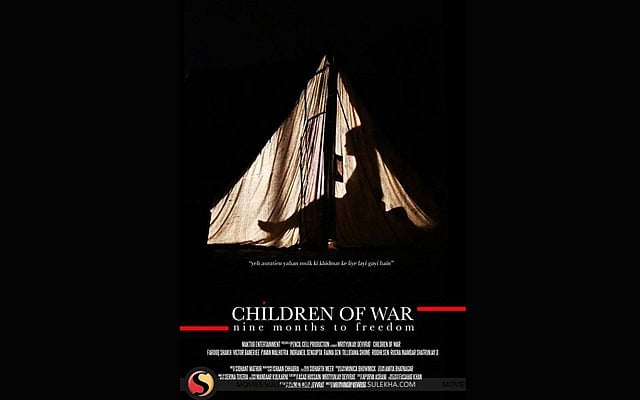
Not after ‘Children of War: Nine Months to Freedom’, which brings alive the human face of Bangladesh’s Liberation War.
The film by first-time director Mritunjay Devvrat opens with a real footage of Indira Gandhi tackling a foreign journalist.
The future is poignantly reflected in a comment by the demonic Pakistani Capt Malik who is finally captured by freedom fighters.
His captors tell him that Bangladesh, once born, will uproot all those who tried to kill it.
“The world will stop you,” says Malik. “Hitler didn’t have US as a friend.”
The ‘Butcher of Bengal’ Gen Tikka Khan’s drive to ravage Bangladesh (then East Pakistan) and wipe out unarmed Bengalis rings across the film.
Local collaborators led by Jamaat-e-Islami duly figure in the narrative -- those who believed in Pakistan and committed rape and murder on their people for the sake of an idea that had clearly lost out.
The film hit off in Bangladesh with a premiere at Dhaka’s Star Cineplex on May 16.
It is now being screened in 12 halls, eight in Dhaka and one each in Rajshahi, Sylhet, Joydebpur and Tangail.
Narayan Saha, a buying house employee, said he came to see the movie simply because it was about 1971.
He says he didn’t bring his children because some scenes might be too brutal.
“It’s good, all these things did happen,” he said, with a lump in his throat.
But questions have been raised about the quality of the Bangla dubbing, as it is nowhere near the way Bangladeshis actually speak.
“I found today that even though we use the same language in India and Bangladesh, the meaning and feeling could be very different,” says Tasmiah Afrin Mou, a young film-maker after sitting through the film.
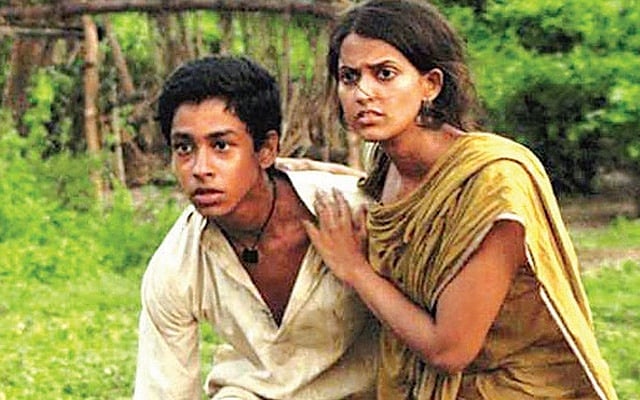
She says captive ‘Bithika’, played by Tillotama Shome, might have been inspired by Kakon Bibi, a Birangana who was a spy for Mukti Bahini who stole ammunition from Pak camps and fought in many battles.
“I think I recognised her because I already knew about her, others will have no idea. But the part where she steals ammunition is so amateur that you will almost think there were no soldiers guarding the weapons silo.’
“The characters talk like the ‘Bangals’ we see in West Bengal soap operas,” she wrote on Facebook. “There are no varieties in their expressions ... we definitely do not talk like that!”
Many more have expressed anger saying the dialect sounded very artificial, crude and inconsistent.
Nazmun Nahar Rony, an advocate by profession, says the film’s title and reviews in the papers drew her to the film at Jamuna Future Park’s Blockbuster.
When asked if it touched her, she answered: “Not necessarily. But it did put me in stress, because every time I see these I get stressed and think why our problems aren’t resolved yet.”
“But Indians have no reason to politicise these, it’s our problem ...”
Irtiza Miraj was equally scathing, if not more.
He did not like the elated expression ‘Rafik’, a child freedom fighter, wore when he saw the Indian flag at Charhati, when he reached there with his sister ‘Gaosor’ after surviving a terrifying trail of death.
“I’ll praise the movie for its style and technique. But it does not reflect real Bangladesh. I didn’t like the story, the movie Guerilla is much better. There is more to Liberation War than rapes.”
His wife Nazia Islam Jisha also was far from impressed with the movie for its geographical inaccuracies, “It’s said the Pakistani camp in the movie is in Dhaka but there are large hills in the background!’
But an official for Star Cineplex where the movie was premiered said they were getting excellent feedbacks.
“We had housefuls last weekend. The kind of people who come to watch our films are usually learned and sensible,” said Mejbauddin Ahmed.
“Sometimes people leave the hall when movies have brutal scenes but no one has walked out yet.”
Romin Rayhan, manager at Blockbuster Cinemas, said the turnout was better than expected and took pride in making ‘something alternative’ available for customers.
“I saw it too, Bangladeshi film makers should make movies like this,” he said.
Sudipto Das, a partner in Khan Brothers, the film’s distributor in Bangladesh, said the hype was great when the movie opened but ticket sales have slowed a bit since then.
Senjuti Shonima Nadi, who reviewed the film for bdnews24.com, said: “I’ll forgive all errors just for the song Roktoito... it’s so powerful and the accompanying montage of the genocide’s historic photographs was recreated with such care, it touched me very deeply.”
The film’s maker deserves to be praised for his gut-wrenching portrayals of the lives, trapped in what is repeatedly termed by the captured women as ‘Jahannam’ or hell, all for the cause of Pakistan.
The sorrowful narratives are sometimes imbued with life, ghosts and enduring love for the cause of a nation’s freedom.
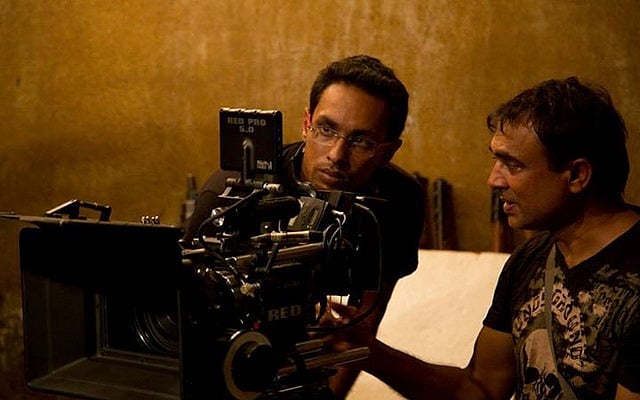
Devvrat told ETC Bollywood Business that he learned the history of Bangladesh first from Memoirs of Mujib and was surprised that he didn’t read about it in textbooks or see it being told through a movie.
It was being hidden and it needed to come out because the brutalities even beat those witnessed during the Holocaust, Devvrat had said.
Credit: facebook
Together with his wife, Soumia Joshi Devvrat, the producer, ‘both lovers of history’, they researched and found that more horrific tales were lying underneath.
They also spoke to Indian Army officers who fought Bangladesh’s war.
He said he didn’t consider aligning with big corporate firms for fear of creative interference, didn’t send it to festivals because “we didn’t need a white man’s tag”.
“We put our hard-earned money into it to tell the story, we have also had support from family, friends and crowd sourcing.”
“It’s a human story, it just happens to be in Bangladesh, some have told me I did too much over Bangladesh,” said Devvrat.