
Published : 10 Nov 2022, 01:36 AM
Updated : 10 Nov 2022, 10:34 AM


Bangladesh’s deal with the International Monetary Fund for $4.5 billion in loans will help widen the country’s access to credit from other agencies or countries in the midst of a crisis and catalyse reforms in the economy.
The 42-month arrangement includes $3.2 billion under the extended credit facility and $1.3 billion under the Resilience and Sustainability Facility (RSF).
The RSF is expected to catalyse climate financing and reduce balance of payment pressures from import-intensive climate investment, the IMF said in a statement.
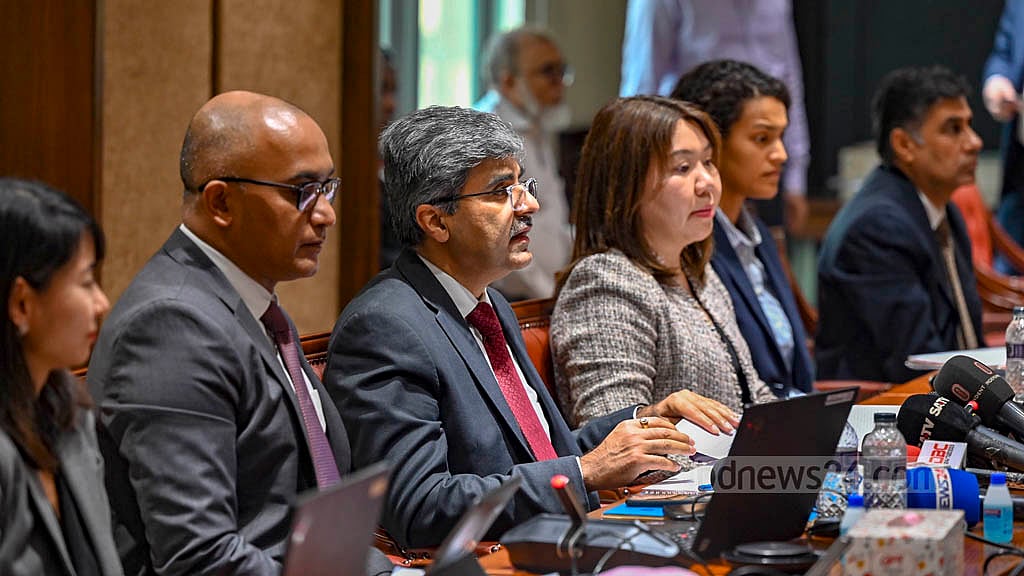
After a meeting with Finance Minister AHM Mustafa Kamal in Dhaka on Wednesday, IMF delegation head Rahul Anand said the RSF will expand the fiscal space to finance climate priorities identified in the authorities’ plans, “including by catalysing other financing, and reducing external pressures from import-intensive climate investment”.
The IMF board is expected to approve the funding soon and Bangladesh expects to receive the first instalment of the loan in February 2023.
Kamal said: “The IMF has checked all our data. If the IMF is with us, if it agrees to lend us, you’ll have to understand that no country will say ‘No’ to us.”
Zahid Hussain, former lead economist at the World Bank’s Dhaka office, also said the IMF loans will be comforting for Bangladesh. “The World Bank, Asian Development Bank and other organisations do not look at macroeconomy if a loan package is secured from such an organisation [as the IMF].”
CONDITIONS
Reserve management, inflation and reforms to ensure good governance in the financial sector were the issues most discussed during the IMF delegation’s Dhaka visit.
“Many feared we would fail to secure the loans because we would not be able to fulfil the conditions. But we’ve secured the loans,” said Kamal.
"We’re going to get the IMF loans as requested. We had already been working on the conditions they [the IMF] talked about," he said.
The finance minister said Bangladesh was already working on amending the Bank Company Act. “There was a delay in implementing the VAT law, but it will be done. The process to form asset management firms is ongoing.”
Zahid said the places for reforms identified by the IMF and the government were not clear yet, but they will be by February.
Ahsan H Mansur, executive director of Policy Research Institute who had worked with the IMF, also said no side made the conditions clear.
“But Bangladesh needed such a loan. At least there will be international supervision of the government’s financial management and overall system.”
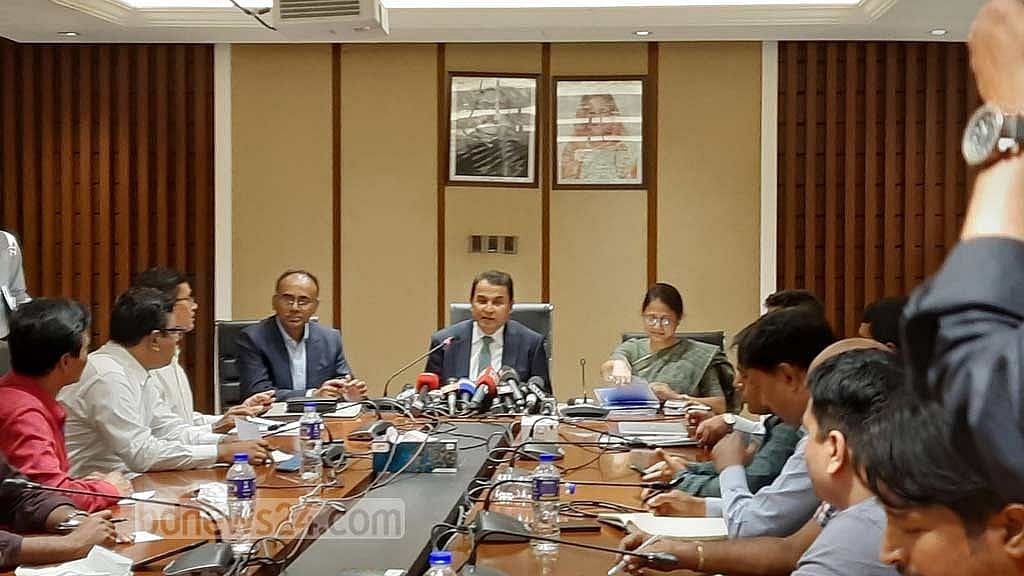
Kamal hinted at keeping the 9 percent cap on banks’ lending rate. “It’s my idea. I own it. No business would be able to survive without this.”
During the talks, the central bank had to explain the method of calculating the foreign exchange reserves to the IMF after the global financial institution questioned the calculation that makes the number appear bigger than under the agency’s latest manual.
On Tuesday, Bangladesh’s dollar reserves stood at $34.28 billion, the lowest in two and half years, according to the central bank.
But in line with the IMF manual, it would be $26.28 billion.
“We calculated the gross reserves while the IMF asked us to show the net,” said Bangladesh Bank Governor Abdur Rouf Talukder. “There’s nothing to hide.”