


Published : 18 Jan 2017, 10:49 PM
Updated : 19 Oct 2022, 03:25 PM


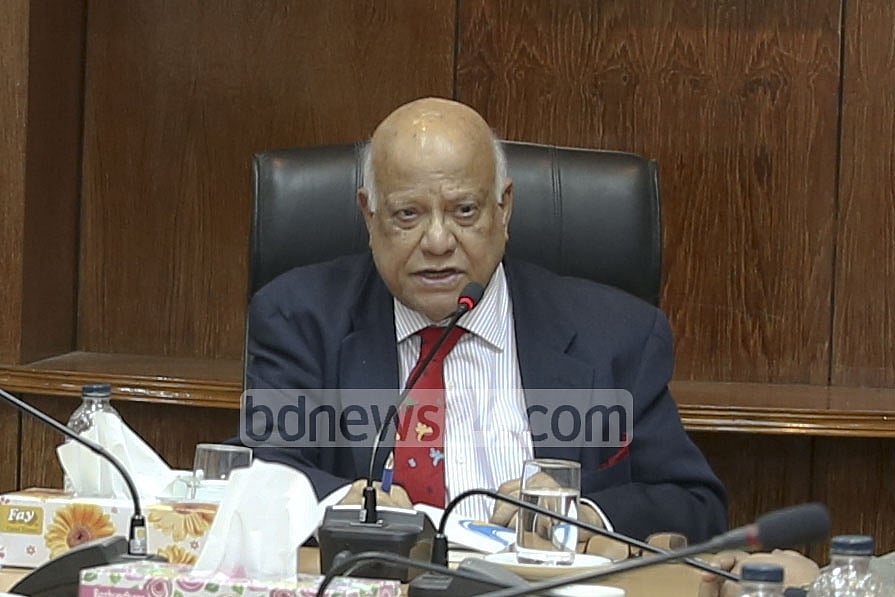
Bipu on Wednesday said a cut is not on the cards anytime soon. But on being prodded by journalists for a response on the issue, Muhith said, “the international price is less. Our price is higher than that.”
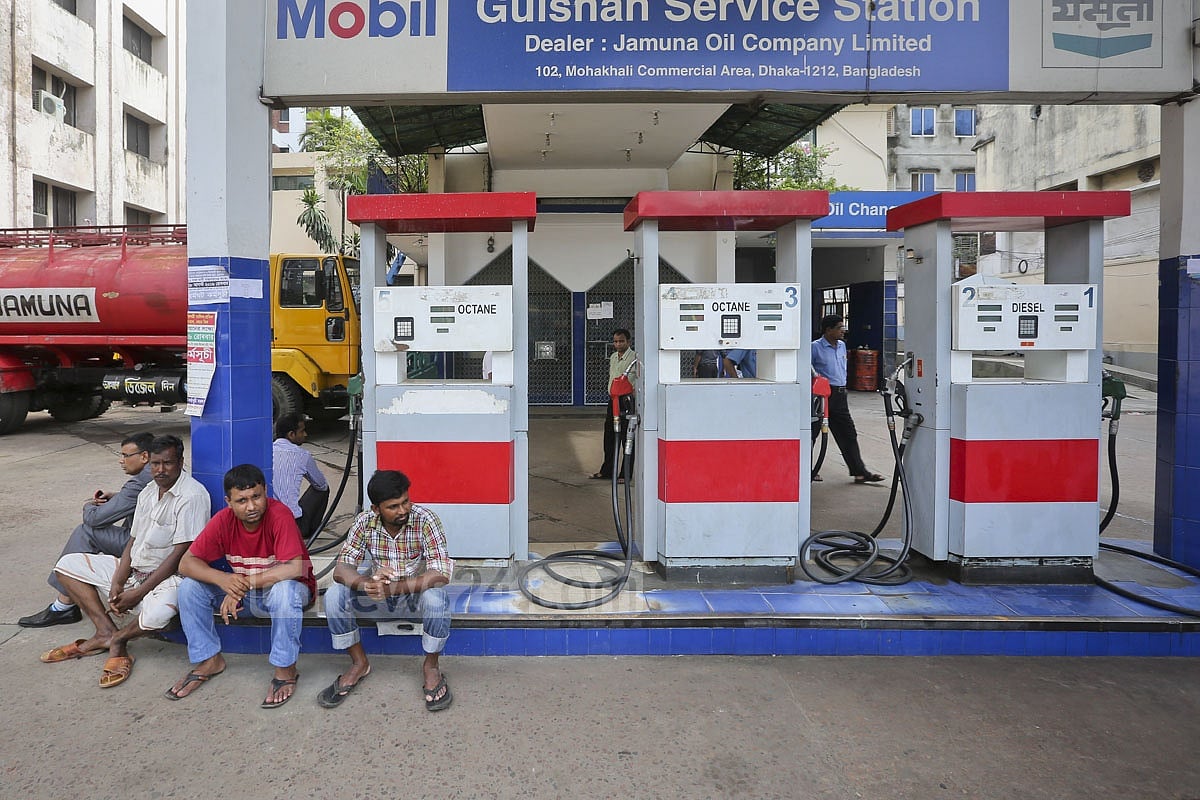
Although global oil prices have been on a downslide since the last two years, the prices of fuel in Bangladesh have been kept proportionately higher to offset subsidy burdens.
From $205 a barrel oil prices slumped to $33 a barrel in 2016.
Yielding to demands from several quarters, the government slashed octane price by 4 percent and petrol price 10 percent in April 2016.
However, the price cut failed to reduce commuter fares and so consumers began to demand a further cut.
The finance minister had also ended the year striking a note of optimism.
On Dec 28, he said the government had in principle decided to go for another round of price adjustment which would come into effect from January 2017 itself.
"It had come down to 40, it has risen again. I think the best price is around 60. It's not a big thing," Muhith had said.
In a bid to arrest the falling price, OPEC recently announced a cut in production of oil leading to international price to hover around $55-60 a barrel for the last few days.
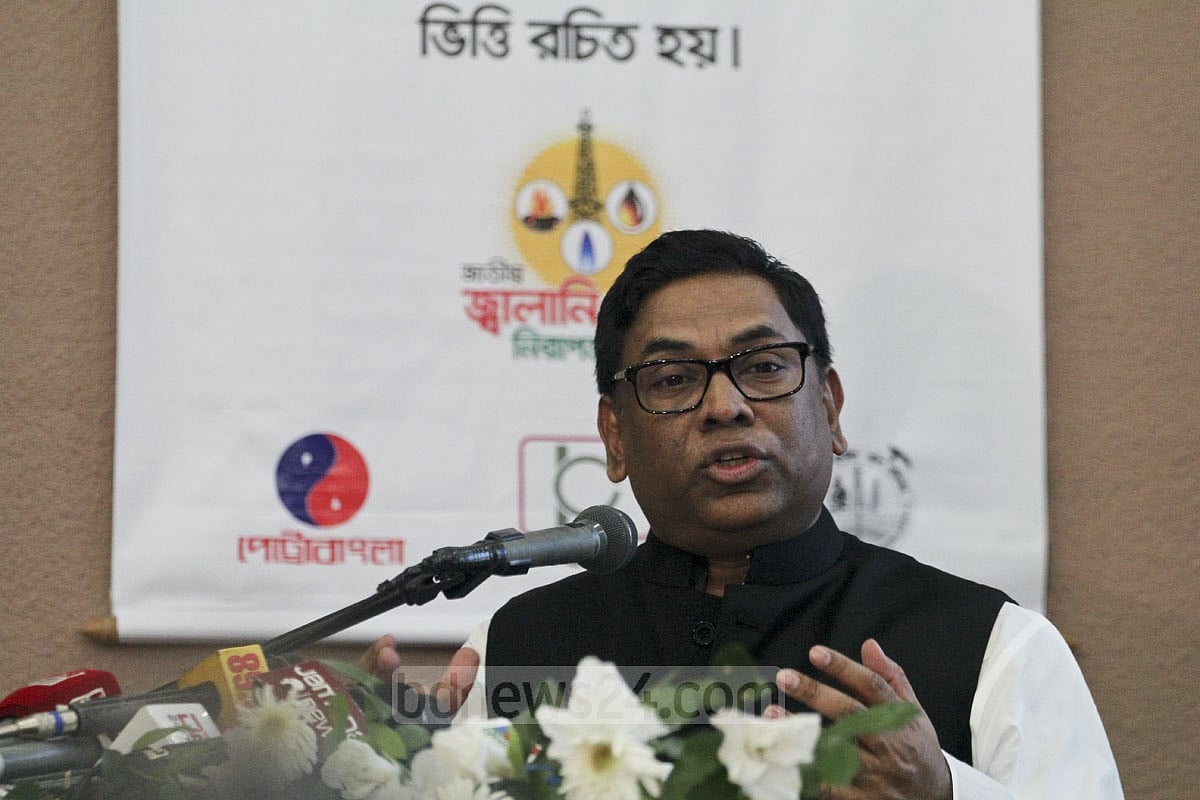
State Minister for Power, Energy and Mineral Resources Nasrul Hamid addresses a programme marking National Fuel Security Day at Petro Centre in Karwan Bazar on Saturday.
On Wednesday, he cited a sudden rise in international prices and a World Bank forecast for further rise to defend the stand that any price adjustment at the moment would not be sensible, despite an earlier request to the government made by his ministry.
Responding to a query on how much profit is made by Bangladesh Petroleum Corporation from diesel, he said the margin of profit from diesel sale was minimal and with poverty alleviation not yet complete, subsidy on it needs to be continued.
He said the big chunk of oil imports comprised jet fuel. Petrol and octane are locally produced now, he said.












