Published : 05 Apr 2016, 07:22 PM
Updated : 19 Oct 2022, 05:12 PM


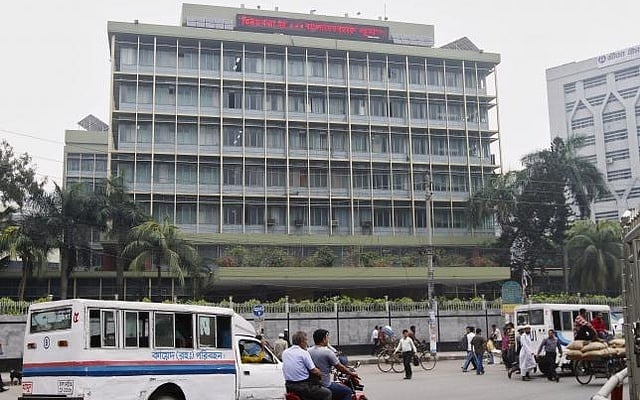


Unidentified hackers stole the money from the Bangladesh Bank's account at the Federal Reserve Bank of New York in early February and funnelled it through a Manila branch of the Rizal Commercial Banking Corp (RCBC) to casinos and gambling agents in the Philippines.
"It would appear they are not Filipino hackers (but) possibly Chinese hackers," said Ralph Recto during a Senate inquiry in the capital Manila. "They saw the vulnerability in the (Philippines) banking system or one bank."
Recto did not give any details on why he thought the hackers were Chinese.
But the Senate was told in a previous session that the money was brought into the Philippines by two Chinese high-rollers, one from Macau and one from Beijing.
The hackers who infiltrated the computer systems of Bangladesh Bank tried to steal $951 million from its account at the New York Fed although most transactions were blocked.
But $81 million was transferred into four RCBC accounts at a single Manila branch, which had each been opened with a $500 deposit and remained inactive for almost a year.
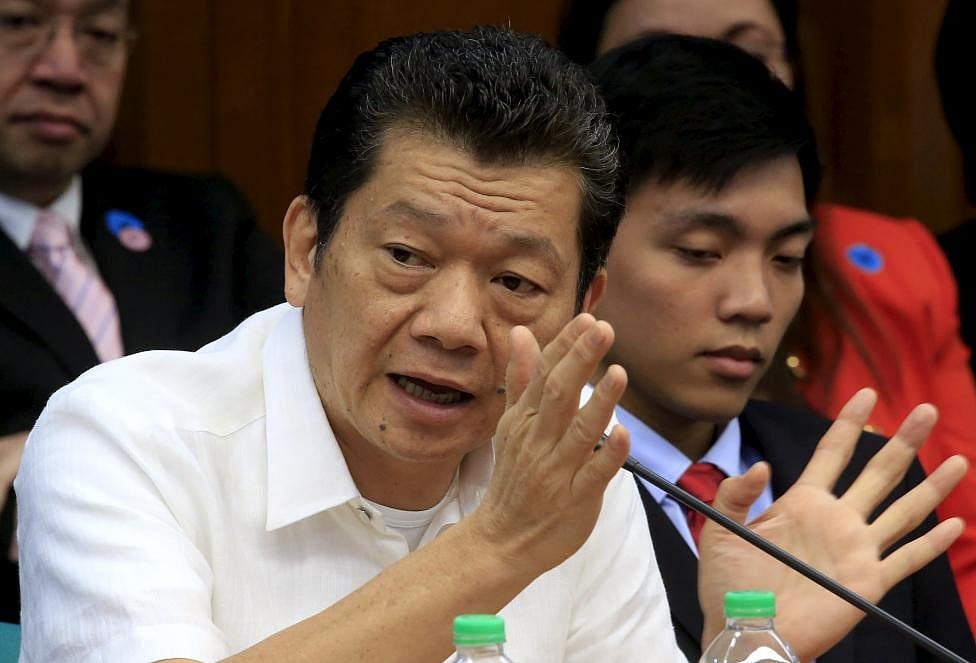
Chinese casino junket operator Kim Wong, gestures as he answers questions during a money laundering hearing at Senate in Manila April 5, 2016. Reuters
Salud Bautista (L), president of PhilRem Service Corporation with his husband Michael, gestures while they answer questions during a money laundering hearing at Senate in Manila April 5, 2016. Reuters
"I am but a pawn in a high-stakes chess game played by giants in international banking and high finance," Maia Santos Deguito, the branch manager, told the senate committee.
"If this committee is looking for the 'grandmaster', it is not me," she said.
Without naming names, Deguito blamed the crime on senior RCBC officials "in cahoots with extremely wealthy businessmen whose far-reaching powers and influence span several countries".
In a previous hearing, RCBC's president and lawyer had pointed the finger at Deguito, saying that even transactions totalling hundreds of millions of dollars could be handled by branch managers without prior approval from head office.
The inquiry has led to the recovery of about $5.5 million from a Chinese casino boss and junket operator called Kim Wong, who received a total of almost $35 million through his casino company and Philrem, the foreign exchange broker.
Wong, who denied any involvement in the heist, promised to pay back another 450 million pesos ($9.7 million) of the stolen money, but said a portion of what he had received had already been spent on gambling chips for clients.
Wong said a further $17 million remained with Philrem, whose husband-and-wife representatives came under fire at Tuesday's inquiry.
Maia Santos Deguito, branch manager of the Rizal Commercial Banking Corp (RCBC), answers questions during a money laundering hearing at Senate in Manila April 5, 2016. Reuters
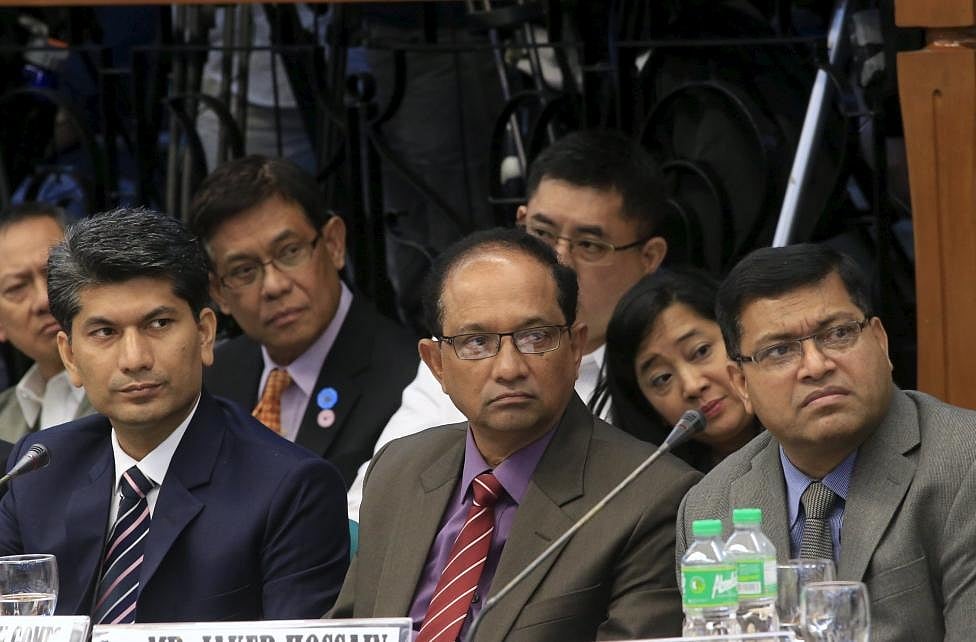
John Gomes (C), Bangladesh ambassador to the Philippines, is flanked by Bangladesh officials as they appear in the money laundering hearing at Senate in Manila April 5, 2016. Reuters
Philrem President Salud Bautista said the suspected Chinese junket operator was paid more than $30 million in six tranches.
But Wong, who said he witnessed four of the transactions, has disputed the sum, saying in a previous Senate session that only about $14 million changed hands.
This led senators to believe Philrem still holds a portion of the unaccounted stolen funds, which its treasurer Michael Bautista denied.
"But we are not keeping money. There is no money with us," he told the inquiry.
Senator Recto, who led the questioning, appeared exasperated by the conflicting testimony. "There seems to be double dealing here. That is how it appears," he said.
The inquiry continues on Apr 12.