


Published : 01 Jun 2015, 08:31 PM
Updated : 19 Oct 2022, 06:47 PM


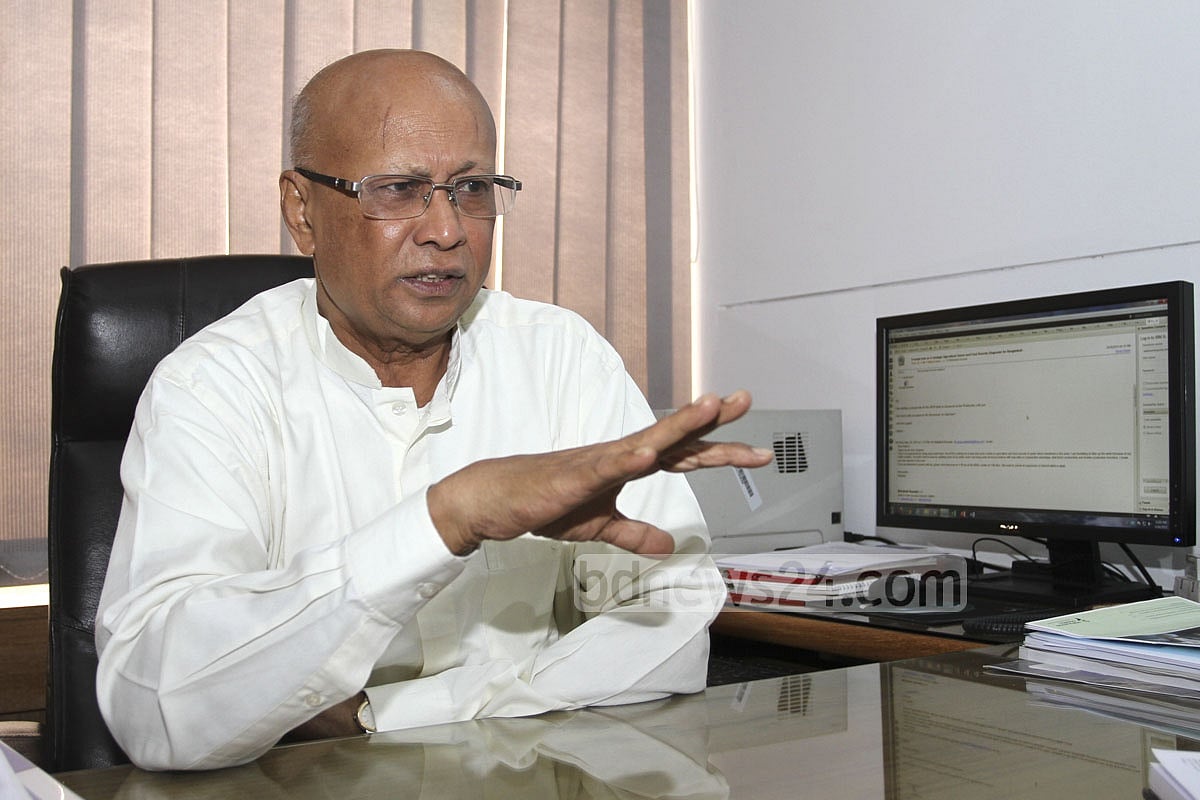
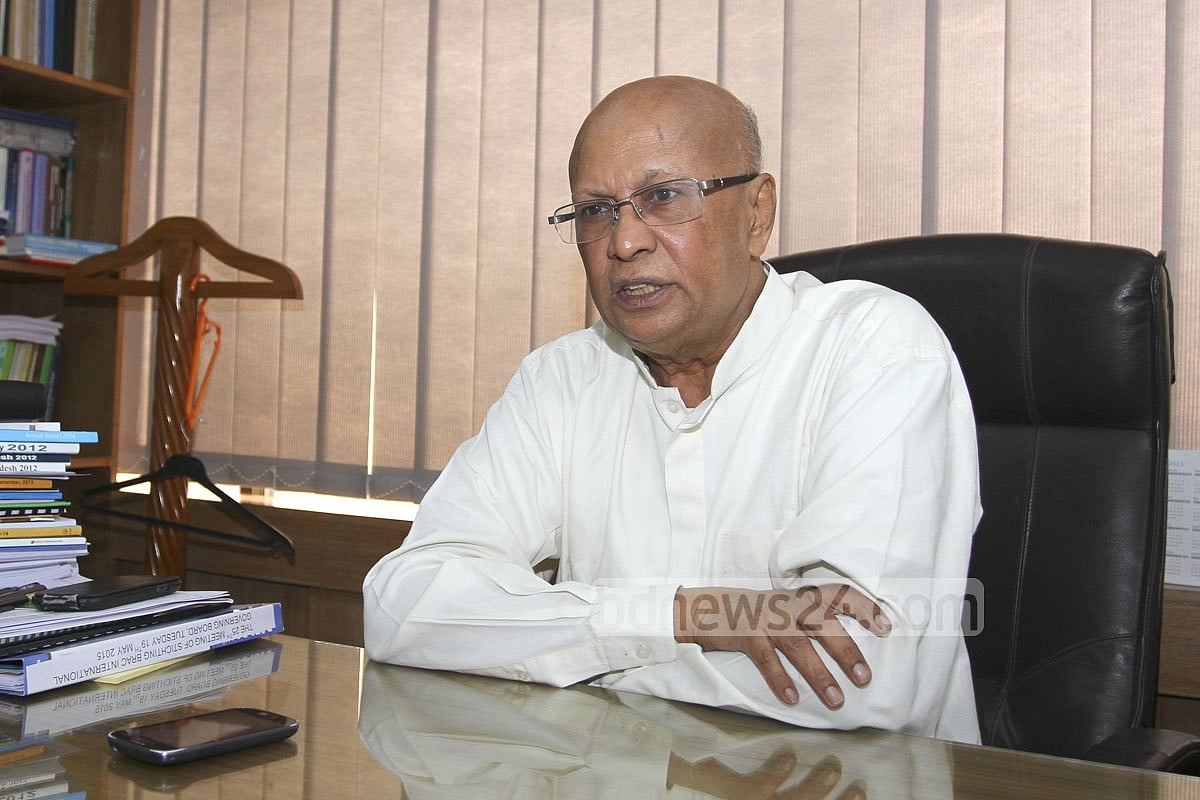
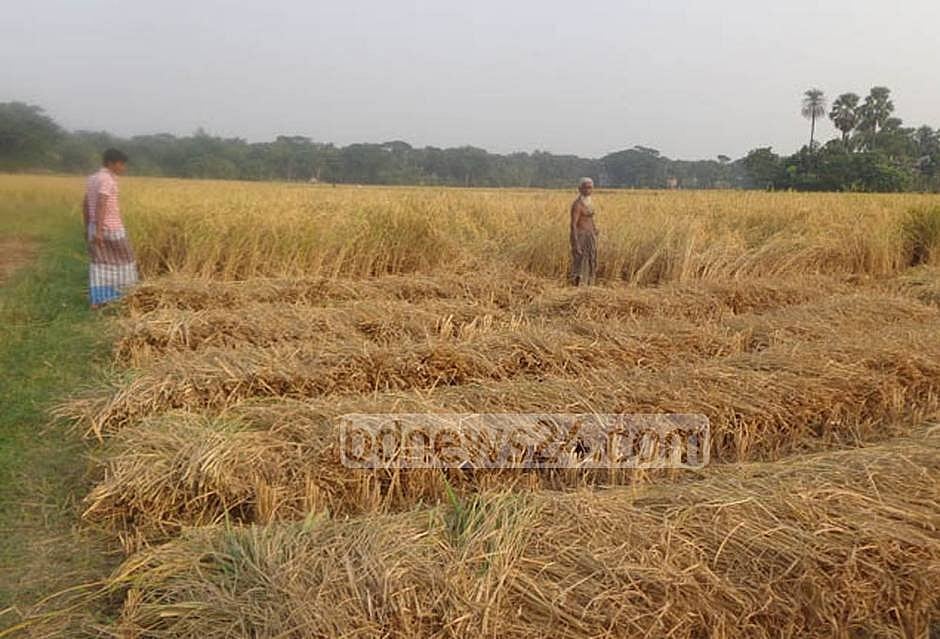
Former director general of the Bangladesh Institute of Development Studies (BIDS) Mahbub Hossain told bdnews24.com in an exclusive pre-budget interview that allocations for this sector had always been inadequate.
“Should we emphasise agriculture, though it does not contribute much to national earnings? We should, because, even now, 47 percent of Bangladesh’s employment is dependent on agriculture.”
He suggested hiking agriculture allocations in the upcoming budget and even investing unused farm subsidies to prop up the sector.
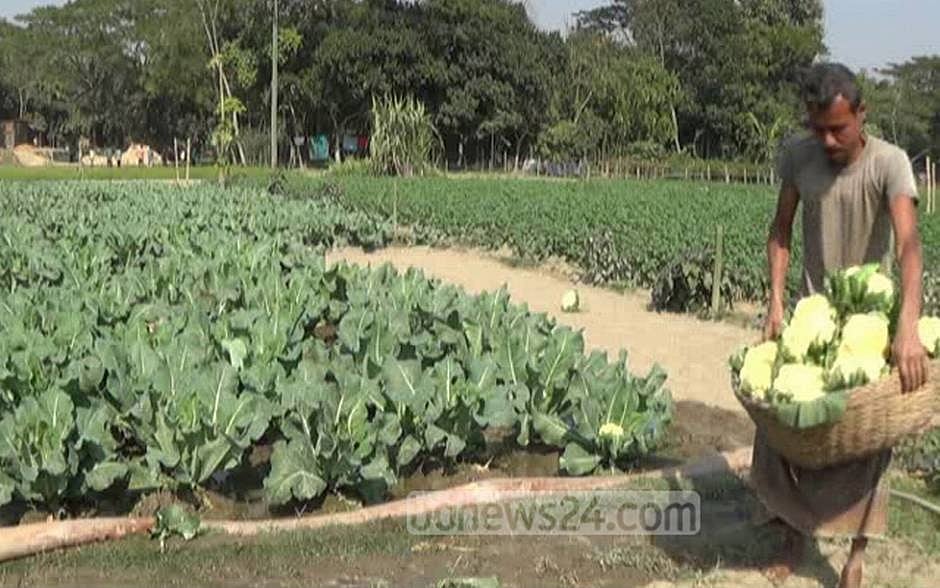
The agri-economist also suggested that agricultural allocations should ‘mainly focus’ on fish farming and rearing of livestock, which, he felt, were attractive and profitable livelihood options.
Hossain, regarded as one of the world’s leading agricultural economists who served for many years at the Manila-based IRRI, reasoned the country’s socio-economic progress had helped raise demands for fishery and livestock products.
“So initiatives must be taken in the budget to raise output to match demand and reduce risks. Allocations and plans must be directed to that end.”
The sector, he felt, would meet nutritional demands, cut poverty through employment generation, and raise the GDP in the process. “It also has a good export potential.”
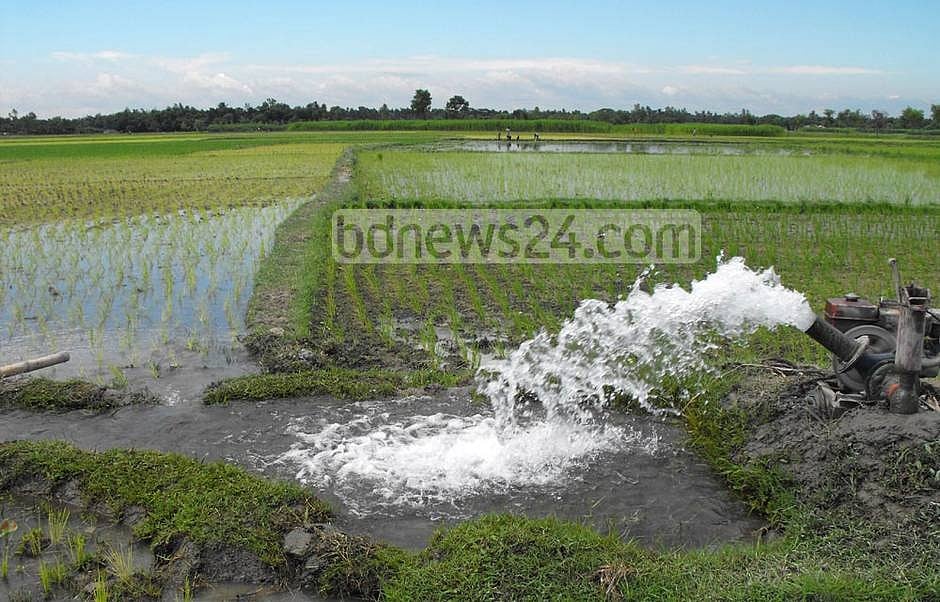
Meanwhile, the TK 90 billion allocated in the 2014-15 FY budget for fertiliser, seeds, and irrigation subsidy remains partly unutilised, as fuel and fertiliser prices fell in the international market.
Hossain, who was a former chair of social sciences at the International Rice Research Institute in the Philippines, advocated the ploughing back of excess subsidies for agricultural development, defusing middleman domination in agricultural marketing, improving storage facilities, and offering remunerative prices.
In the immediate post-liberation period, agricultural earnings accounted for 40 percent of the national income. Currently, it is a mere 18 percent, and the budgetary allocation for the ongoing fiscal is 5.68 percent.
However, the former BIDS chief thinks the situation is not entirely disheartening, considering that a similar trend is evident even in countries flaunting stronger economies.
“Food costs do not go up that much even if earnings increase. Poor people spend a large share of their income on food. But those who earn more spend bigger sums on industrial or service-related products instead of food.”
“Paddy production was high this year. But farmers are not getting remunerative prices. So there will be a cut back in cultivation next year. With such market systems, it is not possible to maintain sustainable development in any sector.”
Hossain said it was time the government broke free of its traditional thinking that only encouraged the subsidising of the sector and think of ways to help the country’s 150 million farmers.
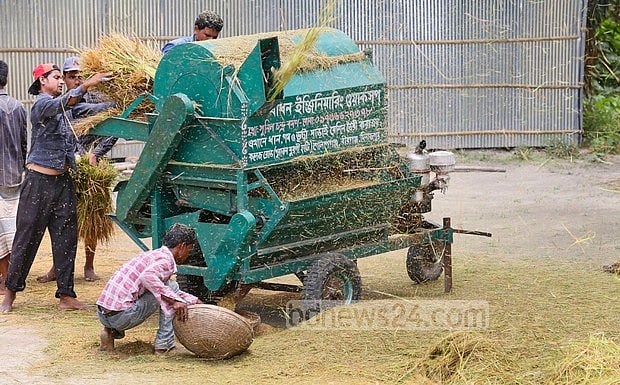
The agri-economist made plea for greater mechanisation, skill development, invention of vaccines, and care for livestock.












