Published : 09 Jan 2023, 08:21 PM
Updated : 09 Jan 2023, 08:21 PM


State Minister for Power, Energy and Mineral Resources Nasrul Hamid has said the government is working on a policy to adjust gas and power prices with the global market every month as soon as the parliament greenlights the revised Bangladesh Energy Regulatory Commission Act.
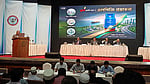
Speaking at the Bidyut Bhaban on Monday, he said Bangladesh would adjust the prices amid “special circumstances”.
Currently, distribution agencies and companies have to apply to the BERC when they want to alter the prices of gas and electricity. The commission then assesses the appeal and holds a public hearing to set prices.
The BERC held one such hearing on retail power prices on Sunday when the technical committee of the energy regulator recommended raising retail electricity prices by 15.43 percent to Tk 8.23 from Tk 7.13 per unit on a weighted average.
“The BERC held the hearing with consumers, retailers and power companies. They are taking the decision, not the ministry. But I think BERC will raise the prices to a tolerable level.”
Meanwhile, an ordinance to change energy prices, giving the government the powers to lower or raise the prices of electricity and fuel directly along with BERC in ‘special circumstances’ has been promulgated. The matter was raised in parliament on Thursday as per the rules.
Nasrul said the rule allows the government to adjust the prices “in particular cases.”
“We are going to revise the law so that the prices can be adjusted every month. Our neighbouring country (India) also adjusts energy and electricity prices regularly.”
“You can see an economic decline taking place worldwide. Fuel prices have skyrocketed. We’ve already adjusted electricity prices at the production level. Now we wait to see what BERC does at the retail level.”
Nasrul mentioned that Bangladesh kept the fuel price from soaring too high in line with the global market by using subsidies.
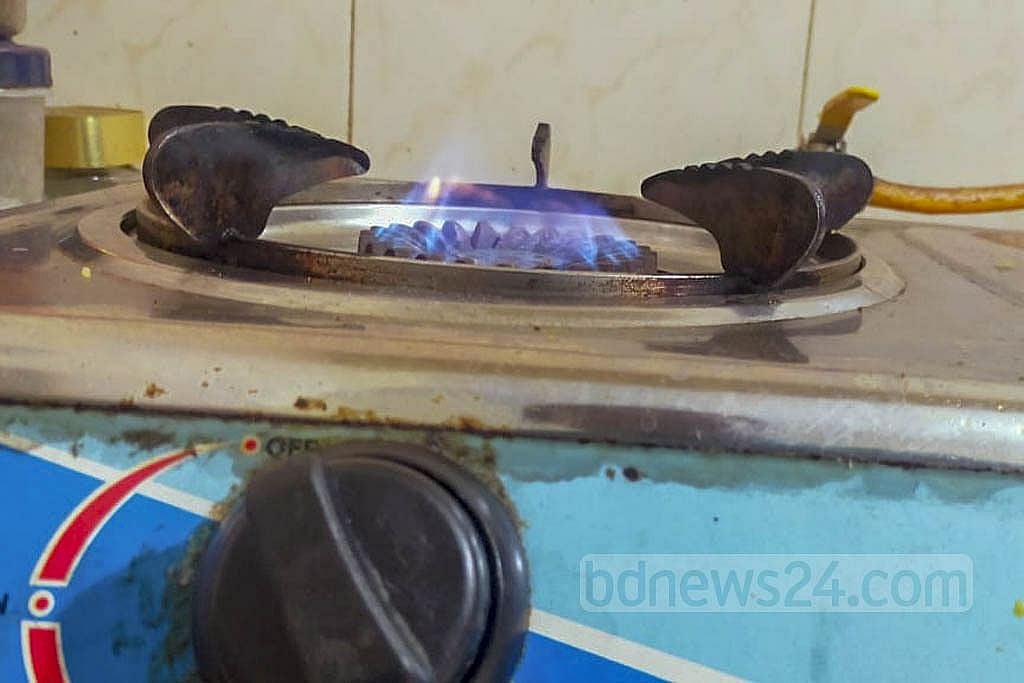
“The government might provide some subsidies. But it won’t be much. In India, gas costs more than Tk 32 for every unit and it’s Tk 12 in Bangladesh. We are providing subsidies here.”
On Sunday, the Consumers Association of Bangladesh pointed out that controlling the firms’ avoidable expenses would help ease the distribution cost.
Nasrul said the coalition regime of the BNP and Jamaat-e-Islami had presided over 22 percent systems loss, which has dropped to around 7 percent now.
“Where is the waste happening then? It’s occurring at the consumer level. Many people keep their power switches, air conditioners on all day. We need to keep track of these things.”