Published : 22 Jul 2023, 01:33 AM
Updated : 22 Jul 2023, 01:40 AM


Shahrukh had never known the taste of ice cream and farmer Manjur Alam had been charging his mobile phone by burning oil.
But, for the past few months, the people of the island Upazila (sub-district) on the Bay of Bengal in Cox’s Bazar have received power through a submarine cable connected to the national grid. Though it has been a fairly short time since then, the lives of Shahrukh, Manjur, and others on the island have changed dramatically.
An operation theatre has been set up at the local hospital. Pregnant women don’t have to brave the rough sea for their deliveries. If there are any complications, the hospital is now equipped to carry out Caesarean sections.
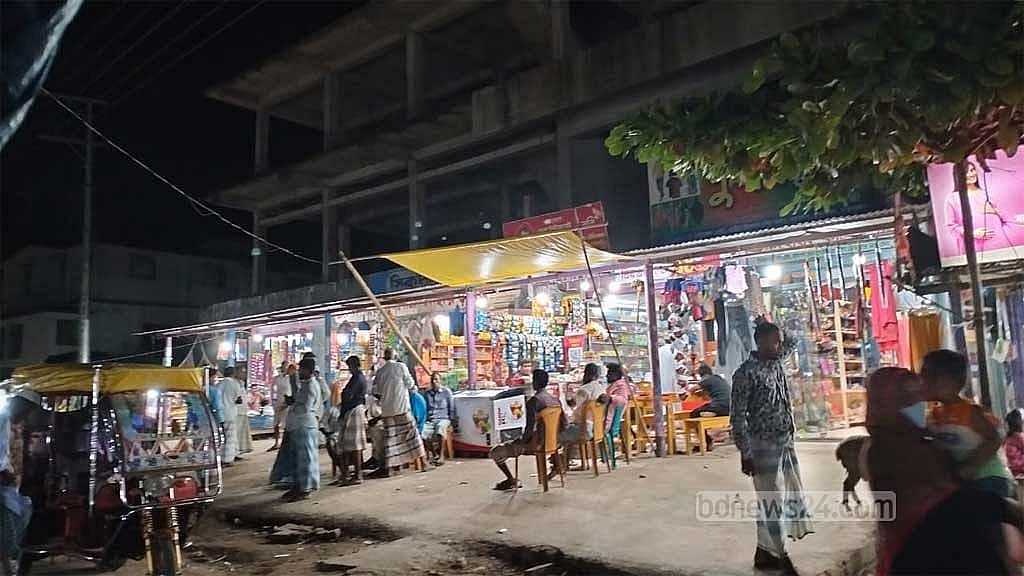
Streetlights have ended the days of stumbling along the road after dark. The light illuminates the way home for any nocturnal travellers. Locals are safer and can now work and study in the evening.
On an island that went to sleep after the sunset, the chat keeps people up late into the night. A store is now selling refrigerators, which means that people don’t have to go to the market every day and can save some time and money.
A community dependent on farming and fishing now has a variety of professions. Commerce is on the rise. New stores are popping up. Approval has been sought to set up fishing-based industries.
Mobile phones, which were previously difficult to charge, are now available 24 hours a day, easing communication.
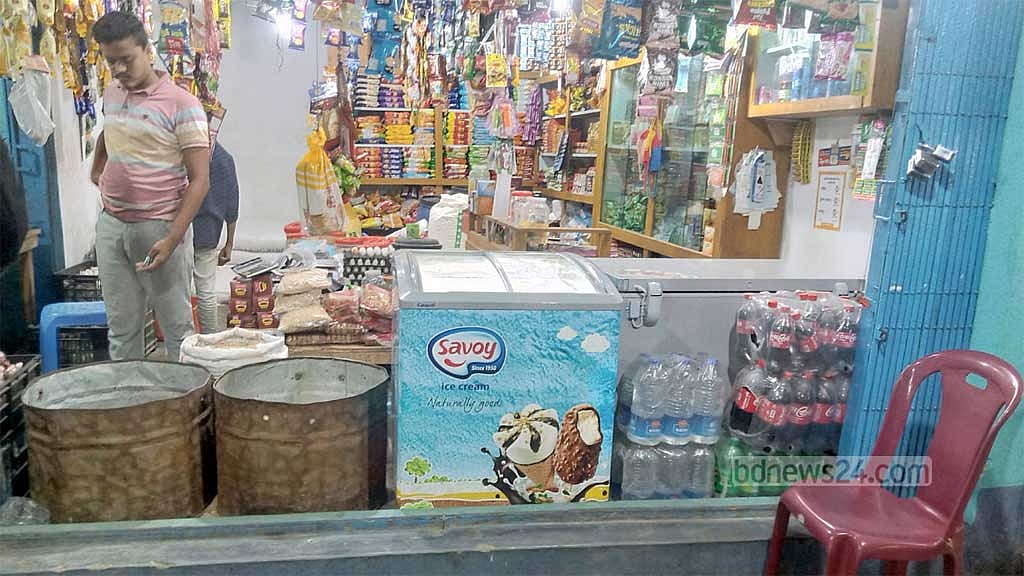
And the children of the island can now experience the joy of tasting ice cream. The delicious treat is available in stores for the first time, and it has grown quite popular because of its novelty. Two local traders say their businesses have turned around with ice cream sales.
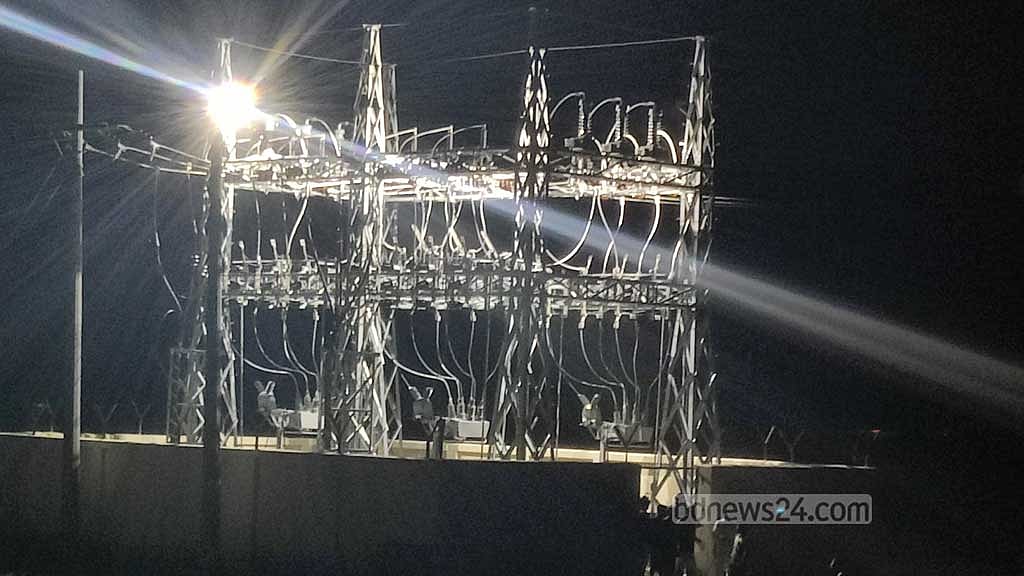
Electricity has lit up roads, ports, and houses in the Upazila.
To bring power to 100 percent of the country, the ‘Hatiya Dwip, Nijhum Dwip and Kutubdia Dwip 100% Reliable and Sustainable Electrification’ project was undertaken in 2020 at a cost of about Tk 4 billion. The project was due to finish this June.
Submarine cables were used because the island, isolated from the mainland, could not be connected using normal power lines. But, after 52 years of independence, the people of the island Upazila were able to get electricity from the national grid.
HOW MUCH HAS LIFE CHANGED?
Though Kutubdia Island is an upazila in the Cox’s Bazar district, it is easier to get there from Chattogram.
A bus from Chattogram’s Bahaddarhat goes to Magnama Pier through Chakaria. From there it takes 45 minutes by engine boat to reach Kutubdia. If you take a risk on a speedboat, it takes 15 minutes.
Launches from Chattogram also go directly to Kutubdia, but the trip is three hours longer and the launch only makes one trip a day.

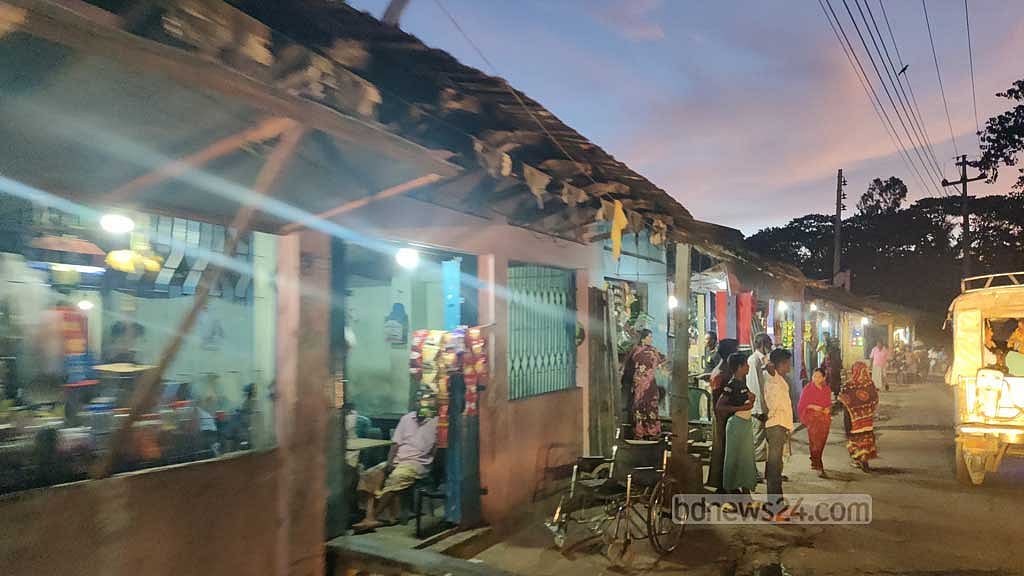
Bargahop Bazar in the upazila’s centre is the beating heart of Kutubdia.
Nurul Kalam, who drives a car in the area, said that power lines have been connected to his house, but the connection is not available yet. Still, he is extremely happy.
“Twenty years ago, we got solar power. But no one thought we would actually get power lines. Since 2014 they have told us that it is coming. In the end, I’ll even be able to turn on the lights in my house.”
Farmer Manjur Alam said, “I used oil to power a generator and charge my mobile phone. If I didn’t have oil, I would go home and charge it using solar power. But now I get electricity at home.”
Last month, the power was turned on at the home of Bazl Karim, 64, in the Ars Sikdar neighbourhood.
“Before this I used solar energy to power my lights. Now we cook rice with a rice cooker. I bought a refrigerator. I can store sea fish and eat it.”
Asked what changes have come with the electricity, Dipankar Tangchonga, the upazila’s executive officer, said, “There is a new boisterousness among the people that wasn’t there before.”
“We have two stores selling refrigerators. Land prices have gone up. People are interested in setting up small-scale industry. People here are seeking approval to set up fishing and ice industries.”
“It was unthinkable that Kutubdia would get power,” said Zillur Karim, a trader from the upazila’s Baraghop Bazar. “But since the night of Apr 12, we have had electricity. I think factories and industries will develop here, as they did in Chattogram city.”
THE JOY OF ICE CREAM
Asked what benefits the new electricity had brought to Kutubdia, Md Shahrukh, a student in ninth grade at Kutubdia Adarsha High School, spoke about ice cream.
Shahrukh has never crossed the sea to the Bangladesh mainland.
“I’ve never been on the other side,” he said. “As Kutubdia didn’t have electricity, they wouldn’t bring ice cream. I was always interested in trying it. When the electricity first came, I went to the store and had my first ice cream. Now I get it regularly.”
Md Aziz Mia has a grocery shop in Baraghop Bazar. He sells rice, flour, and other necessities. He had a deep freezer that would keep things cool for about six hours. He used it to sell soft drinks. Now the freezer is stuffed with ice cream. Aziz says he does booming business.
“I have sold ice cream for three months,” he said. “On that first day I sold about Tk 17,000’s worth. Now I still sell about Tk 7,000-8,000 a day.”
“I used to run my deep freezer with a generator and sell Speed, Tiger, Coca-Cola, and 7-Up because I only had enough power to run it for six hours. If I started at 6 pm, it would stay on until 11 pm or 12 am. Now I have power 24 hours a day. My fortunes have turned around by selling ice cream.”
HOW WILL POWER BE PROVIDED?
About 200,000 people live on the 215.80 sq km island that makes up Kutubdia Upazila and its six unions.
From the 1980s, generators were set up to provide power for 600 customers in the area for a few hours every evening. But, in 1991, when a cyclone tore down the power lines, the project came to a halt. Since then, the Power Development Board has provided electricity to the area on a small scale for a limited time.
A 33 kV line with a crossing has now been set up from Moheshkhali’s Matarbari to Magnama Pier. From there, a 5 km double-circuit submarine fibre optic line was connected to Kutubdia.
A two-kilometre distribution line was constructed in Kutubdia to provide electricity at the consumer level.
Md Riazul Haque, executive engineer of the Chakaria Power Development Board and engineer for the Kutubdia Residential Project Office, said, “Before this, generators would provide four to five hours of electricity from 6 pm to 11 pm. Now people have uninterrupted electricity 24 hours a day.”
But not all the homes are connected yet. Currently, lines have been set up for 3,000 homes and institutes. Another 700 applications have been received. New homes are getting electricity every day.
The Power Development Board official said that all six unions will have access to electricity within five to six months.
[Writing in English by Shoumik Hassin]