Published : 25 Nov 2026, 03:31 PM
Updated : 25 Nov 2026, 03:31 PM


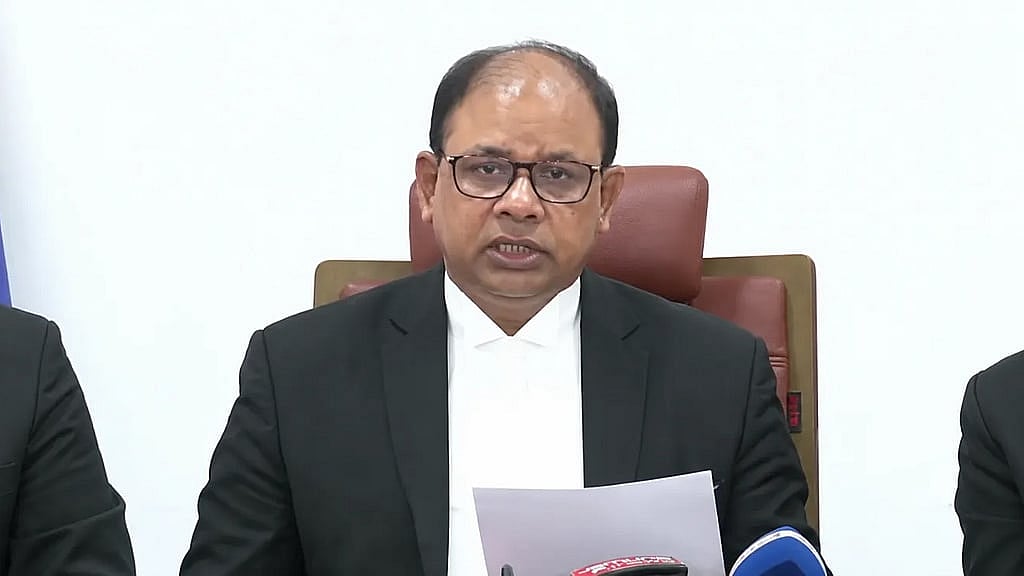
Individuals, organisations or institutions providing shelter or protection to those accused of crimes against humanity may face separate prosecution under the Penal Code, International Crimes Tribunal (ICT) Chief Prosecutor Md Aminul Islam has said.
Asked on Wednesday whether the investigation would examine how Sheikh Hasina and several political leaders managed to leave Bangladesh after Aug 5, 2024, he said the tribunal can prosecute crimes, but it is unclear how far the law lets it investigate how the perpetrators fled.
“We will have to examine that,” he added.
On the legal consequences for those harbouring individuals accused of crimes against humanity, he said: “If any individual or institution provides shelter and protection to a criminal, it is a personal liability of that individual or organisation providing such shelter and protection.
“There is a clear offence under the Bangladesh Penal Code for this. It can be treated as a separate offence, and those who harbour or provide protection to the accused or perpetrators can face a separate trial.”
Country-wide Public Hearings; Letters Sent to Political Parties, Administration
The ICT prosecution is set to hold public hearings across the country to identify incidents of crimes against humanity, including enforced disappearances, killings, abductions, extrajudicial killings and political persecution allegedly committed during the Awami League government's tenure from 2009 to Aug 5, 2024.
On Nov 25, the Chief Prosecutor's Office sent letters to relevant government offices, including the home secretary, law secretary, inspector general of police and the coordinator of the tribunal's investigation agency.
Letters were also sent to senior leaders of the BNP, Jamaat-e-Islami, National Citizen Party (NCP), Amar Bangladesh (AB) Party and Gono Odhikar Parishad, as well as representatives of the Supreme Court Bar Association, National Press Club and Jatiya Mohila Sangstha.
According to the letters, the public hearings will be held in coordination with district and police administrations. Representatives of political parties subjected to persecution, family members of victims who were injured or killed, journalists, civil society representatives, students, members of the public and senior administration officials will attend the hearings.
Before the hearings, announcements will be made through loudspeakers and publicity campaigns will be conducted in the media at Upazila level in the respective districts. Families of victims will also be informed.
Saying the government had assured full cooperation in the initiative, Aminul Islam said the hearings would be held in one district every week, starting next week.
Information on crimes against humanity will be collected and documents relating to cases under trial will be reviewed at the hearings. If no case has been filed, victim families will be identified and, if the incidents fall within the tribunal's jurisdiction, steps will be taken to pursue prosecution through the investigation agency.
Any perpetrators identified at the hearings will face immediate action, Aminul said. “If necessary, if we find any perpetrator there, we will arrest them immediately.”
A programme is planned in Jashore on Nov 26, he said, but the date may change as the district bar association election is scheduled for Nov 28.
He said the initiative is entirely lawful and within the mandate of the ICT prosecution and investigation agency.