Published : 25 Nov 2026, 02:43 PM
Updated : 25 Nov 2026, 02:43 PM


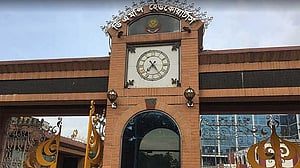
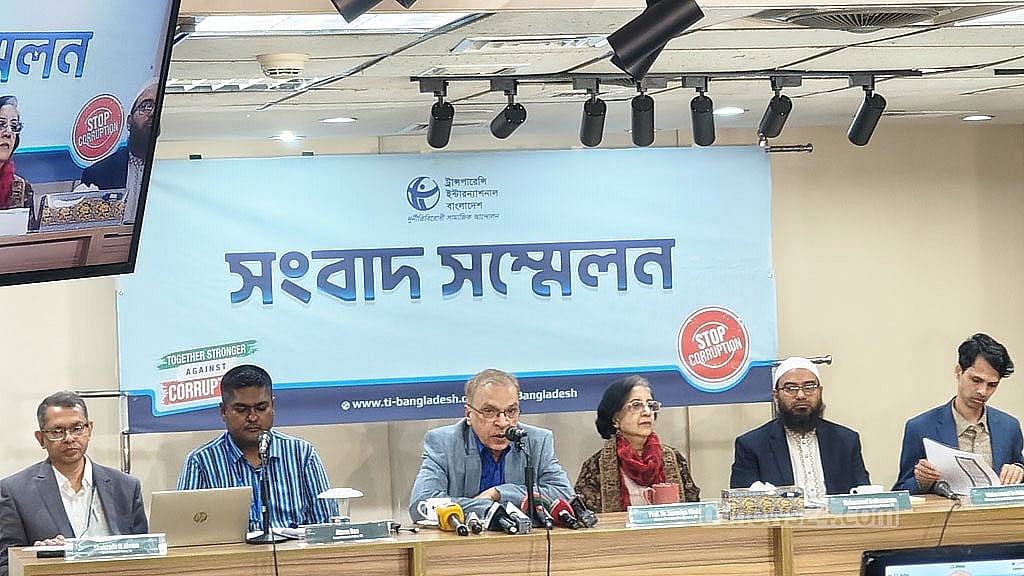
Transparency International Bangladesh (TIB) Executive Director Iftekharuzzaman has described the Rajdhani Unnayan Kartripakkha (RAJUK) as an institution “corrupt from top to bottom”, accusing sections of the authority of colluding with private housing businesses in irregularities.
He says Dhaka’s private housing sector “falls short” on all six pillars of good governance.
The head of the local chapter of the Berlin-based anti-graft watchdog said on Wednesday that parts of RAJUK, the administration, regulators and utility providers are colluding in irregularities and graft in land development.
Political patronage, land-grabbing interests and sections of the administration, he argued, have together built a kind of “mafia rule” that dictates the rules and opens a route to legitimise black money.
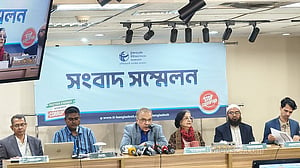
Asked about RAJUK at a press conference in Dhanmondi, he said an earlier TIB study had already labelled it “thoroughly corrupt”.
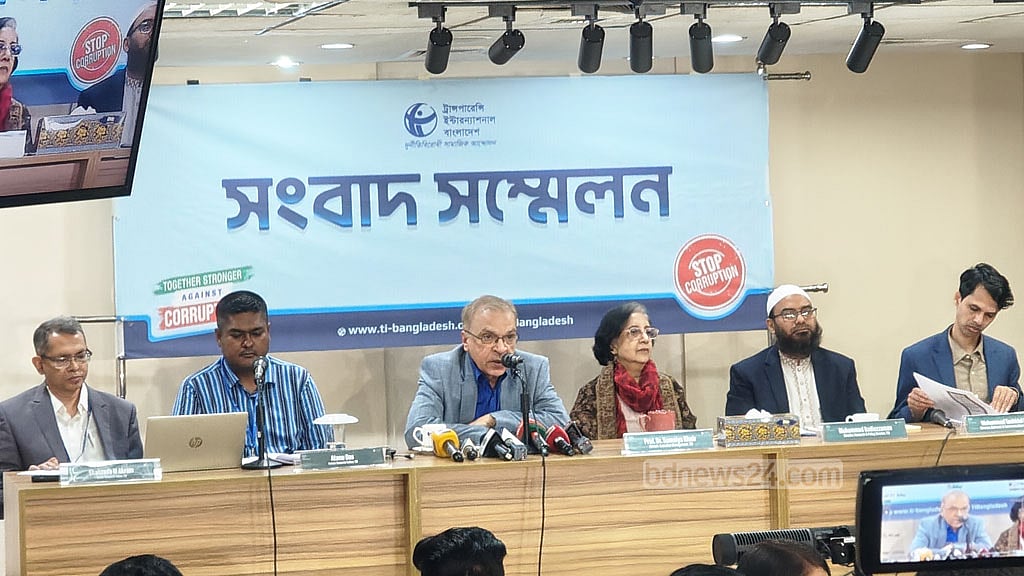
“Everyone in this room and outside, anyone in Dhaka who has dealt with RAJUK, has had that experience, and so have I personally.”
The new study, “Governance Challenges in Land Development in Dhaka's Private Real Estate Sector”, is not centred on RAJUK, he said, but it shows a partnership of collusion and irregularities between the authority and the sector.
Some real estate firms and unscrupulous RAJUK officials profit from its weak capacity, governance and accountability, he alleged. Influential developers also shaped changes to the Detailed Area Plan (DAP), with RAJUK bowing to them.
Iftekharuzzaman said the private housing sector had widespread shortcomings in all six areas of good governance examined in the study: the rule of law and its proper enforcement, capacity and effectiveness, transparency, disclosure of information, participation and accountability.
However, he said the shortcomings did not apply equally to every organisation. Some companies had cited certifications such as those from the International Organization for Standardization (ISO) and Leadership in Energy and Environmental Design (LEED) in their documents.
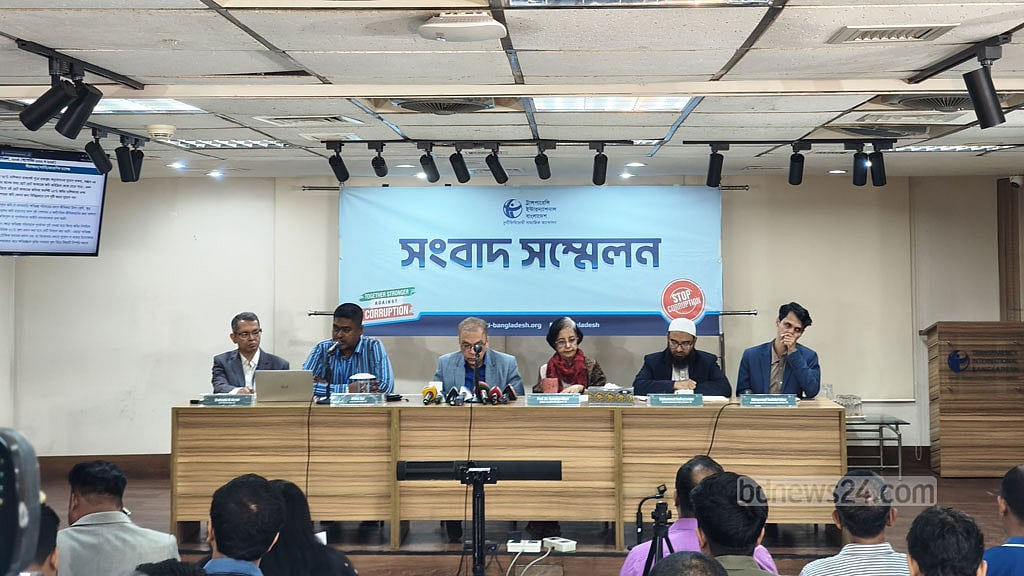
Gaps in legislation, coupled with poor enforcement of existing laws, had allowed some real estate companies to operate without proper oversight or accountability and abuse their power, The TIB chief said.
From selecting project sites and acquiring or occupying land to securing approvals, implementing projects and handing over plots, systemic corruption, irregularities, abuse of power and violations of rules had become institutionalised across the process, he added.
Describing the housing sector as largely supply-driven, Iftekharuzzaman said landowners and ordinary buyers were left at the mercy of real estate companies.
On the illegal filling of rivers, canals and wetlands and the cutting of hills for housing projects, he said those in power cannot be said to be unable to stop it.
“They do not want to.” A three-way nexus of political, bureaucratic and business interests backs the offenders, he said, adding that Bangladesh is turning into a country of land grabbing.
He called for an ethical code for the sector, which has none, and an impartial authority to enforce it.
He also urged a coordination and oversight framework, plus a grievance redress board, involving RAJUK, the Real Estate and Housing Association of Bangladesh (REHAB), city corporations, district administrations, the Department of Environment and the land ministry.
Iftekharuzzaman asked the government to show political will, draw up a roadmap and give the institutions the freedom and power to work independently.
He also stressed holding wrongdoers to account and an active role for the media.