Published : 26 Oct 2026, 08:35 PM
Updated : 26 Oct 2026, 08:35 PM


Political parties and organisations have condemned Inspector General of Police (IGP) Ali Hossain Fakir’s remarks suggesting police would carry out “crossfire” killings if the government gave permission.
The demands include an unconditional public apology and the IGP’s immediate removal from office.
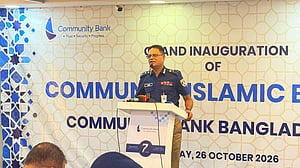
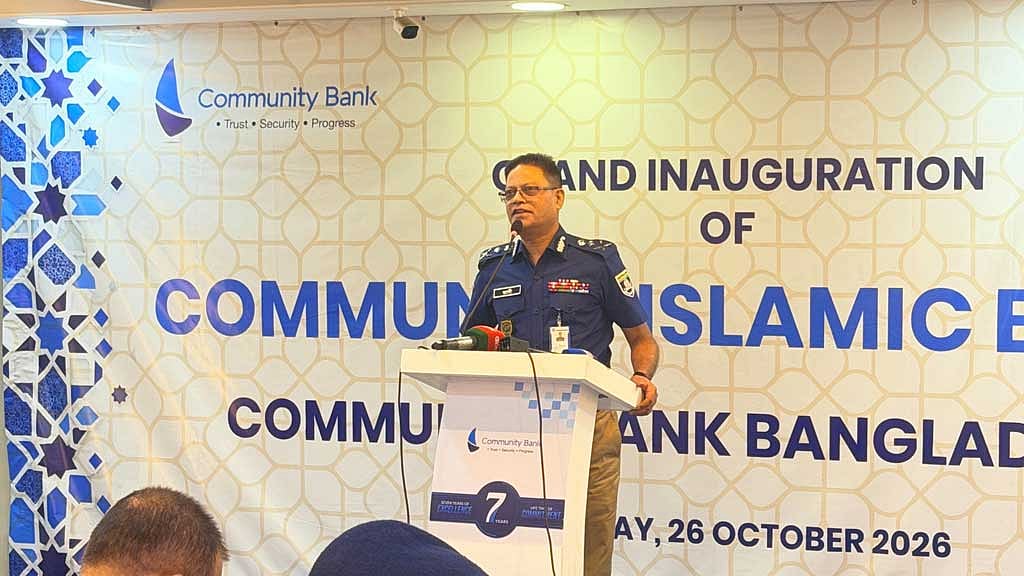
Speaking at the inauguration of the “Community Islamic Bank System” in Old Dhaka on Monday, the IGP said police would take necessary action in accordance with the law and the Constitution.
“If ‘crossfire’ becomes necessary, and the government grants permission, we will carry it out,” Ali said.
The comment has drawn criticism, particularly as the BNP pledged in its latest election manifesto to hold those responsible for past extrajudicial killings accountable, describing “crossfire” as a brutal form of such killing.
During the former Awami League government’s tenure, law-enforcing agencies faced widespread domestic and international criticism over extrajudicial killings, enforced disappearances, and targeted assassinations.
The US also imposed sanctions on several Rapid Action Battalion officials.
Hasnat Abdullah, a senior joint convenor of the National Citizen Party, criticised the IGP during a public outreach programme on Monday.
He accused the police chief of carrying forward the legacy of the previous regime and said reinstating such individuals was tarnishing the police force.
The Amar Bangladesh Party also condemned the remarks.
In a joint statement, party Chairman Mujibur Rahman Monju and Secretary General Asaduzzaman Fuad said government authorisation could not legitimise the extrajudicial killing of any citizen.
They said the exercise of state power must remain within the boundaries of the Constitution, the law, and human rights, and demanded an explanation from the government.
Islami Andolon Bangladesh Secretary General Gazi Ataur Rahman also expressed concern, saying the remarks recalled the conduct of police during the previous regime.
He said someone holding such a responsible position could not afford to make such casual statements.
Transparency International Bangladesh (TIB) strongly condemned the remarks, saying they sent a dangerous message by presenting extrajudicial killings as an acceptable means of controlling crime instead of addressing weaknesses in law enforcing agencies.
The anti-corruption watchdog said the comments showed disregard for the Constitution and the law and contradicted the government's stated position against extrajudicial killings.
TIB Executive Director Iftekharuzzaman questioned whether the IGP was using the prospect of “crossfire” to deflect attention from police’s failure to maintain law and order.
“Presenting ‘crossfire’ as an alternative is not a solution to institutional weakness; rather, it is an example of professional bankruptcy,” he said.
The organisation said executive authorisation could not override the constitutional guarantees of protection of the law, life and personal liberty under Articles 31 and 32.
It warned that such reckless remarks by the police chief could be interpreted as tacit approval for officers to use unlawful force.
TIB also criticised the IGP’s allegation that journalists criticised the police because they had not been paid.
The organisation said evidence-based allegations of criminal conduct against individual journalists should be dealt with through legal action, warning that sweeping accusations could undermine press freedom and discourage independent journalism.
TIB called on the government to seek an explanation from the IGP, demand an unconditional public apology, ensure the withdrawal of his remarks, and hold him administratively accountable. It also demanded his removal from office until accountability was established.
The Human Rights Support Society (HRSS) expressed deep concern over the comments and condemned them.
The HRSS has demanded a clear and unequivocal explanation from the government concerning the IGP’s statement, asking: “Does the government consider extrajudicial killings to be permissible, or were these merely the personal views of the IGP?”
The rights group also expects the government to articulate a firm stance against extrajudicial killings by law enforcing agencies and to commit to ensuring accountability.