
Published : 24 Oct 2026, 06:16 PM
Updated : 24 Oct 2026, 06:16 PM


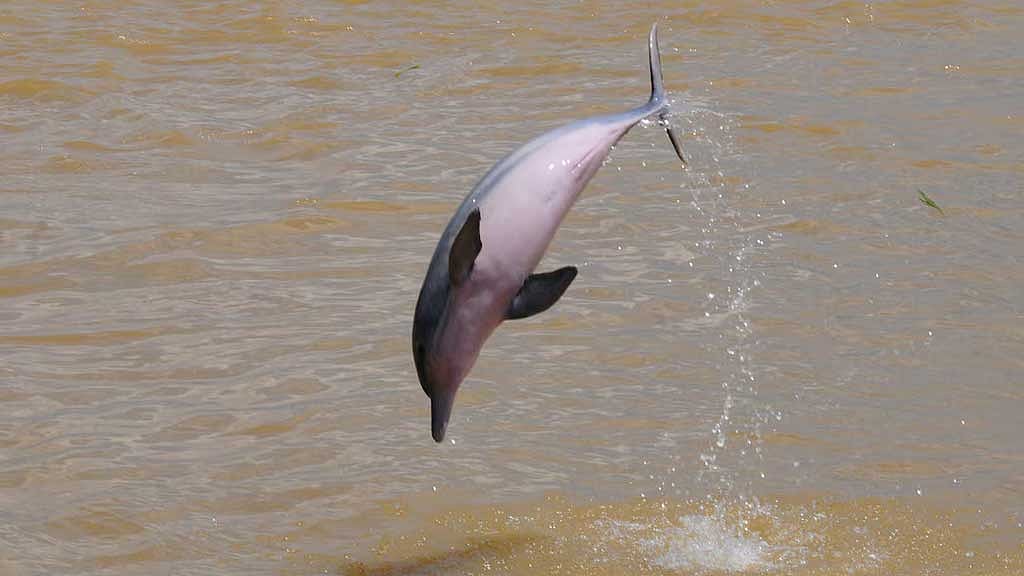
October 24 is International Freshwater Dolphin Day. Crisscrossed by rivers, Bangladesh is among the few countries where these gentle creatures can still be found in freshwater systems. Locally, they are known as shushuk.
The sight of a shushuk suddenly surfacing and leaping out of the calm waters of a flowing river was once a familiar scene in rural Bangladesh. Today, river pollution and environmental degradation have made such encounters increasingly rare. International Freshwater Dolphin Day is an opportunity to reflect anew on the importance of protecting these animals and the steps we must take to ensure their survival.
Two species of freshwater dolphins are primarily found in Bangladesh. One is the Ganges River Dolphin, also known as the Gangetic Dolphin (Platanista gangetica). The other is the Irrawaddy Dolphin (Orcaella brevirostris).
These dolphins inhabit most of Bangladesh's major rivers, including the Padma, Meghna, Jamuna, Brahmaputra, Karnaphuli, Halda and Sangu, as well as the rivers of the Sundarbans. A significant proportion of the world's remaining Ganges River Dolphins live in Bangladesh's river systems.
Freshwater dolphins do more than enhance the beauty of our rivers. They are also important indicators of a healthy aquatic ecosystem. According to environmentalists and researchers, the presence of dolphins in a river can indicate relatively favourable water quality and an abundance of fish. In other words, their presence is an important sign of the health of our rivers. Sadly, however, habitat encroachment, pollution and mismanagement have pushed these dolphins to the brink of survival.
According to the International Union for Conservation of Nature (IUCN) Red List, the Ganges River Dolphin is classified as an Endangered species. The principal causes of its decline are human-induced. Untreated industrial chemical waste, sewage from major cities, uncontrolled plastic waste, and pesticides and chemical fertilisers washed off agricultural land are contaminating river water and poisoning dolphin habitats.
In addition, unplanned dredging, reduced river navigability caused by dam construction, and indiscriminate sand extraction are destroying dolphin breeding grounds. Although dolphins are functionally blind, they navigate and hunt using echolocation, a process that relies on sound waves and their echoes. However, the intense noise generated by motorised vessels and dredgers in rivers disrupts their ability to navigate. Every year, numerous dolphins also die from suffocation after becoming entangled in illegal monofilament gillnets and enclosure nets used by fishermen. In some cases, dolphins have even been killed out of ignorance or because of the misguided belief that their oil possesses medicinal properties.
Beyond these threats, sudden environmental disasters and the unplanned use of commercial waterways have become major hazards for dolphins. In particular, the regular movement of large cargo ships and freight vessels through the rivers of the Sundarbans has placed this vast dolphin habitat at serious risk. Injuries caused by ship propellers, waste discharged from vessels, and powerful waves generated by their movement disrupt the dolphins' natural behaviour and breeding environment.
We have witnessed a devastating consequence of such risks in the oil tanker disaster on the Shala River in the Sundarbans. At the time, a toxic layer of oil spread across the water, severely contaminating the aquatic environment and having a profoundly negative impact on dolphin movement, breathing and the aquatic food chain. Such incidents serve as a stark reminder of just how vulnerable these dolphins' safe habitats have become.
To save these gentle creatures, our cherished friends of the rivers, we must take coordinated and effective action without delay. Under Bangladesh's Wildlife (Conservation and Security) Act, 2012, hunting or killing dolphins is a punishable offence. Strict enforcement of this law is essential.
The government has already declared dolphin sanctuaries in several areas, including the Sundarbans and the Halda River. Fishing with all types of harmful nets must be prohibited in these sanctuaries, and the movement of large vessels must be strictly regulated. In addition, extensive awareness campaigns should be conducted among fishermen and local communities living along riverbanks. If a dolphin becomes trapped in a fishing net, people must be encouraged to release it safely back into the river without causing it any harm.
If dolphins survive, our rivers will survive; and if our rivers survive, our agriculture, natural environment and the future of generations to come will be protected. On International Freshwater Dolphin Day, we should pledge to protect these invaluable treasures of our rivers and natural environment at all costs. Let us all raise our voices, in whatever capacity we can, to save these dolphins, often described as the smiling faces of our rivers.
[Muhammad Mostafigur Rahman is the head of news photography at bdnews24.com]