Published : 24 Nov 2026, 09:54 PM
Updated : 24 Nov 2026, 09:54 PM


Food adulterators could face the death penalty if necessary, Food Minister Afroza Khanam Rita has suggested, as the government moves to toughen the Safe Food Act.
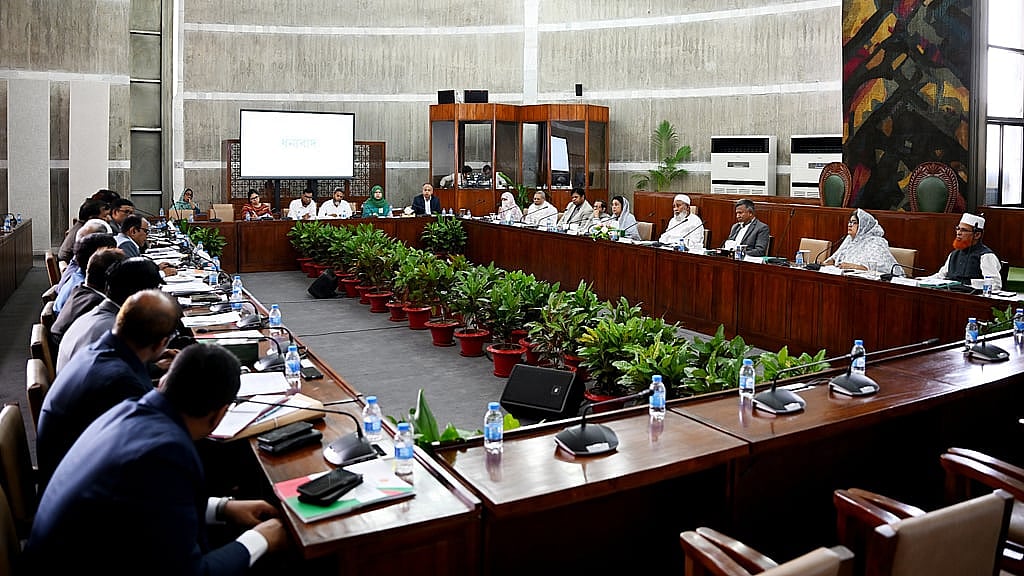
She made the proposal at a meeting of the Parliamentary Standing Committee on the Ministry of Food on Tuesday, according to a Parliament Secretariat statement.
The Ministry of Food has proposed sweeping amendments to the Safe Food Act, 2013, including fines of up to Tk 1 million for serious violations.
Under the proposal, complainants would receive 25 percent of the fine collected. That would amount to Tk 250,000 if the maximum penalty is imposed.
The meeting was chaired by committee Chairman Abdus Salam Pintu.
Afroza urged all stakeholders to take greater responsibility for ensuring that consumers have access to safe, quality and unadulterated food.
She also called for the government to buy paddy directly from farmers to prevent middlemen from denying them fair prices.
Businesses Could Face Shutdowns
A report presented at the meeting outlined several changes to the existing law, including scrapping minimum jail terms and fines for certain offences while retaining their maximum limits.
The proposed amendments would give the Bangladesh Food Safety Authority powers to shut down food businesses in certain circumstances.
These include repeated convictions for violations, failure to correct irregularities within a stipulated timeframe despite official notices, and activities posing an immediate threat to public health.
The authority could also restrict the activities of those responsible, close their businesses or impose both measures.
The proposals would allow authorities to seize adulterated, expired, substandard or otherwise harmful food, as well as products carrying deliberately misleading packaging information.
The scope of the law would also be expanded to cover food production, imports, exports, processing, storage, supply, marketing and sales.
Other proposed provisions include registration and licensing of food businesses, accreditation of food testing laboratories and risk-based monitoring.
The ministry has also proposed registering institutions responsible for verifying food safety and adding fees, charges, rents and fines to the Food Safety Authority's sources of revenue.
The proposals further call for renaming the existing Pure Food Court as the Safe Food Court and increasing the Food Safety Authority's membership from four to six.