


Published : 03 Jan 2014, 03:00 PM
Updated : 08 Aug 2022, 06:20 PM


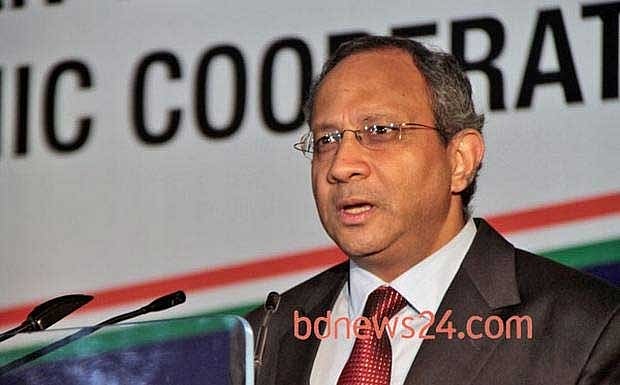
Pankaj Saran said the Awami League was in the forefront of Bangladesh’s Liberation War in 1971 when the two countries were closely associated.
“And at that time, as it happened, it was the party of the day and in that capacity various organs of the Indian state and the people of India were actually exposed to the Awami League,” he said in a television interview.
“So, there is a historical context to that reality,” he said, replying to a question about a perception that India is always favourable to Bangladesh government when a certain political party is in power.
The envoy said, “We are ready to deal with and we have dealt with the government of the day”.
“Whichever government is thrown up by the people and is elected by the people, India will be most happy to deal with them,” he said in ‘Maasranga TV’ recently.
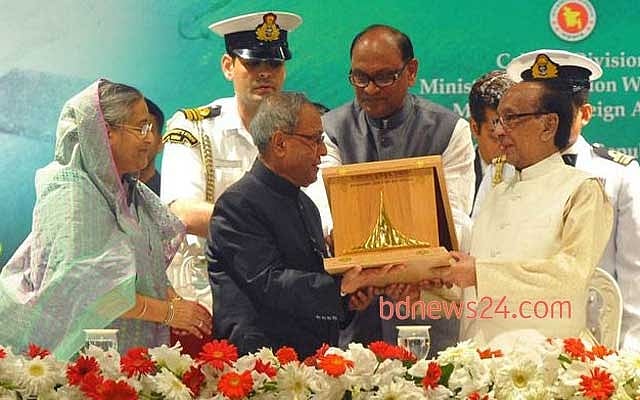
File Photo
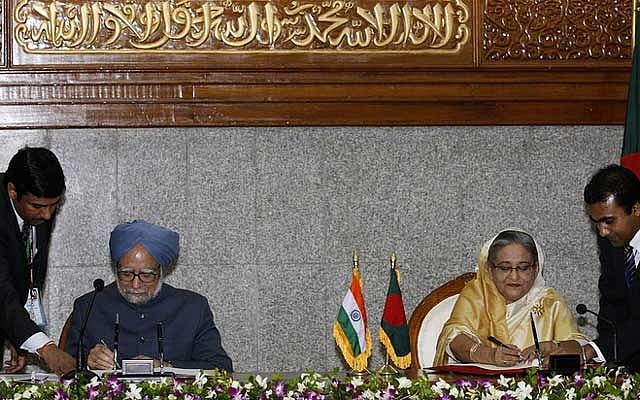
File Photo
“India wishes to see the consolidation of the democratic process and the democratic institutions in Bangladesh, and India wishes to see a process by which the aspirations of all the people of Bangladesh can be realised in a manner that is free, that is fair, that is impartial and that has wide acceptability”.
He, however, said the two countries share such a long border that “neither India nor Bangladesh can remain unaffected or be indifferent to what happens in each other’s country”.
And that, he said, made India interested in what happens in Bangladesh and “I am sure Bangladesh has a similar interest in what happens in India”.
The envoy said the destinies of the two countries were “very closely linked, more than perhaps any other two countries in the region”.
But he insisted on resolving political crises through peaceful dialogues and, as a friendly country, it wished the solution would enable the people of Bangladesh to realise their aspirations”.
“India’s friendship has and will always be with the people of Bangladesh.
“We want our relationship with Bangladesh to be sustainable, to be durable, to be broad-based, and to be inclusive, and we would wish to proceed in that direction,” he said.
He, however, replying a question said generally a diplomat cannot make any kind of comments on a country’s internal affairs where he or she is posted.
But he said as an envoy in any country, apart from being accredited to his host government, his job was to also maintain relationships with his diplomatic colleagues and the diplomatic corps.
“I think that is a perfectly legitimate form of diplomacy which envoys all over the world practise and are engaged in,” he said when asked about diplomats meetings with each other on Bangladesh’s affairs.
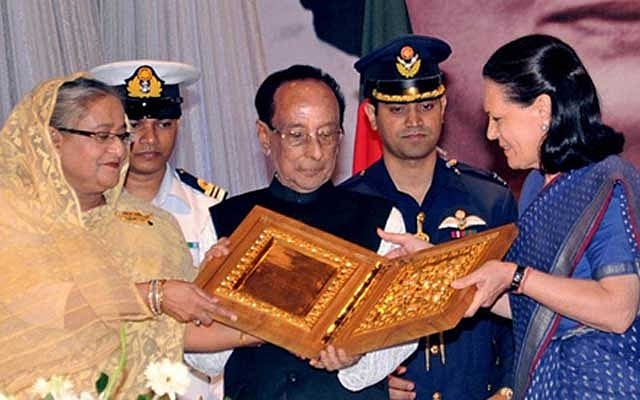
File Photo












