


Published : 15 Feb 2015, 08:02 PM
Updated : 23 Apr 2022, 12:22 PM


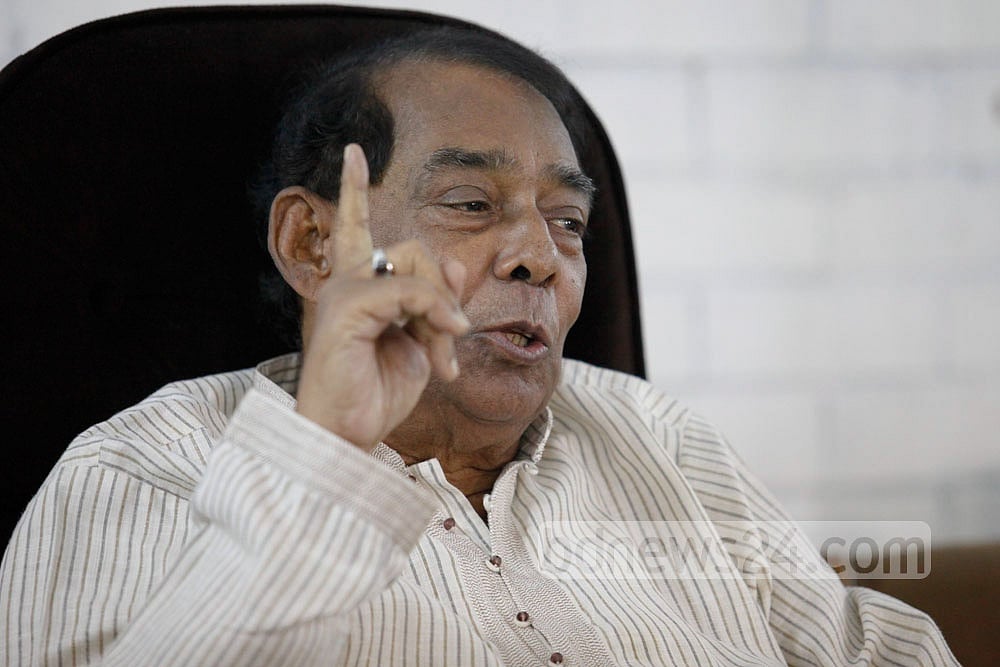
“Whoever the court may have instructed, it is applicable to all,” he told reporters on Sunday after a meeting of the Parliamentary Standing Committee on the Ministry of Law, Justice and Parliamentary Affairs.
“The court has the power to issue a rule. There is another suit over this matter. The High Courts of West Bengal, Kerala and Mumbai (in India) have also given their ruling.
"They said that if there is any loss of lives and property due to a political programme, the party calling it will have to pay compensation,” said Suranjit, who heads the committee.
The 20-Party alliance, led by the BNP, has been enforcing an indefinite transport blockade across Bangladesh since Jan 5. It has been also calling shutdowns almost every day, barring on weekends, since the beginning of February.
More than 80 people have died ― mostly in firebombing of vehicles — in violence during the blockade and shutdowns in the past one and a half months.
On Sunday, the High Court ordered the government to take steps to stop the ongoing anarchy after the preliminary hearing of a petition.
It also issued a rule asking why the ‘brutal blockade’ should not be declared illegal and unconstitutional.
Businesses have been long demanding a law banning such political programmes that badly hurt the economy.
Asked whether banning shutdowns and blockades would violate constitutional rights, Surnajit said on Sunday that the Constitution allowed one to exercise one’s rights without hampering those of others.
Replying to a media query whether such a High Court order would constrict politicians or the government, the ruling party leader said: “The Supreme Court alone reserves the right to interpret the Constitution.
“The Supreme Court can intervene even if Parliament comes up with a law that is in conflict with the Constitution.”












