Published : 17 Nov 2026, 01:24 AM
Updated : 17 Nov 2026, 01:24 AM


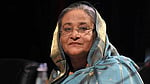
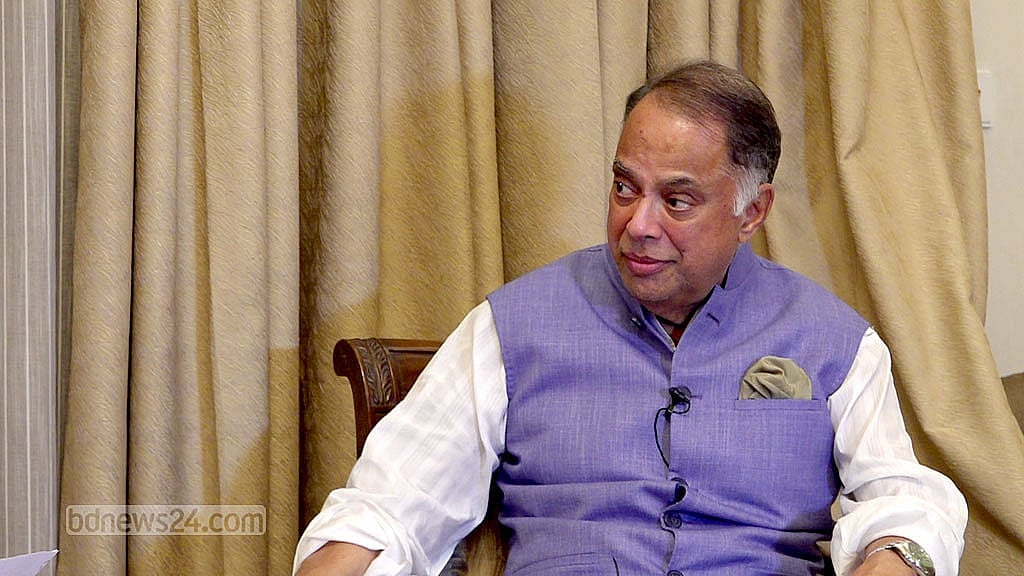
Bangladesh has repeatedly asked India to return Sheikh Hasina, but if New Delhi refuses, there is little more Dhaka can do, Power Minister Iqbal Hassan Mahmood Tuku has said.
Hasina, who fled to India after being ousted, cannot simply be issued a passport and allowed to come home, Tuku said. As a convicted person, she must be brought back under the extradition treaty between the two countries.
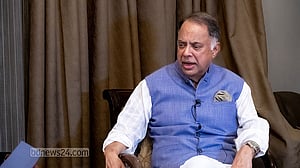
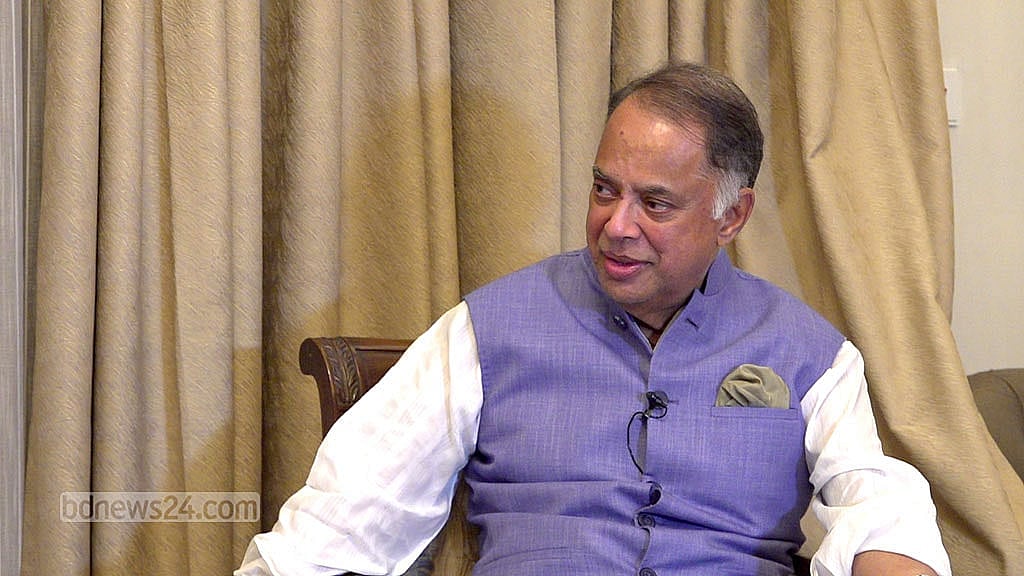
“We have asked for her, repeatedly. If India does not hand her over, there is nothing we can do,” he said in an exclusive interview with bdnews24.com at his home on Thursday night.
The former prime minister has already said she intended to return to Bangladesh in December. Tuku dismissed the prospect of her being welcomed by the public, arguing that her long spell in power had destroyed democracy and that about 1,400 people, including children, were killed before she left office.
He also rejected any suggestion that the government should provide Hasina with a passport.
“There is no reason to give her a passport. She has been convicted. She has to be brought back in the way a convicted accused is returned,” he said, adding that the legal process would apply regardless of what Hasina wanted.
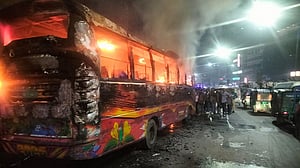
Tuku accused the Awami League of continuing a record of violence. Recent crude-bomb blasts and arson attacks on vehicles, as December approaches, had again shown that the party was “a terrorist organisation”, he said.
The government was responding on both fronts and taking measures against what he described as covert attacks.
A Gas Squeeze Inherited
The minister traced the energy crisis to problems accumulated during the previous government’s 15 years. He accused that administration of neglecting domestic gas exploration and relying instead on imports, a policy he said wasted public money and created opportunities for funds to be siphoned abroad.
As local reserves dwindled, pressure in the gas network fell. The new government had barely been in office for 15 days when war disrupted supplies from exporting countries, he said.
Bangladesh then tried to secure gas from alternative sources, only for one of its two floating storage and regasification units (FSRUs) to catch fire, temporarily worsening the shortage.
Pressure had since returned to a “fairly normal” level after the facilities were repaired, Tuku said. But the existing infrastructure could deliver only so much.
Supply would rise if another FSRU were added, while the government had restarted drilling and was seeing encouraging results at some sites, he added.
At a site in Cox’s Bazar, a gas flare had emerged and was being examined, he said, expressing hope that it indicated a substantial reserve. The government had also bought rigs and begun exploration work, while inviting international bids for offshore gas exploration. The tender process is due to close in March, after which major oil companies are expected to begin exploration in earnest, he said.
Asked why neighbouring India and Myanmar had developed offshore gas resources while Bangladesh had not, Tuku’s answer was blunt: “We have not even gone there. How can we find anything?”
A 2-Year Wait for LPG Competition
The minister was less willing to accept the government’s responsibility for high liquefied petroleum gas prices. The previous administration had handed the LPG business entirely to private operators, he said, leaving companies to import the fuel while the Bangladesh Energy Regulatory Commission fixed prices.
“Private companies are not running a charity,” he said.
The government was meeting importers, conducting mobile courts and pressing traders to honour announced rates, Tuku said.
He rejected the suggestion that ministers felt helpless, arguing that the present difficulties were the consequence of the earlier decision to leave the market to private businesses.
His proposed remedy is to bring the state into LPG imports, creating competition between public and private suppliers. But that will take time. The government has appointed consultants and received a report on where it should bring in LPG, unload it, store it and bottle it.
Building the necessary facilities could take about two years, he said.
A recent failure in the national electricity grid, meanwhile, was not unusual, Tuku argued. Grid disruptions could happen anywhere if a fault at one power station triggered a chain reaction, shutting down other plants.
The recent incident was only partial and electricity transmission was restored quickly, he said. He did not provide a date for the investigation report.
Solar Rooftops as ‘Profit Centres’
The government is betting on solar power to ease pressure on the grid, and Tuku rejected claims that the drive was serving foreign interests.
The shift away from fossil fuels was a global movement, he said, pointing to large solar programmes in India and Pakistan.
He described the initiative as a social movement and said Prime Minister Tarique Rahman was leading by example.
The prime minister, Tuku said, used solar power around the clock at home rather than drawing electricity from the national grid.
The government hopes to bring 4,000MW of solar power online before the next summer, when demand and load-shedding typically rise.
Under its rooftop plan, households and businesses can generate electricity for their own use and sell surplus power to the state for Tk 10.50 per unit.
Production costs should be no more than Tk 8 per unit, he said, making each rooftop a potential “profit centre”.
The response had been encouraging, Tuku said. Within a month or so of the ordinance being issued, around 200MW had already come on stream.
Nine months into the BNP government, Tuku said he had little to regret about its record, given the domestic and international crises it had faced.
The administration had demonstrated its ability to manage difficult circumstances, he argued, while developed countries were unsettled by global conflict and energy pressures.
At three conferences with energy ministers from developed countries, he said, counterparts had expressed surprise that Bangladesh could continue selling electricity and fuel at comparatively low prices.
“Many see Bangladesh as a role model,” he said.