Published : 28 Oct 2026, 12:18 PM
Updated : 28 Oct 2026, 12:18 PM


Fishers along the Meghna in Chandpur are preparing to return to the river after the 22-day government ban on fishing during the hilsa breeding season.
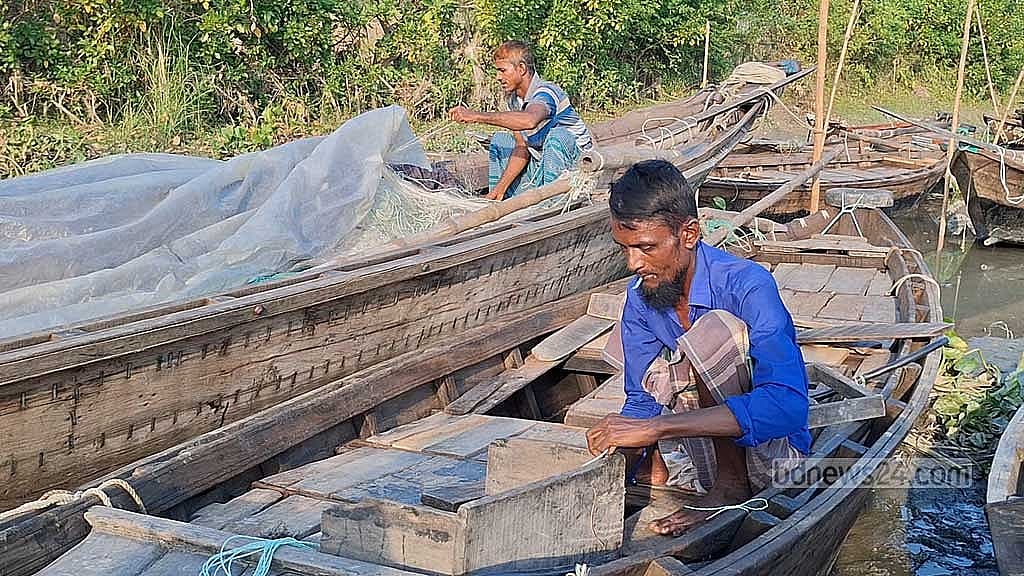
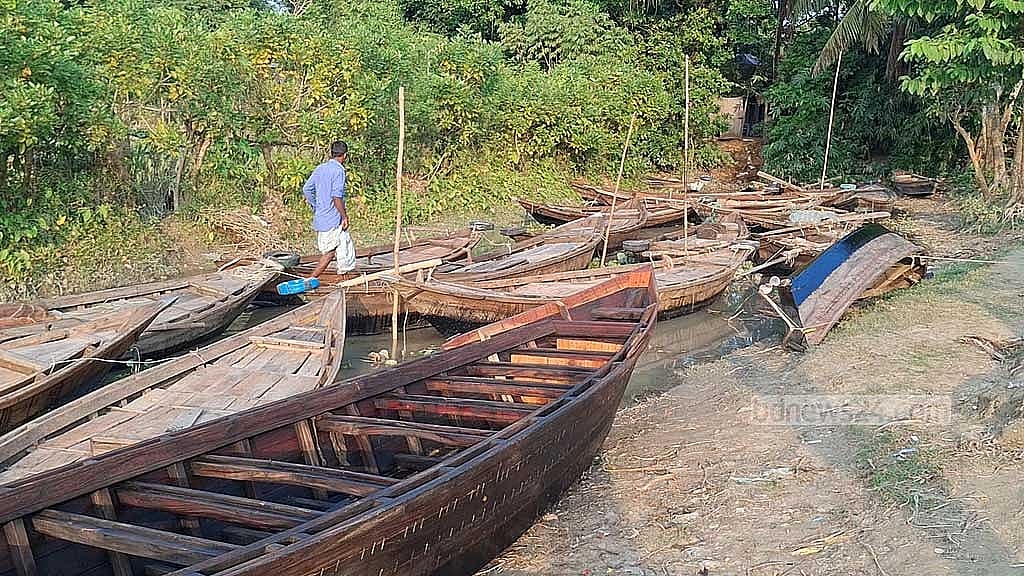
Some have woven nets, others have mended their boats.
They are happy to be back on the water after the long break, but worry about their household costs.
During the ban, their source of income was suspended, though spending on food, children’s education and healthcare was not. Many were forced to borrow.
All fishing was banned on a 70-km stretch of the Meghna in Chandpur from Oct 8 to 29, and 42,000 fishers in the area received 25kg of rice each.
Fishers in Chandpur Sadar and Haimchar said the rice eased their hunger, but other expenses had left them in debt.
They demanded cash aid from the government alongside rice during future bans.
Chandpur River Police said more than 300 fishers were detained, jailed or fined during ban-time drives, and many fish, boats and nets were seized.
Mizanur Rahman and Faruk Ahmed, fishers from Laxhmipur in the Sadar Upazila, said cash aid alongside the rice would have helped greatly, as rice alone cannot cover all family expenses.
They believe the fishers’ hardship would ease if the government considered the initiative.
Md Harun, a fisher from Charbhairabi in Haimchar Upazila, said: “With fishing shut for 22 days, my source of income was suspended too. I am drowning in debt trying to feed my family. I got rice from the government, but rice alone doesn’t keep a household running.”
A fisher from Harina in Sadar, identified only as Bachchu, also struggled.
“These 22 days have been very hard for my family. Rice alone isn’t enough. I have to pay for my children’s education, medical bills and many other costs. We had to live on borrowed money,” he said.
“The debt we built up must now be repaid from the income I earn from selling fish.”
Asked about the demand, Chandpur Sadar Upazila Senior Fisheries Officer Mirza Omar Faruk said: “There is no allocation for cash aid to fishers. The matter has been reported to higher authorities.”
The district fisheries department says such drives are vital to protect hilsa spawning, but the ban and conservation measures must be enforced effectively at other times of the year too, not just during the 22-day drive to protect mother hilsa.
“The drive succeeded, so mother hilsa could spawn undisturbed,” the official said.
“Hilsa output will rise further if the jatka (hilsa fry) conservation period from November to the 30th of June, and the ban on all fishing in sanctuaries in March-April, are also enforced successfully.”
He hoped that, with proper enforcement, hilsa output could rise to 600,000 tonnes in future.