Published : 21 Oct 2026, 11:29 AM
Updated : 21 Oct 2026, 11:29 AM


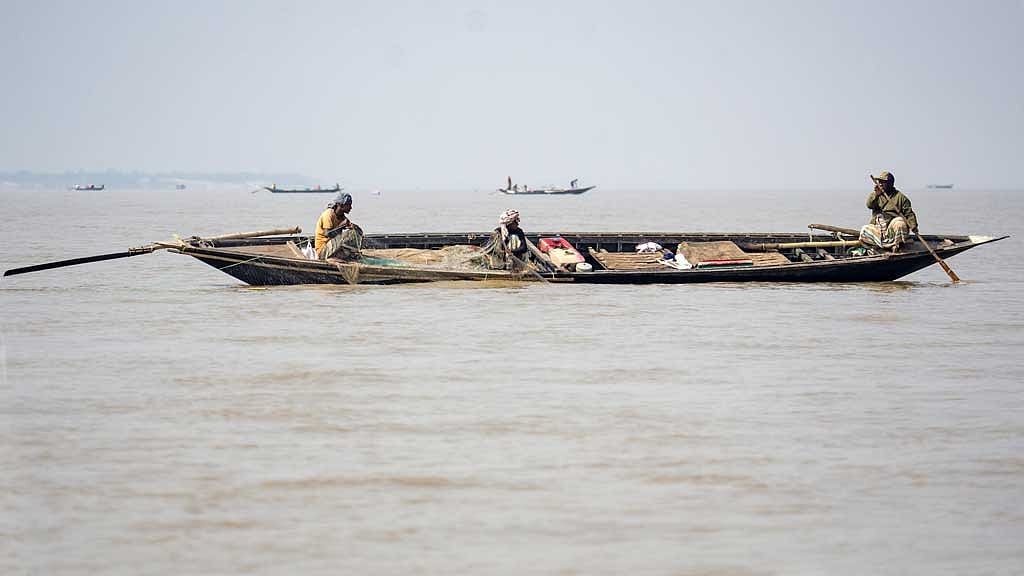
Illegal fishing and sales of mother hilsa are continuing openly at several points along the Padma and Jamuna rivers in Pabna despite a nationwide 22-day ban aimed at protecting the fish during their breeding season and increasing production.
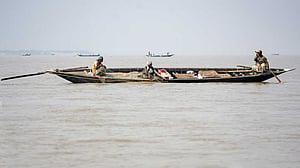
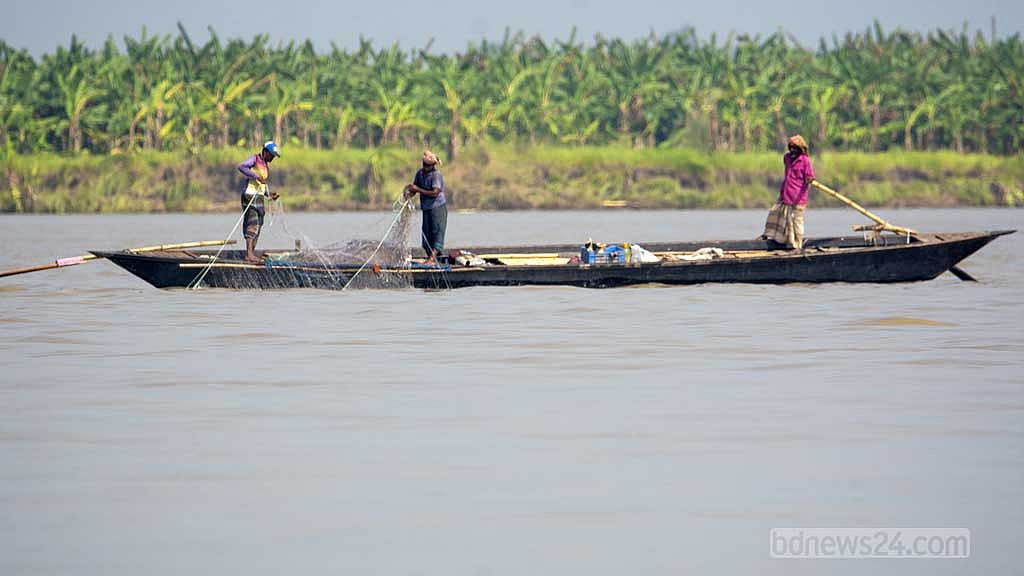
Field visits found that the confluence of the Padma and Jamuna rivers near Ishurdi, Sujanagar and Dhalarchar in Bera is a major breeding ground for mother hilsa and a hotspot for illegal fishing.
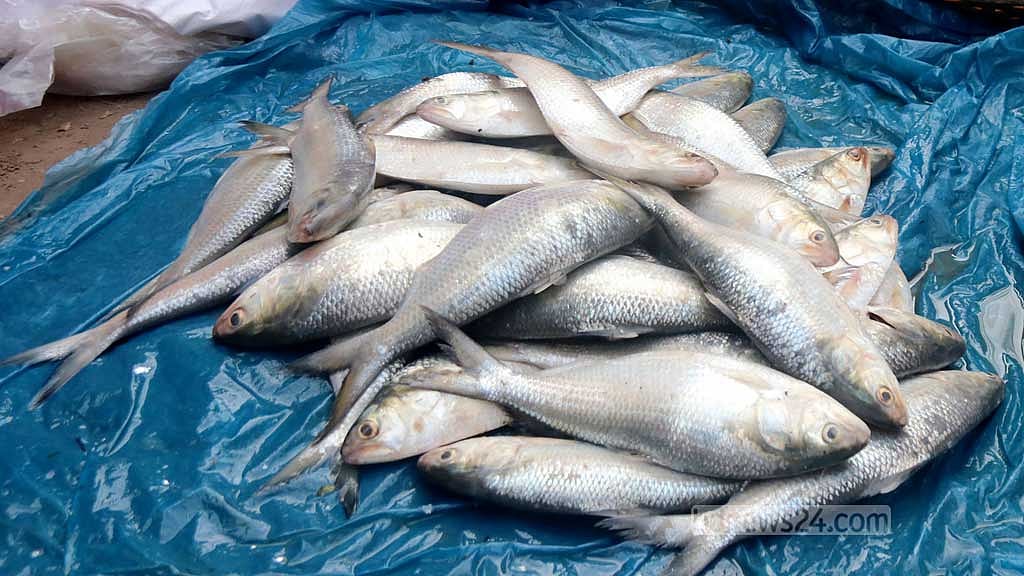
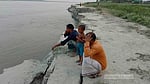
Fishermen are taking fish directly from the rivers to homes along the banks, from where the catches are sold discreetly or at temporary markets.
Fisheries officials say they are continuing enforcement drives despite staff shortages.
Several fishermen, speaking on condition of anonymity, said they were fishing to support their families amid financial hardship, despite the government ban.
They claimed government assistance was inadequate, with each fisherman receiving only 25kg of rice, which was not enough to sustain a family. Many were also missing from the official assistance lists, they said.
“We have no choice but to catch fish,” they said.
The fishermen identified several locations along both banks of the rivers where hilsa was being sold at temporary markets. These include Hothat Para in Pakshi, Sara Ghat No. 5, Arambaria cremation ground, Shekher Chak Ghat, Arambaria School Ghat, Dhalarchar, Kazirhat, Masumdia, Raj Dhardia and Nagarbari in Bera; Nazirganj, Hasampur and Satbaria in Sujanagar; and Chartarapur, Shukchar, Dogachi, Sakan Market and Komorpur Ghat in Pabna Sadar.
News of fresh Padma hilsa has drawn buyers from distant areas to these markets.
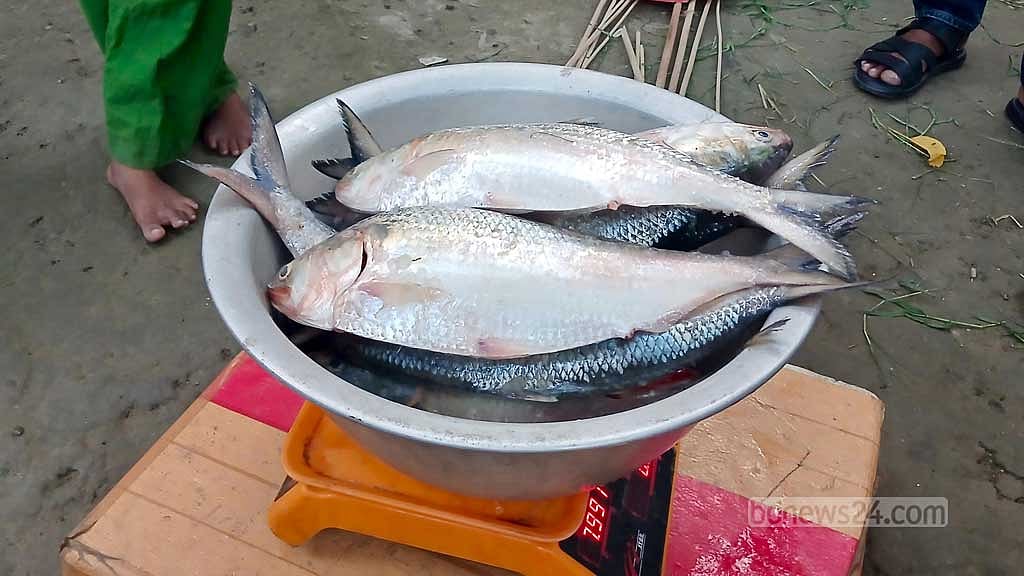
Buyer Rubel Ahmed said fresh hilsa was not readily available in regular markets, prompting him to visit the riverbank after hearing that fish were being sold there. However, he found the prices high.
Hilsa weighing 1kg or more was selling for Tk 1,600 to Tk 2,000 per kg, while smaller fish weighing 250-350 grammes were priced at Tk 500 to Tk 1,000 per kg, he said.
Another buyer, Mahmud Hasan, who purchased 5kg of hilsa at once, said: “The hilsa is fresh, so I bought a little more.”
Sarwar Morshed Khan, a resident of Masumdia in Bera and a cultural figure, expressed surprise at the scale of the fishing of mother hilsa.
“Given the way mother hilsa are being killed, it is astonishing. Instead of conducting raids merely for show, the authorities should carry out genuine operations. Only then will the government’s good intentions be fulfilled,” he said.
Recent incidents in which fishermen attacked officials during hilsa protection drives in other parts of the country have also raised concerns among fisheries officials in Pabna.
Shammi Shirin, senior fisheries officer in Ishwardi, said unscrupulous fishermen were mainly catching fish with banned current nets late at night rather than during the day. They hide on remote river chars, she said.
“They have more people, so there is a risk of them attacking us. That is why we are conducting operations cautiously,” she said.
Shirin added that several successful drives had already been carried out.
Pabna District Fisheries Officer Dipak Kumar Pal said the department was trying to stop hilsa fishing during the ban.
“We are trying to stop hilsa fishing during the ban. Our operations are continuing despite staff shortages,” he said.