Published : 17 Nov 2026, 11:36 PM
Updated : 17 Nov 2026, 11:36 PM


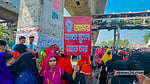
As garment workers continue to protest for higher wages, the Minimum Wage Board has begun visiting factories to gather first-hand information on workers’ living conditions and employers’ ability to meet their demands.
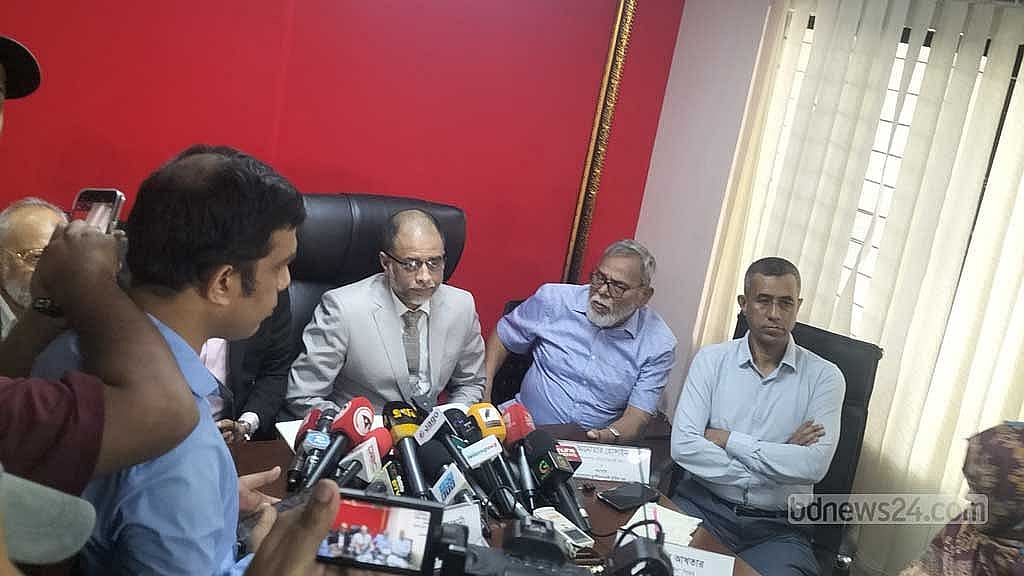
Board Chairman Syed Azad Subhani has so far visited eight factories in Chattogram, Dhaka, and Narayanganj, accompanied by other board members.
“Among the factories I have visited, there are expectations, but I have not found any discontent,” Subhani told bdnews24.com.
“I have spoken to them about how much they actually earn, how they live, how many people depend on them, whether there are other working members in their families, what work they do and what their expectations are,” he added.
He said workers had also shared details of their regular earnings and overtime payments.
The government formed a separate Minimum Wage Board for the garment sector on Nov 1 as protests and clashes continued in Mirpur, Savar, Gazipur and Narayanganj.
Workers began returning to factories after the board's first meeting on Nov 4 announced that the revised pay structure would take effect in December.
At the board's second meeting on Nov 9, the workers' side proposed a minimum monthly wage of Tk 32,000.
Employers sought more time to submit a counterproposal, but the third meeting scheduled for Monday was postponed. The next meeting is set for Nov 23.
Reports have suggested that factory owners may propose a minimum wage of Tk 15,000. Subhani, however, said the employers had not formally made such a proposal.
“I saw in some newspapers that this was their idea, as you mentioned, but the employers have not said anything like that yet. They will formally submit a proposal at the next meeting. I have not raised this issue, and they have not either,” he said.
The chairman said the board had been visiting factories since Nov 12, and had inspected four in Chattogram, three in Narayanganj and AKH Knitting & Dyeing Ltd in Savar so far.
The board was working to complete the process within December so that workers would receive their revised wages in January, with the new rates effective from Dec 1.
After negotiations between workers and employers, the board will recommend a wage structure to the government, followed by a 14-day period for objections after publication of the gazette.
Board Secretary Raisa Afroz said they were preparing reports on discussions at each factory.