November 23, 2026

Dahgram–Angarpota remains in Bangladesh

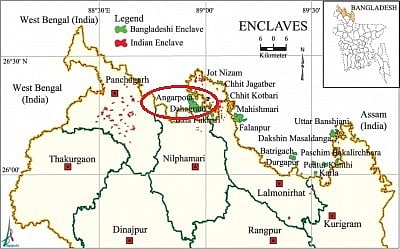
The Dahgram-Angarpota enclave, barely 200 metres inside Indian territory, will remain in Bangladesh after the historic land boundary agreement is implemented between the countries.

Suliman Niloy Suliman Niloy

bdnews24.com

Published : 01 Aug 2015, 01:38 PM

Updated : 19 Oct 2022, 06:53 PM

Image
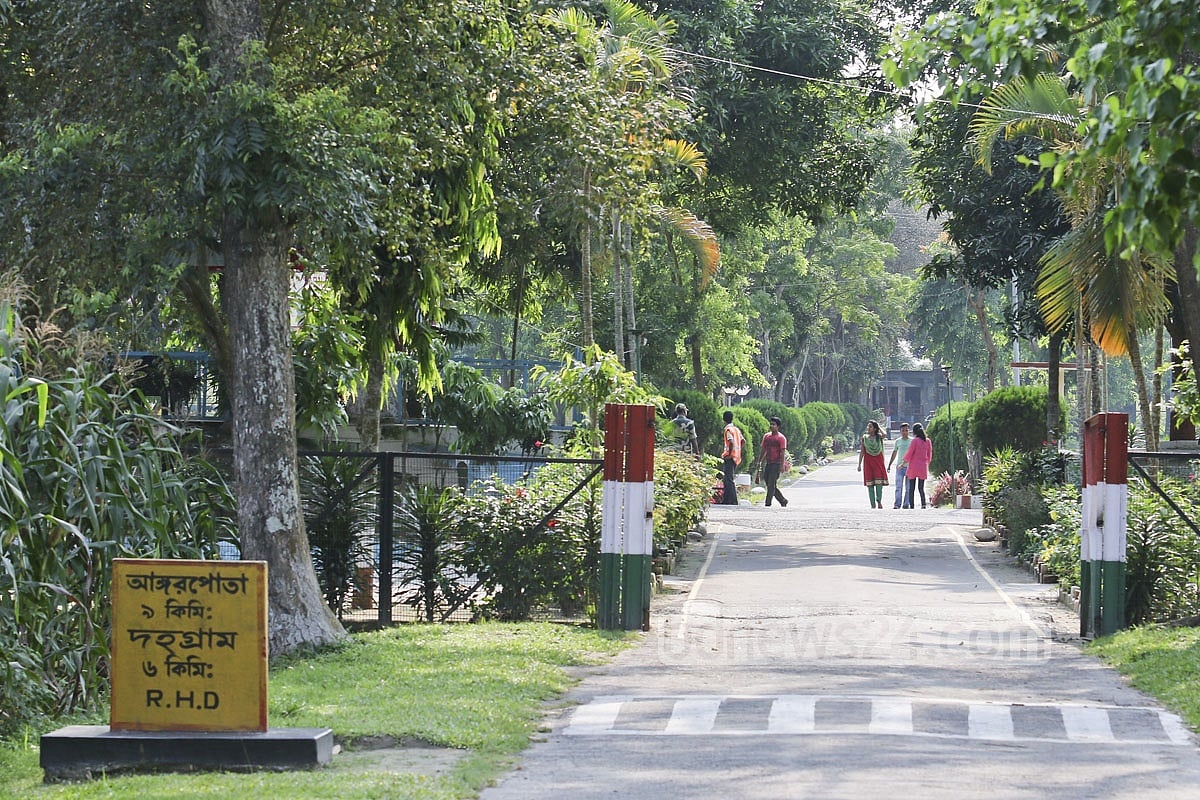
The ‘Tin Bigha Corridor’ connceting the Dahgram-Angarpota enclave with mainland Bangladesh
Image
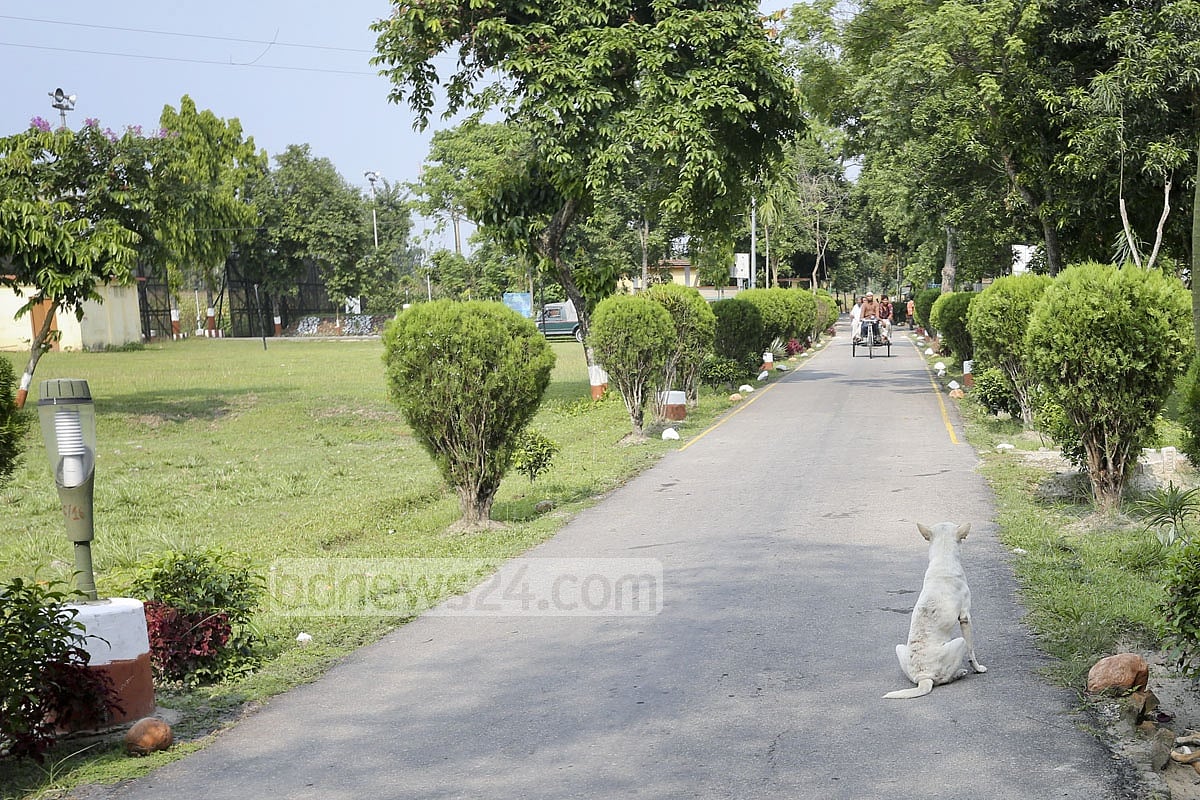
The ‘Tin Bigha Corridor’ connceting the Dahgram-Angarpota enclave with mainland Bangladesh
Image
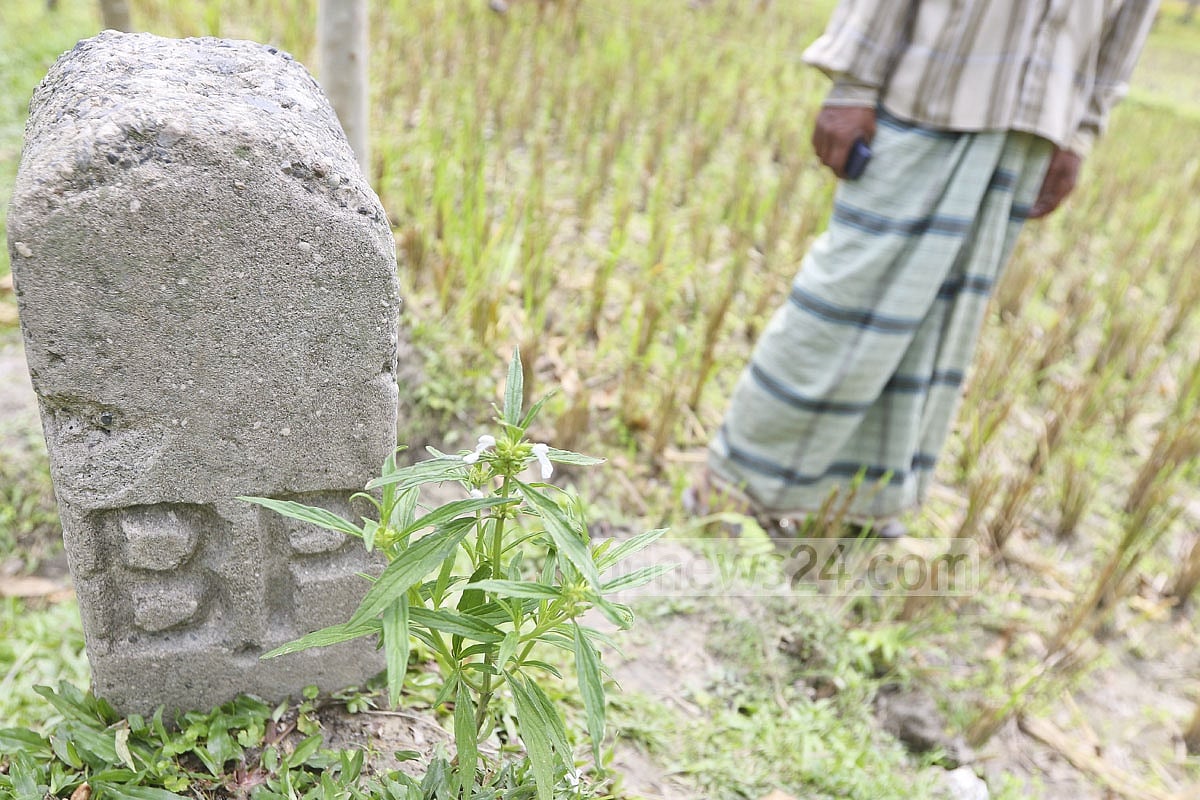
The ‘Tin Bigha Corridor’ connceting the Dahgram-Angarpota enclave with mainland Bangladesh

Also Read:

Enclaves erased from maps of Bangladesh, India

Also Read:

Freedom at midnight as 111 enclaves awake to new life in Bangladesh

The swap of  162  ‘land islands’  between India and Bangladesh after Friday midnight ends one of the world's most intractable border imbroglio. 
 
With this land swap, Bangladesh gained access to 111 Indian enclaves.
 
But the status of Dahgram-Angarpota enclave remains the same—though inside India, it will remain a part of Bangladesh.
 
Residents of this enclave are connected through mainland Bangladesh by a tiny strip of land in Indian territory, known as the ‘Tin Bigha Corridor’.
 

Image
The ‘Tin Bigha Corridor’ connceting the Dahgram-Angarpota enclave with mainland Bangladesh

The ‘Tin Bigha Corridor’ connceting the Dahgram-Angarpota enclave with mainland Bangladesh

The corridor was opened in 1992—for a few hours every day initially and then round the clock since 2011—  in keeping with the provisions of the 1974 Indira-Mujib pact. “Some people are raising concerns over Dahgram-Angarpota. Their argument is it was an enclave, so it should be part of India. “But that’s not the case. The 1974 pact clarified its status. The matter was resolved and it’s a part of Bangladesh,” said Delwar Hossain, who teaches international relations at Dhaka University. Counter enclaves issue The issue of counter enclaves—Bangladeshi enclaves within Indian enclaves and vice versa— have been also resolved with Friday’s land swapping, though there were concerns. International relations expert Hossain says it’s a “very negligible issue” and there’s no room for misunderstanding. “If there was a Bangladeshi enclave (within Indian enclaves), it has now become a part of Bangladesh.” One such counter enclave is Chandrakhana, which is in India’s Dashiarchhara enclave in Kurigram district and now a part of Bangladesh after Friday midnight. “Our problem was we were surrounded by Indian enclaves, but now it has become Bangladesh and it’s solved now,” Chandrakhana resident Md Rafiqul Alam told bdnews24.com.
Related Stories