Published : 19 Oct 2026, 12:42 PM
Updated : 19 Oct 2026, 12:42 PM


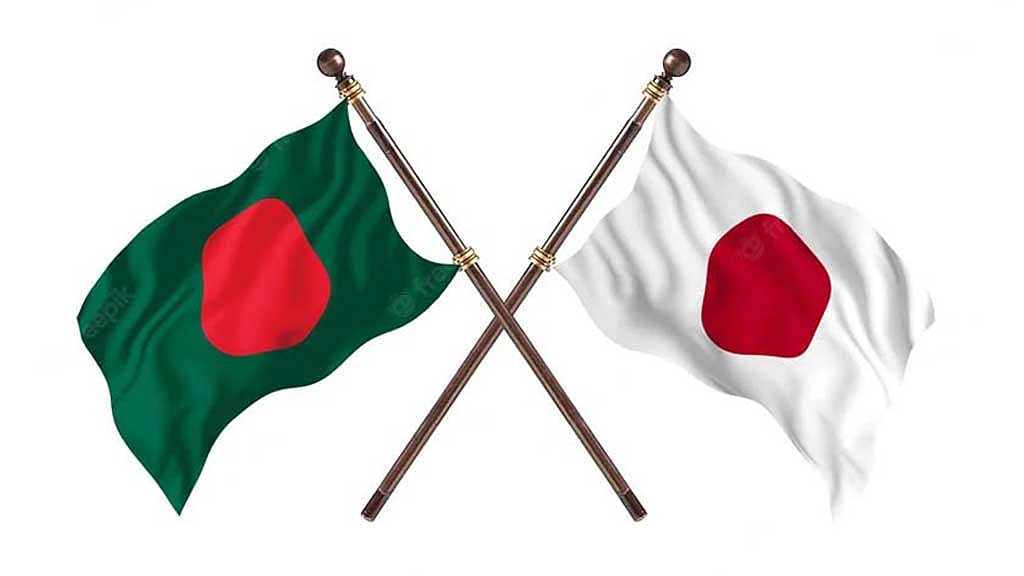
Bangladesh and Japan have formally signed a new employment agreement, paving the way for the recruitment of Bangladeshi workers in Japan from next year.
The Ministry of Expatriates’ Welfare and Overseas Employment announced the Memorandum of Cooperation on Employment Skills Development (ESDP-MOC) agreement in a statement on Monday, describing it as opening a new chapter in bilateral relations.
The agreement will remain in force for 5 years and will automatically be extended for another 5 years, for a total of 10 years.
According to the statement, the agreement was signed on Saturday after nearly a year of efforts by Bangladesh’s expatriates’ welfare ministry and the Japanese government.
Bangladesh’s secretary of the expatriates’ welfare ministry signed the agreement on behalf of the country. Representatives of Japan’s Ministry of Justice, Ministry of Foreign Affairs, Ministry of Health, Labour and Welfare, and National Police Agency signed on behalf of the Japanese government.
The ministry described the agreement as a major milestone in the current government’s efforts to expand overseas employment.
The two sides will formally exchange copies of the agreement during Prime Minister Tarique Rahman’s scheduled visit to Japan.
The ministry said the agreement would provide Bangladeshi workers with unprecedented opportunities and protections in Japan.
Expatriates’ Welfare Minister Ariful Haque Choudhury outlined its key benefits, saying it would ensure the highest possible level of protection for workers and strengthen cooperation between the two countries in sending and receiving workers.
He added that employment in Japan would help Bangladeshi workers develop their skills, potentially enabling them to earn higher wages and secure opportunities for long-term residence in the country.
Under the agreement, Bangladeshi workers will receive legal protections equivalent to those enjoyed by local Japanese workers and equal opportunities for men and women in the workplace, the minister said.
In particular, female migrant workers must not face dismissal or discrimination because of pregnancy or childbirth.
The agreement also contains no mandatory provision requiring workers to be forcibly sent back to Bangladesh because they become pregnant or give birth, the ministry said.