Published : 01 Oct 2026, 01:09 AM
Updated : 01 Oct 2026, 01:09 AM


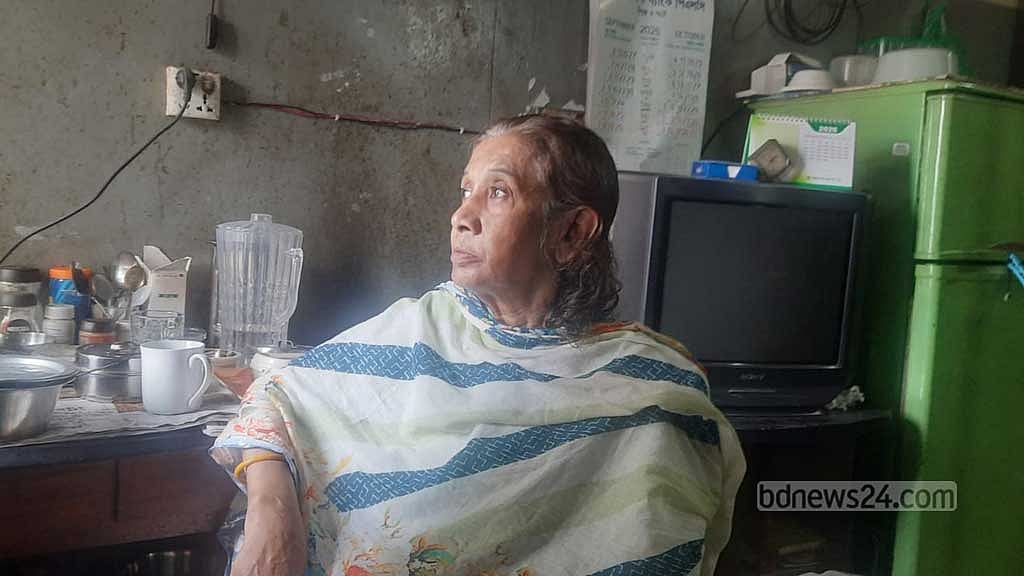
“I have nowhere else to go. Where would I go? I have no home of my own. This is my address now. I never imagined I would have nowhere to go in old age. If I had known, perhaps I would have saved some money. The people I once held close to my heart no longer keep in touch.”
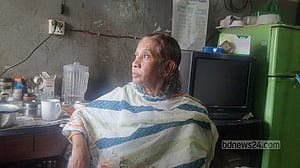
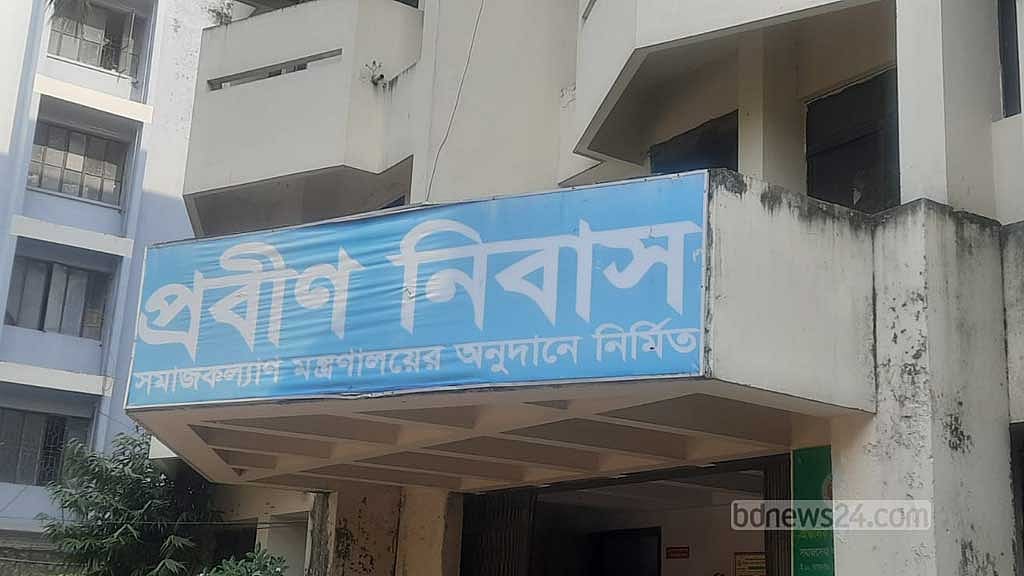
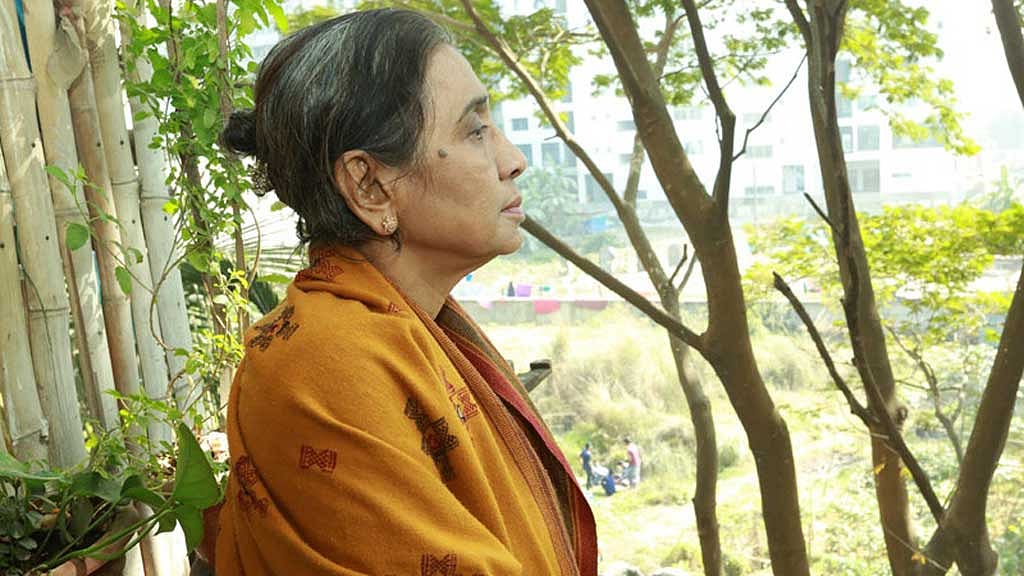
Wiping away tears, 70-year-old Nadira Begum described the loneliness that has made an old-age home in Dhaka’s Agargaon her address for nearly 11 years.
When a visitor entered her room with permission, she offered some ripe papaya before beginning to recount the losses that brought her there.
A decade into her first marriage, her husband left with their children. Divorce then separated her from them too. She suffered a severe mental breakdown, recovered after treatment arranged by her father and later married a doctor. But after his death, his children did not want her to remain in their home.
“After my divorce, I became somewhat abnormal. My father had me treated and I recovered. Later, I married a doctor. After he died, the children from that marriage did not want to keep me in their home.”
She then stayed with an elder brother, but neglect followed. Eventually, Nadira decided that living alone was better.
After spending time at another old-age home, she heard about the Agargaon facility through an acquaintance and moved there in 2015.
“It is better to live alone than to stay in a family amid quarrels. What is the point of living with someone while harbouring resentment? It is better to live separately and preserve the relationship.”
Nadira spent years teaching and doing social work. She taught people for free, trained them in handicrafts and even bought sewing machines for some. Many, she said, no longer remember her.
Asked whether life would have been better if she still had her family around, she replied: “Does thinking about it make it happen? I no longer dwell on what I did not have. But old memories hurt terribly when they return. So I do not want to think about the past.”
Now struggling to walk because of her age, Nadira receives medical attention when doctors visit the home once a week.
As Families Change, Older People Are Left Alone
Prof ASM Atiqur Rahman of Dhaka University’s Institute of Social Welfare and Research sees Nadira’s experience as part of a wider social shift.
Joint families, once a familiar part of Bangladeshi life, are becoming less common. Many adult children move abroad, leaving even financially comfortable parents alone in later life.
“Joint families like before, where older people could live with their sons, daughters, grandchildren and others, are no longer common. Older people have become isolated, and this is a major problem. This problem exists even in affluent families, not poor ones.”
He said some affluent older people also fail to plan for their own accommodation while they are still capable of doing so.
Two groups face particular risks, he said: people aged 80 or above and older women.
“First, people aged 80 or above are at serious risk. There are few arrangements for them either at home or in hospitals. Their numbers are increasing day by day. The health ministry must take special initiatives for them.
“Second, older women are also particularly vulnerable. In old age, older women need special facilities compared with men.”
He also stressed implementation of the 2013 National Policy on Older Persons.
For Some, Independence Is the Point
Not everyone at the Agargaon home arrived because they had nowhere else to go.
Retired government official Md Golam Rabbani, 68, chose it himself.
His room has a bed, bookshelf, table, essential furniture and a balcony. A newspaper lay on the table as he explained why he had moved there.
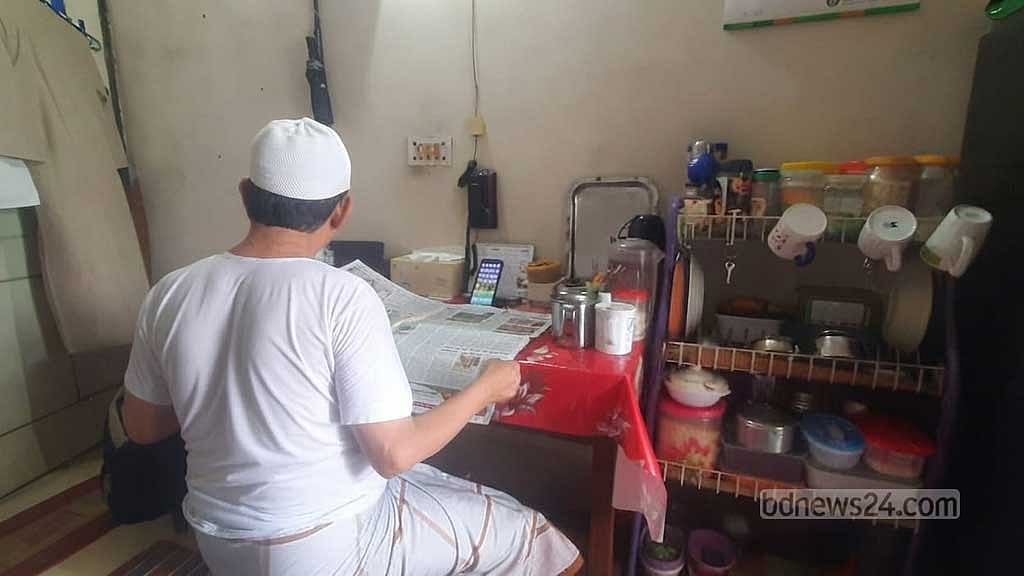
“I did not want to spend the rest of my life dependent on my daughters. I wanted to live the rest of my life in my own way, comfortably and without depending on anyone. I did not come to the old-age home because I was helpless. I pay my own expenses here, live as I wish and get to spend time with like-minded people, so I came.”
A former college friend told Rabbani about the facility. He researched its rules, costs and facilities before moving in on Jan 1, 2020.
His daughters initially struggled to understand his decision. Rabbani told them that an old-age home was not only for people abandoned by their families.
Some residents had children abroad, had lost a spouse or simply wanted to live independently.
He remains in regular contact with his daughters but does not want to live permanently in their homes.
“I have told them that when I feel bad, I will go to them. If they want to see me, they can come too. But I do not want them to come here regularly and become overly attached to me. Ultimately, they have their own families and their own lives.”
A New Family of Peers
The home has brought Rabbani friendships too, although those relationships carry their own grief.
Asked about his friends, he pulled out a photograph on his mobile phone. The man in it had recently died.
He had worked for the Department of Social Services. One child lived in Canada and the other in the United States. Despite owning a home in Dhaka, he chose the old-age home to spend time with people his own age.
Another resident, Rafsan Ara, spoke of several deaths among the residents.
“Three have died; one sister died a few months ago. I was deeply saddened. Both her children lived abroad. So she stayed at this old-age home in the country. I asked many times for a condolence notice to be written, but they did not write one. They used to put up condolence notices with photographs, but they no longer do.”
Nearby lives an 86-year-old woman whom caregivers identify as a Birangona, a woman who suffered during the 1971 Liberation War. Known as Chandana Shatadri, she has lived at the home for about 12 years but is now too ill to speak.
Seventy-year-old Manowara, who lives next door, was washing plastic boxes when a caregiver told her Chandana was refusing food. She immediately went to persuade her to eat.
“Eat properly, otherwise how will you get better?”
As a caregiver fed Chandana one spoonful at a time, the scene captured something that repeatedly emerged from conversations with residents: they had begun to care for one another.
“Look, several of us live together in one place. Who else do we have? We are each other’s family. If we do not look after one another, who will?” Rafsan said.
A Refuge with Limits
Residents generally praised the staff, but Rabbani said the accommodation was not always suited to older bodies.
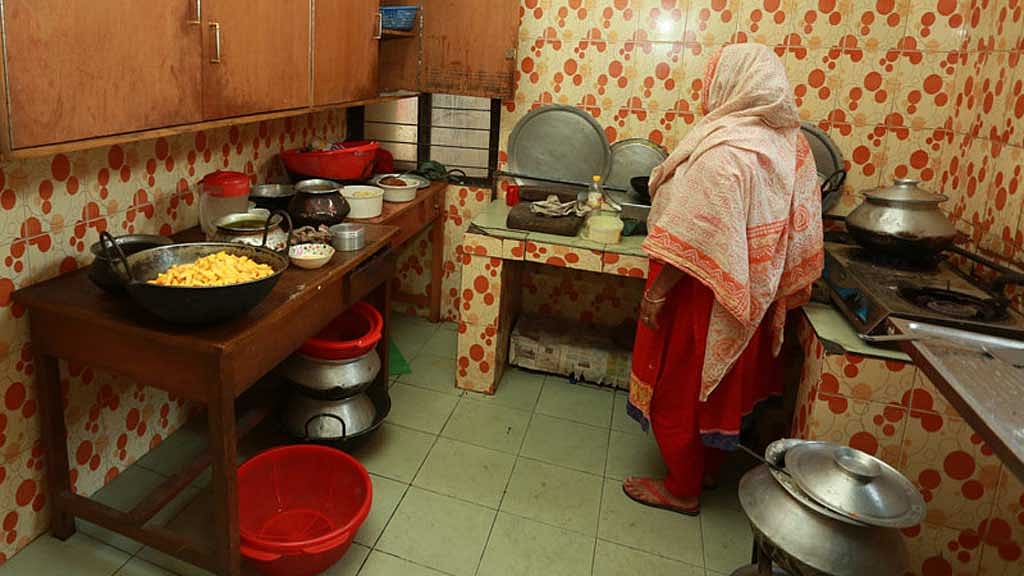
The bathrooms are too far from some rooms, he said.
“For an older person, going a long way to use the bathroom can be difficult. It becomes even more problematic during illness or an emergency. So bathrooms and other necessary facilities should be closer and easier to access.”
Another resident complained that doctors, who were once expected to check residents daily, now visit only once a week.
“A policy was made in September, but not a single policy was for us older people. All the rules seem to have been made against us.”
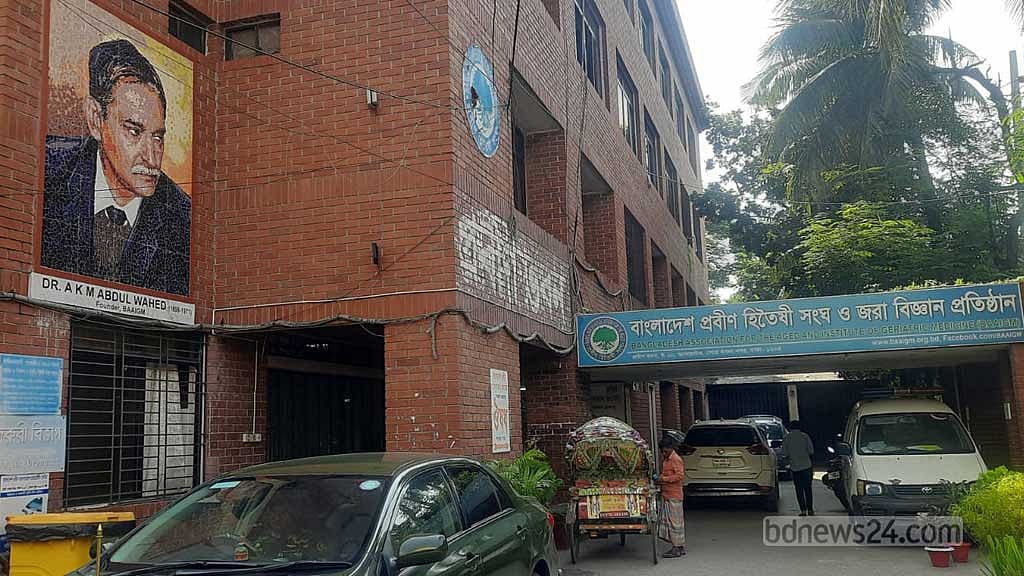
The home itself also has a financial barrier. The Bangladesh Association for the Aged and Institute of Geriatric Medicine (BAAIGM) established in Agargaon in 1960, runs the facility and has 92 branches nationwide.
BAAIGM Secretary General Md Entazar Rahman said 30 older people currently live there, down from 32 after two residents died.
Many come from affluent families. Their children include doctors, engineers, military officers and senior government officials. Some have children settled overseas but cannot adjust to life abroad.
“Many have children who are established abroad. Although they want to take their parents overseas, some cannot adjust to the environment there. So they choose an old-age home to remain in the country.”
Others arrive because their families consider them a burden.
Residents pay about Tk 11,000 a month, excluding medical and other expenses, making the facility difficult for poorer older people to afford.
Admission itself can be restrictive. When development worker Mazeda Shawkat came seeking a place for her sick 80-year-old brother, she was told that very old or seriously ill people are generally not admitted. The home mainly takes people aged 55 or 60 who are reasonably healthy.
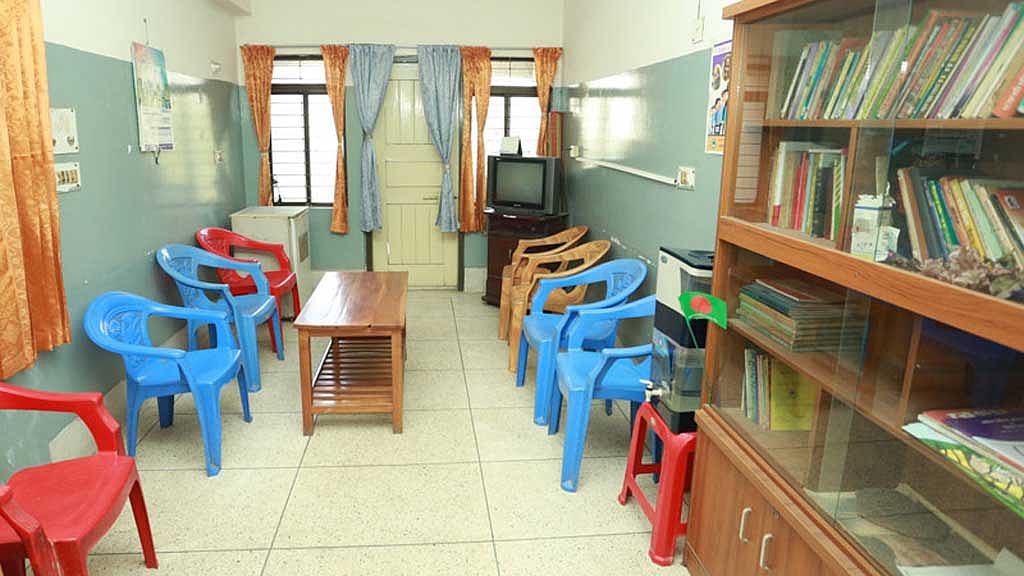
Long-term residents who later become unable to move can receive caregiver support, while private caregivers require special permission. New residents currently pay about Tk 9,000 in rent, while earlier residents pay less.
Another sick older person seeking admission was instead directed to the institution’s hospital.
Rethinking What It Means to Grow Old
The challenge is only likely to grow.
International Day of Older Persons is observed on Oct 1. This year’s theme is “Ageing in an Age of Longevity: Reimagining the Future for Older Persons”.
The United Nations estimates that the global population aged 60 or above could rise from 1.2 billion to 2.1 billion by 2050, roughly one-fifth of the world’s population.
Bangladesh has about 15 million older people today, or roughly 8 percent of its population. By 2050, the number is expected to reach 40 million.
The country adopted its National Policy on Older Persons in 2013 and operates an old-age allowance programme. In the 2025-26 fiscal year, 6.1 million beneficiaries receive Tk 650 a month.
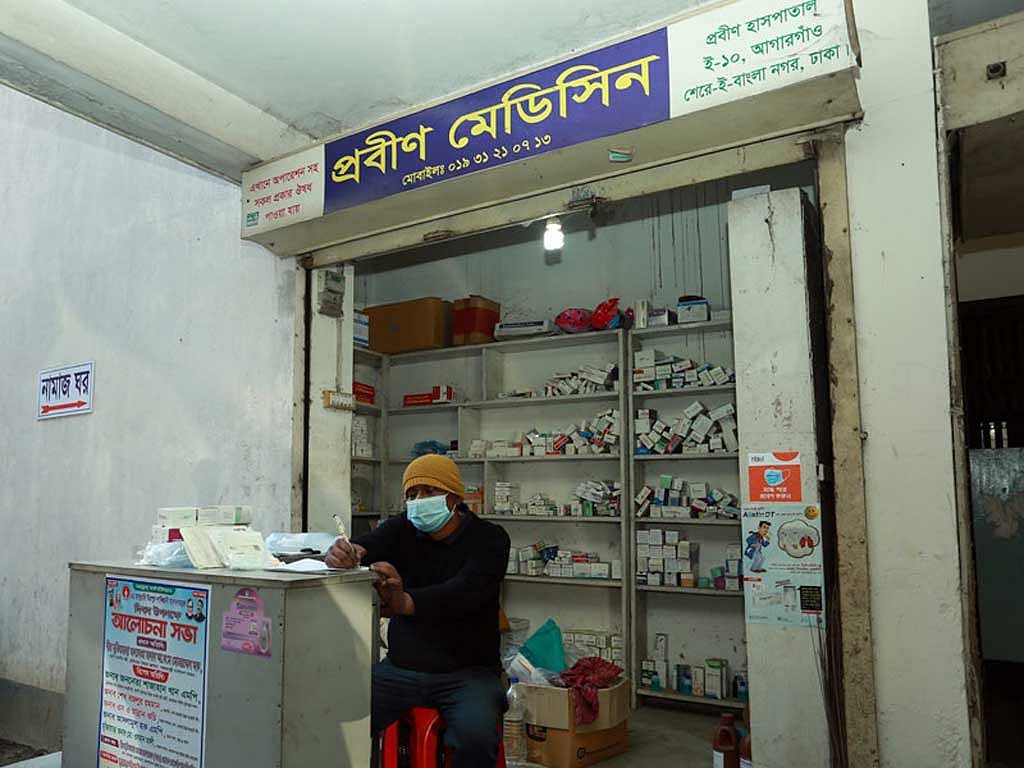
An event at the old-age home on Oct 7 will focus on making later life healthier and more fulfilling.
For Entazar, longevity itself is not enough.
“It is not enough to hope to live longer; we must also be conscious of living that life in a healthy and beautiful way.”
Regular medication, timely meals, physical activity and walking matter, he said. So do friendship, family contact, social engagement and a joyful environment.
At the Agargaon home, those needs take different forms. For Nadira, it is a place where she found shelter after family ties frayed. For Rabbani, it is a choice that protects his independence.
And for others, it has become something less easily defined: a community formed late in life, where people who once belonged to different families now look after one another.