Published : 21 Aug 2023, 02:35 AM
Updated : 31 Aug 2023, 09:24 PM


August 21, 2004, dawned with a sense of unity and hope among the Awami League workers as a peace rally against terrorism was set to take place.
A sea of faces gathered, their determination palpable in the air, as they assembled to raise their voices against the shadow of violence that had plagued their nation for far too long.
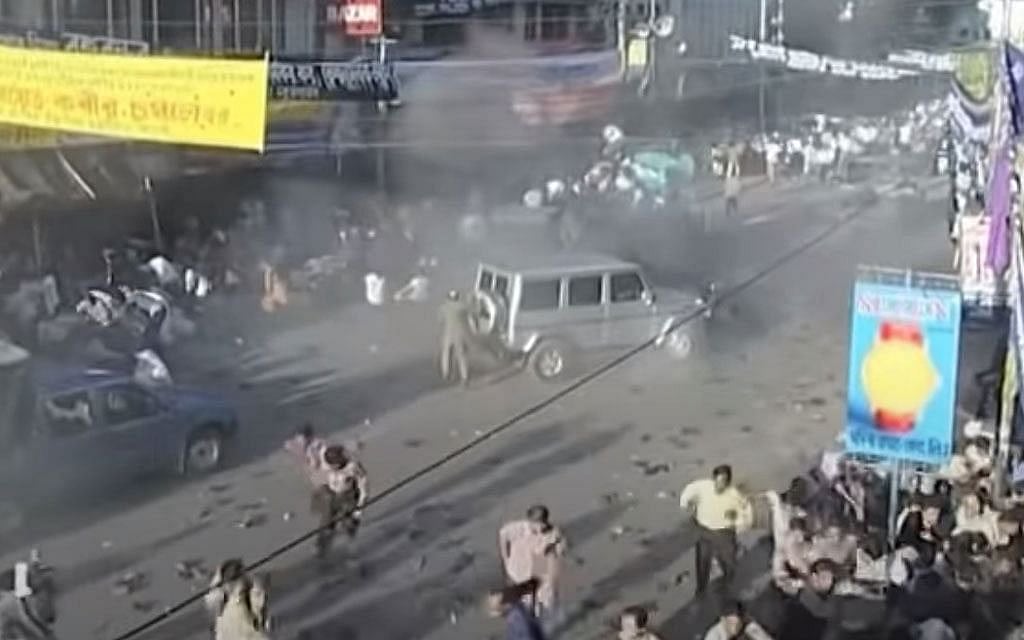
But then, in a moment that shattered the peace like fragile glass, chaos erupted. A deafening explosion tore through the air, the force of it leaving a smoky haze in its wake. Panic swept through the crowd as the realisation struck like a lightning bolt — they were under attack.
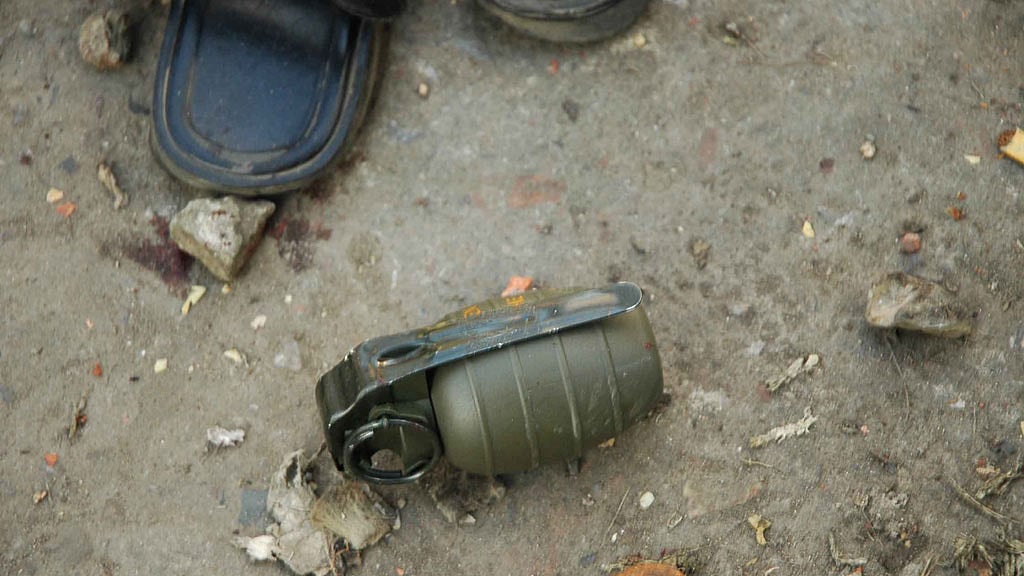
As many as 24 participants were killed and 500 others were injured in a grenade attack launched by terrorists on the programme.
The assault targeting Sheikh Hasina aimed to obliterate the Awami League, a judge observed in the verdict on the case in 2018.
Homegrown militants in cahoots with their foreign peers launched the attack with the help of the then state machinery, the judge said.
It was a tear in the fabric of democracy itself. The shockwaves extended beyond borders, capturing the world's attention, and leaving them incredulous at the audacity of the assault on the Awami League, the main opposition party at the time - now holding the reins of power in Bangladesh.
The BNP, and its junior ally the Jamaat-e-Islami, were in power when the attack was carried out.
The judge sentenced former state minister for home Lutfozzaman Babar and 18 others to death for their roles in the grenade attack.
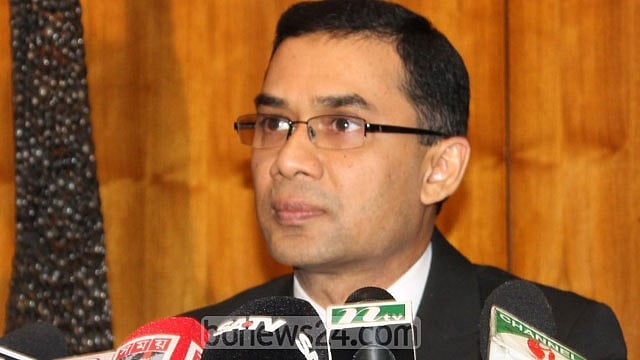
Tarique Rahman, BNP’s acting chairman and son of the then prime minister and BNP Chairperson Khaleda Zia, was sentenced to jail for life along with 18 others.
The Awami League and many other organisations will remember the victims of the grisly attack on Monday.
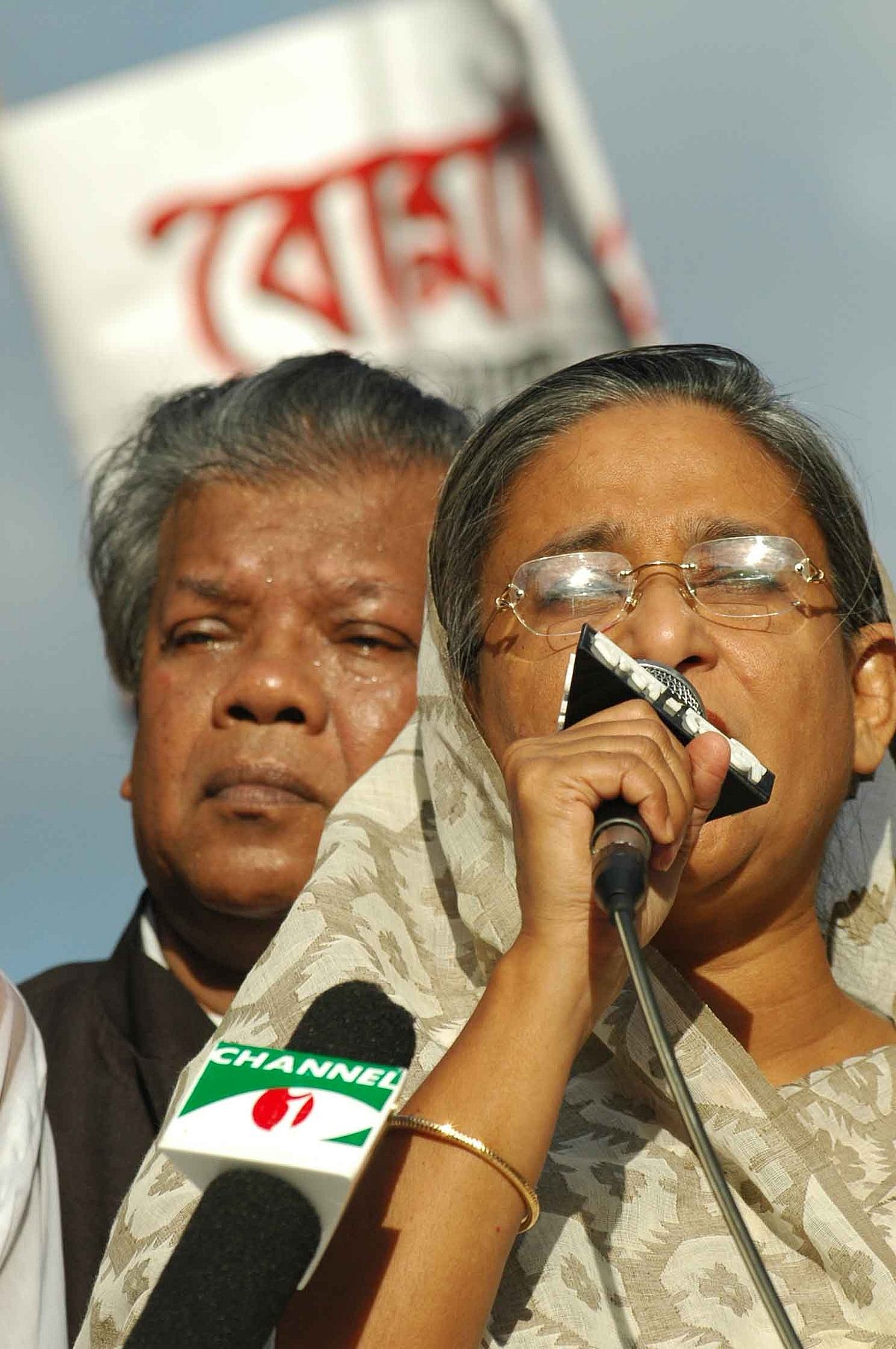
Party chief Hasina, now the prime minister, will preside over a discussion on Bangabandhu Avenue, the venue of the 2004 rally.
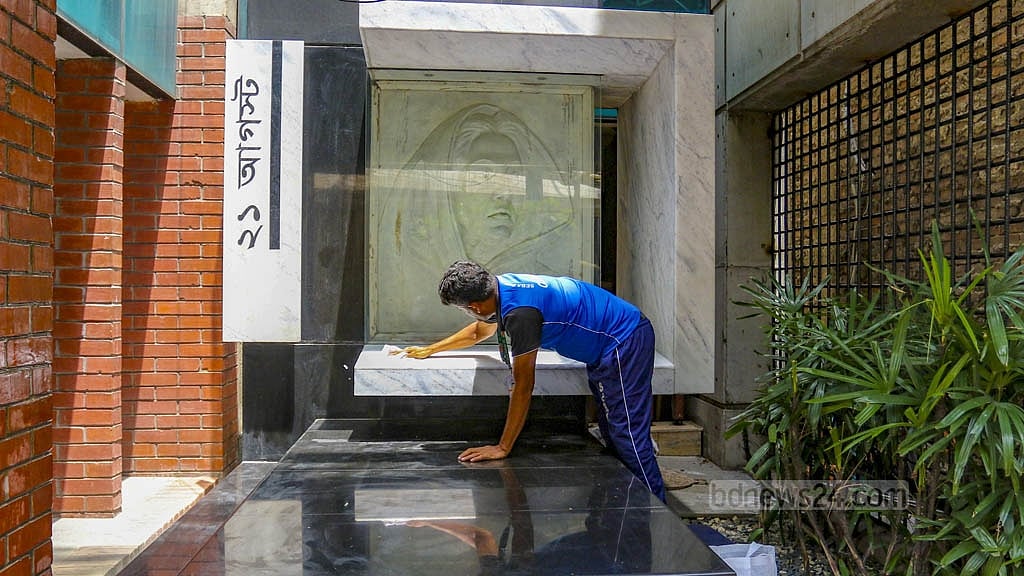
People will also visit and place flowers on the memorial for the victims there.
President Mohammed Shahabuddin has said the grenade attack was carried out in continuation of the Aug 15, 1975 massacre of the family of Bangabandhu Sheikh Mujibur Rahman.
Bangabandhu’s daughters Hasina and Sheikh Rehana escaped the 1975 massacre as they were abroad.
“Even then, the conspiratorial murderous clique did not stop,” Shahabuddin said in a message remembering the grenade attack victims, adding that they planned to kill Hasina through the 2004 attack.
“The aim of the assassins was to make Bangladesh and the Awami League leaderless, stop the democratic process and establish dictatorship and militancy in the country.”

In her message, Hasina highlighted the efforts to derail the investigation into the attack during the BNP’s tenure.
The judgement in the case in 2018 established the rule of law in Bangladesh, she said and hoped to execute the verdict.
WHAT HAPPENED THAT DAY
Party leaders began delivering their speeches from the makeshift stage erected on the back of a truck at around 3pm on that day. Senior leaders took the stage after one more hour and Hasina arrived after another half an hour with the supporters waiting for her speech.
Hasina and other leaders stood behind a table, used as the podium, on the right-hand side of the truck as they spoke. The Awami League chief's bullet-proof Mercedes SUV stood within a few yards of the steps at the back of the truck.
Hasina was flanked by Mohammed Hanif and Mofazzal Hossain Chowdhury Maya, among other leaders, during her address.
Retired Squadron Leader Abdullah Al Mamun and retired Major Shoeb Md Tariqullah were in charge of her security.
Mamun sat beside the podium throughout the rally. Meanwhile, Shoeb stood on the bottom rung of the steps with retired Maj Gen Tarique Ahmed Siddique standing beside the car.
Mamun assumed Hasina was about to finish her speech and began to approach her. It was then that the first grenade was charged at the stage.
It was followed by three more explosions as smoke engulfed the entire area.
Hanif and Mamun rushed to Hasina's side in the immediate aftermath. Both Hanif and Mamun urged Hasina to sit down but she refused. At one point, they forced her to sit.
Three more grenades went off around the truck. Shoeb, who stood at the bottom step, barked out orders to evacuate Hasina to safety immediately.
A grenade then bounced off the back of the truck and exploded next to the vehicle as security personnel escorted Hasina to the steps. She was subsequently brought back on to the stage but the blast was believed to have cracked the truck's fuel tank to make matters worse.
In the meantime, the Awami League leaders, activists and security personnel formed a human shield around Hasina to protect her. Mamun, Hanif, Maya and Hasina’s cousin Nazibuddin Ahmed had all surrounded her.
Shoeb, however, warned everyone that the oil tank had leaked and that it would not be wise to stay there any longer as a fire could break out at any point.
Hasina's aides helped her get on feet but she had lost her shoes and glasses. Shoeb held her when they reached the middle of the steps before she was seated on the front seat of the car.
But Hasina did not want to leave the injured behind, according to the security personnel at the scene.
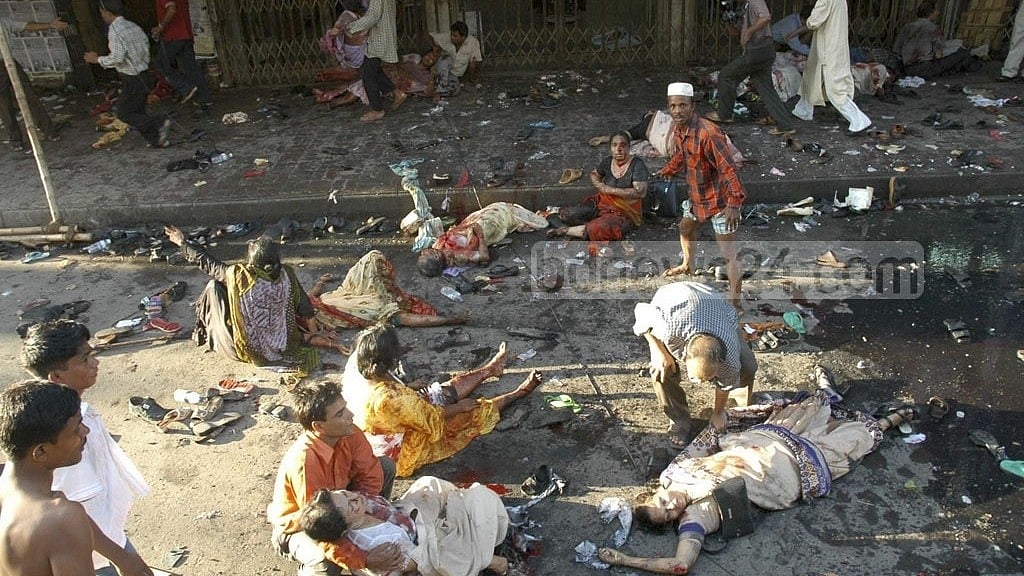
They had taken her to Sudha Sadan against her will as a heap of mutilated bodies laid scattered on the street between the truck and the Awami League office. The injured were left groaning in pain.
Meanwhile, Awami League leaders and activists struggled to send the injured to the hospital as Bangabandhu Avenue was made off-limits to transport after the explosion. They tried to carry the injured to Dhaka Medical College Hospital on rickshaws, auto-rickshaws and vans.
At least 16 people died at the scene. Ivy Rahman, president of Bangladesh Mohila Awami League, died after a 58-hour fight for her life. Hanif, the first elected mayor of unbifurcated Dhaka City Corporation, succumbed to his injuries after one and a half years.
The death toll from the grisly attack eventually stood at 24. Many of the injured suffered permanent physical deformities as they were maimed. Hasina suffered hearing loss and was under treatment at home and abroad for many years.
Among the casualties were Rafiqul Islam, adviser to the party’s Dhaka Metropolitan unit, and retired Lance Corporal Mahbubur Rashid, a member of Hasina’s security team.
The other victims are: Awami League’s central sub-committee Deputy Secretary Mostak Ahmed Sentu, Women Awami League leaders Sufia Begum and Hasina Mamtaz, Madaripur Juba League leader Liton Munshi, Ratan Sikdar from Narayanganj, Dhaka Mohanagar Rickshaw Shramil League leader Md Hanif, Nazrul Islam College student Mamun Mridha, Juba League leaders Aminul Islam, Atik Sarkar and Shamsuddin Abul Kalam Azad, Swechhasebak League leader Razia Begum and activist Abdul Kuddus Patwari, Shramik League activists Nasir Uddin Sardar, Abul Kashem, Jahid Ali, Momin Ali and Ishaq Miyah.
TARGET: HASINA
Hasina narrowly escaped death in the attack, which was believed to be an attempt to assassinate her. Detectives said about 13 or 14 grenades had exploded at the scene.
At least seven bullets had hit Hasina's car along with splinters. The tyres were punctured too.
The three-layered bullet-proof vehicle also had a significant role in saving Hasina's life that day, Awami League stalwart Saber Hossain Chowdhury told the reporters the next day.
Hasina's bodyguard 'Mahbub' was shot dead in the car. The attackers even shot at the tyres in a bid to stop the car.
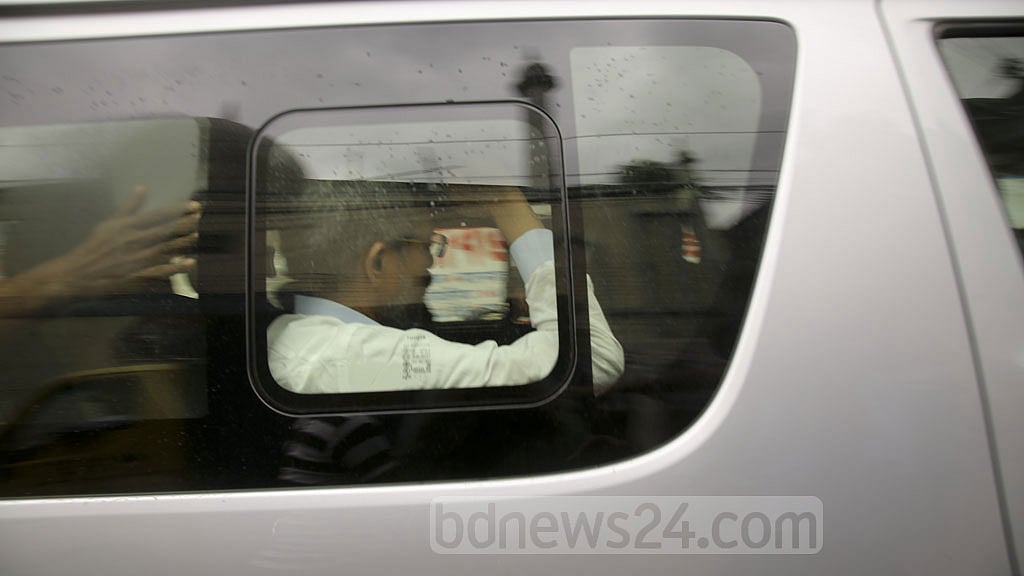
Chauffeur Mohammed Abdul Matin drove Hasina safely to Sudha Sadan in Dhanmondi through Doel Chattar, Shaheed Minar, Palashi, New Market and Pilkhana.
‘THEY SACRIFICED THEIR LIVES TO SAVE MINE’
Hasina shared her agony in an interview with the BBC the same day. “Our activists have saved my life by sacrificing theirs. They surrounded me while the grenades were exploding. Many of them were injured. My clothes are stained with their blood,” a tearful Hasina recounted.
“Terrorism is rampant across the country and it is being patronised by the government. Our rally was a protest against terrorism, which they (assailants) responded with grenades. The attackers targeted the spot I would go through to get in the car after finishing my address. There were eight to 10 grenades going off one after another. One or two of them can still be found undetonated. Many of our activists, including women, were killed. Almost all of the presidium members were injured.”
As members of her party sought to rescue the injured, help from the authorities were not forthcoming. Instead, police charged baton and fired tear gas at them, Hasina told the BBC.
“It was clear that police were acting on instructions from the government,” she said.