Published : 19 Nov 2026, 11:36 PM
Updated : 19 Nov 2026, 11:36 PM


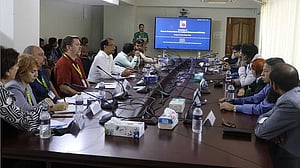
An expert team from the International Atomic Energy Agency (IAEA) has made five recommendations to strengthen Bangladesh’s preparedness for handling nuclear and radiological emergencies.
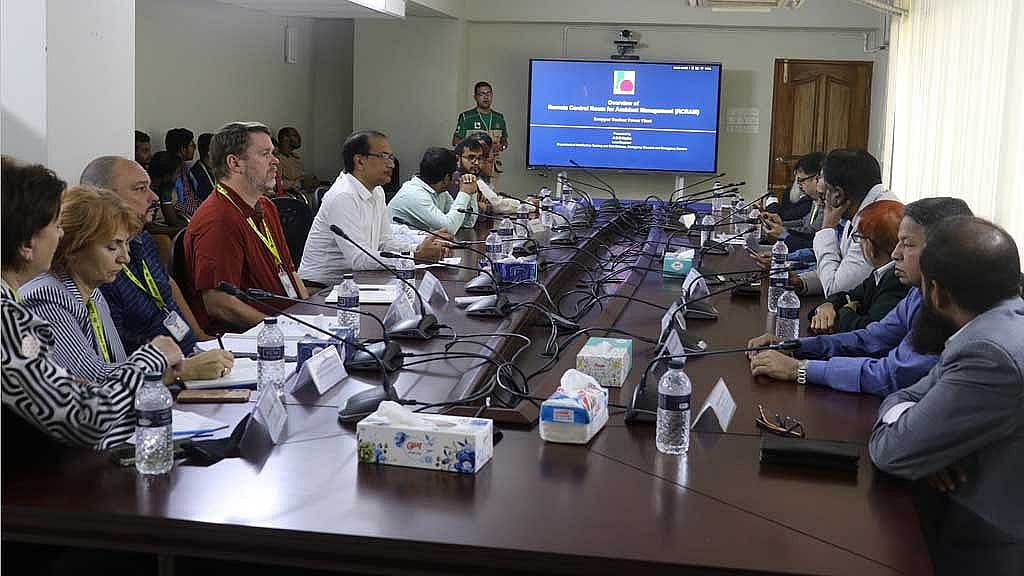
In a statement on Wednesday, the agency said these assessments were made following a 10-day Emergency Preparedness Review mission in Bangladesh, conducted from Nov 8 to 18.
The mission evaluated Bangladesh’s preparedness and capacity to respond to emergencies, based on the IAEA’s safety standards.
It advised integrating nuclear and radiological emergency response into the national framework for managing all types of disasters and emergencies.
They also emphasised the need to clarify the responsibilities of relevant agencies, strengthen radiation monitoring, and finalise a national protection strategy.
The mission was carried out at the request of the government and hosted by the Bangladesh Atomic Energy Regulatory Authority (BAERA).
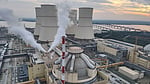
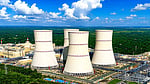
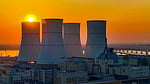
During their visit, the experts inspected the Rooppur Nuclear Power Plant and the Atomic Energy Research Establishment.
They held discussions with government agencies responsible for emergency response, national and regional police and rescue services, and representatives of the local administration.
The team highlighted positive developments, such as the establishment of a dedicated clinic for emergency services at Rooppur and the implementation of training programmes for firefighters.
Firefighters also have access to an advanced simulator that creates realistic emergency scenarios for training purposes.
What the IAEA Recommends
● The team advised integrating nuclear and radiological emergency response into the national system for managing all types of disasters and emergencies. They have recommended finalising emergency plans and operational procedures, from the national to the local level, and ensuring consistency among them.
● It called for better coordination among agencies, clearer responsibilities, stronger emergency response capacity, and a centralised command structure for issuing directives and implementing protective measures.
● The third recommendation suggested finalising a national safety strategy in alignment with international safety standards.
● The team also advised strengthening radiation monitoring, ensuring the protection of emergency responders and support personnel, and enhancing medical services, including medical assistance for first responders at the scene. It emphasised the need to improve public communication and the mechanisms for reporting emergency situations internationally.
● The fifth recommendation called for the implementation of a comprehensive programme of drills and evaluations covering all aspects of emergency response. It recommended conducting full-scale emergency drills at Rooppur to assess and improve the effectiveness of existing systems.
The review team was led by Mark Breitinger, head of the assessment and emergency response team at the US-based Argonne National Laboratory.
The team also included experts from Austria, Bulgaria, Canada, Indonesia, Latvia, Norway, Turkey, and the United States.
Breitinger noted that Bangladesh has demonstrated a firm commitment to strengthening its preparedness for nuclear and radiological emergencies, in line with the agency’s safety standards.
He observed an open and constructive attitude among all the agencies involved, and recommended maintaining coordination among these organisations and conducting regular drills to sustain this level of preparedness, the statement said.
BAERA Chairman Mahmudul Hasan said ensuring the highest standards of nuclear and radiological safety is their top priority as the country prepares to commission its first nuclear power plant at Rooppur.
Anwar Hossain, secretary of the Ministry of Science and Technology, said the government will develop an action plan to implement the mission's recommendations, which will define the responsibilities of the ministry, emergency service agencies, and local administrations, thereby strengthening national emergency preparedness in line with international standards.
On Tuesday, the first unit of the Rooppur Nuclear Power Plant began supplying electricity to the national grid on a trial basis.
The power plant, located in Pabna’s Ishwardi, consists of two units, each with a generation capacity of 1,200MW.