Published : 11 Oct 2026, 08:41 PM
Updated : 11 Oct 2026, 09:19 PM


A key milestone has brought Bangladesh’s Rooppur Nuclear Power Plant closer to generating electricity, with its first unit achieving a controlled nuclear reaction for the first time.
The process began at 3:34pm on Sunday, Md Zahedul Hasan, managing director of Nuclear Power Plant Company Bangladesh, told bdnews24.com.
Officials said all reactor parameters remained within prescribed limits after the reaction began.
However, several more stages of testing must be completed before the plant can generate electricity and supply it to the national grid.
Zahedul said, “After achieving criticality, all key reactor parameters remain within prescribed limits, and the entire process is being conducted under controlled conditions.”
He said the next stages would involve testing the reactor’s nuclear reactions and checking essential equipment and safety systems.
The reactor’s power level would then be raised gradually. Further tests and preparations must be completed before it can be connected to the national grid.
Grid synchronisation is the process of connecting a power plant’s generator to the national electricity grid.
Russian specialists, along with Bangladeshi engineers, scientists and experts from the Bangladesh Atomic Energy Regulatory Authority, were present when the reaction began on Sunday.
The secretary said the reactor remained stable after the reaction started, with readings from various systems being monitored.
Explaining the next steps, he said the nuclear reaction would generate heat, which would turn water into steam.
The steam would drive a turbine and generator to produce electricity. Several more rounds of testing would be required before the plant could reach this stage.
He said the tests must comply with the International Atomic Energy Agency’s safety guidelines and the regulatory authority’s requirements. Electricity generation and grid connection can proceed only after the necessary certificates and approvals have been obtained.
Asked when the plant might begin supplying electricity to the national grid, he said: “We are making every effort to bring it online as quickly as possible.”
He stressed that the work would proceed only after all safety requirements were met.
The earlier target had been to reach the designated stage by September, but a technical problem with a valve disrupted the schedule.
Efforts are now under way to complete the remaining tests and approval process as soon as possible.
However, no firm date has been set for the plant to begin supplying electricity to the national grid within this year, he said.
Earlier, on Thursday, the Bangladesh Atomic Energy Regulatory Authority (BAERA) authorised Unit 1 to advance from stage B-1 to B-2.
The approval cleared the way for the plant to proceed to the next phase following the start of controlled nuclear reactions.
BAERA Chairman Mahmudul Hasan told bdnews24.com at the time that testing would continue during the B-2 phase. Separate approvals would be required to advance to stages C and D.
On Oct 9, Zahedul said more than 300 tests had been completed on Unit 1 and the loading of nuclear fuel had finished.
Several further tests would be required after the nuclear reaction began. If they proved successful, the plant could move to the next stage towards electricity generation.
At that stage, the reactor’s power level would be raised gradually to 37 percent, producing enough heat to generate steam to drive the turbine and produce electricity.
Even once generation begins, however, the plant will not immediately be able to supply power to the national grid. Further testing and work to connect it to the grid must first be completed.
After BAERA granted its approval, project officials expressed hope that trial electricity supply to the national grid could begin in late December.
They estimated that trial operations at different output levels could continue for seven to eight months after grid connection.
However, the start of electricity generation will depend on the results of each test, the managing director of Nuclear Power Plant Company Bangladesh said.
Work on Unit 1 had previously fallen behind schedule after a technical fault developed in the safety valve of a key piece of equipment.
The fault was repaired with assistance from Russian specialists. After reviewing the safety test results, BAERA authorised the plant to advance to the next stage on Thursday.
Meanwhile, Rosatom Director General Alexey Likhachev assured Science and Technology Minister Fakir Mahbub Anam during a meeting in Moscow on Friday that trial electricity supply from Rooppur’s first unit to the national grid would begin as soon as possible.
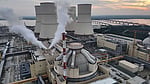
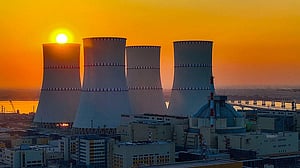
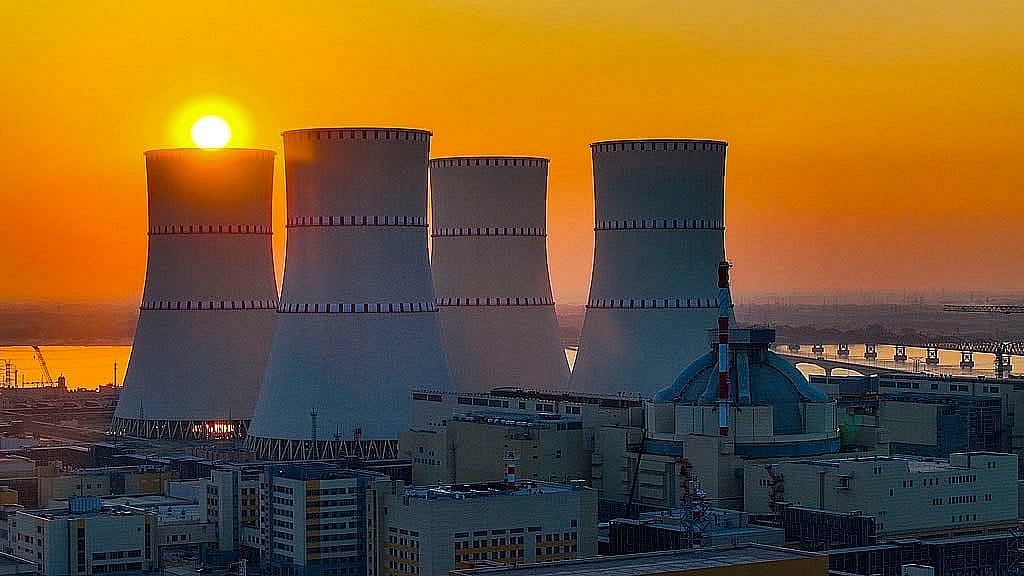
Bangladesh’s first nuclear power plant is being built in Pabna’s Ishurdi with technical and financial assistance from Russia.
Each of its two units has a planned capacity of 1,200MW, giving the plant a combined capacity of 2,400MW.
Once electricity from Rooppur enters the national grid, Bangladesh will join the ranks of countries generating nuclear power.
The project was originally scheduled to run until December 2025. Its deadline has been extended twice, to June 2028.
Although the contract with the contractor does not allow the project cost to rise because of the deadline extensions, the depreciation of the taka against the US dollar has increased the cost by about Tk 260 billion.
The project’s total cost is now estimated at Tk 1.39 trillion.