Published : 15 Dec 2025, 11:39 PM
Updated : 21 Aug 2026, 02:53 PM


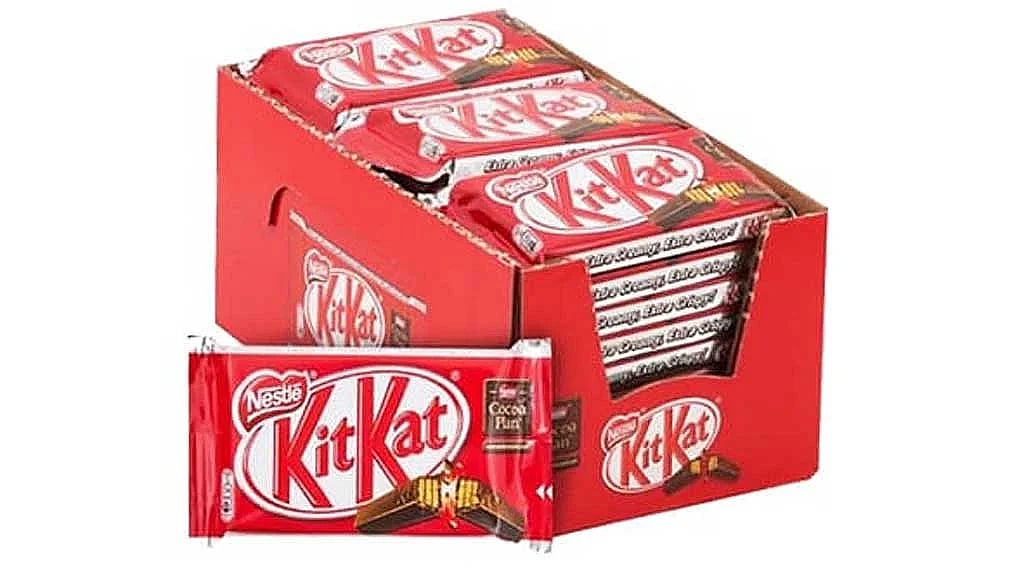
A Pure Food Court in Dhaka has ordered Nestlé, the Switzerland-based food and beverage company, to withdraw a batch of KitKat chocolate from the Bangladesh market, declaring it “unsafe for public consumption”.
The order follows a petition filed by Kamrul Hasan, a food safety inspector at Dhaka South City Corporation, citing government laboratory test results identifying the KitKat 4 Finger Chocolate Wafer batch as substandard.
Special Metropolitan Magistrate Nusrat Sahara Bithi passed the order on Monday.
On Nov 24, the court had ordered the arrest of two senior Nestlé Bangladesh officials after a case was filed against them based on the laboratory findings.
The suspects -- Deepal Abeywickrema, managing director of Nestlé Bangladesh Limited, and Riashad Jaman, public policy manager -- appeared in court at Nagar Bhaban under an eight-week bail order from the High Court.
“The unregistered, unapproved, uncertified, and substandard chocolate poses a risk to public health,” Kamrul said. He added Nestlé was directed to pull the chocolate from the market by Jan 21, 2026, and report back on the same day.
Kamrul told the court that controlling adulterated and unsafe food necessitated withdrawing the product. He also applied for a ban on import and marketing of KitKat chocolate, but the court took no action on that request.
The case was filed on Nov 24. The batch in question was produced in the UAE in May 2025 with an expiry date of April 2026.
GOVT TEST FINDINGS
Tests examined the wafer and chocolate coating separately. The wafer biscuit showed 2.32 percent acidity, above the permitted maximum of 1 percent under Bangladesh Standards and Testing Institution (BSTI) regulations. Kamrul said high acidity indicates decomposition, suggesting the food is spoiled.
The chocolate coating contained 9.31 percent milk solids, below the approved 12–14 percent range, and milk fat of 1.23 percent, under the 2.5–3.5 percent standard. Kamrul noted that these deficiencies imply the absence of milk in a product marketed as a dairy food.
Nestlé Bangladesh contested the case on Nov 25, claiming authorities did not review documents or consult the company before seeking arrest warrants. The company added that accredited international labs found the product within acceptable limits and that BSTI has no specific standards for chocolate-coated wafers.
Separately, the court on Dec 7 jailed a Nestlé distributor linked to a different case filed on Nov 3. Government testing of a sample from the distributor revealed 9.12 percent milk solids and 1.16 percent milk fat in the KitKat chocolate.
Court sends suspect to jail over supplying ‘substandard’ KitKat chocolate