Published : 08 Dec 2025, 01:27 AM
Updated : 21 Aug 2026, 02:51 PM


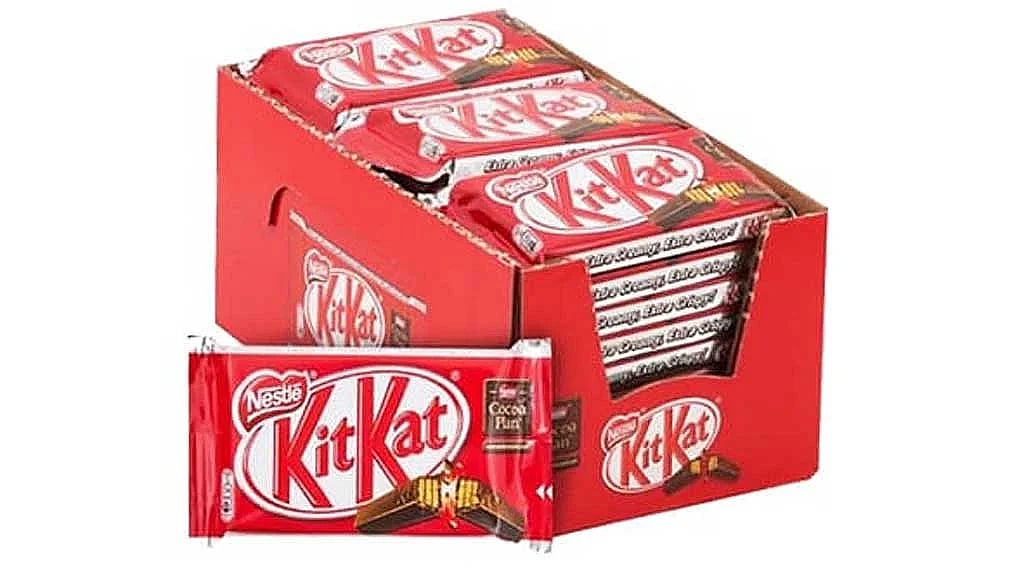
A Dhaka court handling food fraud cases has sent a suspect to jail in a case filed for marketing KitKat chocolate that reportedly came out substandard in a government laboratory test.
The court of Special Metropolitan Magistrate Nusrat Sahara Bithi sent Mozammel Hossain, a supplier, to jail on Sunday after he was produced before it. The court rejected Mozammel’s bail plea.
Dhaka South City Corporation’s Food Safety Inspector Kamrul Hasan confirmed the matter.
Police arrested Mozammel, owner of Sumaiya Enterprise, a marketer of the Nestlé-produced KitKat chocolate bar, from Moulvibazar.
The court had earlier issued an arrest warrant against Mozammel on Nov 3 after the case against him was filed.
“The suspect did not cooperate with us despite repeated requests,” said Kamrul, who filed the case against Mozammel.
Kamrul had collected Mozammel’s name from a Fakirapul Bakery named Amania and tested samples supplied by him at the city corporation’s laboratory.
Milk solids in the tested KitKat milk chocolate were found to be only 9.12 percent, below the BSTI standard of 12–14 percent.
The chocolate’s milk fat was measured at 1.16 percent, against the permissible 2.5–3.5 percent.
The food inspector earlier said low milk solids suggest food adulteration, while reduced milk fat could indicate substitution with oil or vegetable fat.
On Nov 24, a fresh case was filed against the managing director of Nestle Bangladesh Limited, its public policy manager for producing, importing and marketing substandard food products.
The same court issued an arrest warrant against the duo. None of them, however, have been arrested.
The latest case was filed following a test that found chocolate-coated wafer, produced by KitKat, to be substandard. According to the case, the wafer biscuit contained 2.32 percent acidity against the permitted level of a maximum of 1 percent.
Chocolate used in the coating contained 9.31 percent milk solids against the approved range of 12 to 14 percent. Milk fat content in the same product was measured at 1.23 percent, below the approved limit of 2.5 to 3.5 percent.
High acidity indicates decomposition, said Kamrul, or simply implies that the food is rotten.
The presence of lower milk solids and milk fat than the standard limit indicates the absence of milk in the food, which is marketed as a dairy product, the food inspector said.
Nestlé Bangladesh, however, challenged the basis of the criminal case, saying authorities acted without reviewing documents or consulting the company before seeking arrest warrants for the two senior officials.