Published : 26 Dec 2022, 09:19 AM
Updated : 05 Feb 2023, 04:41 PM


To most people, comic books are largely unrealistic fantasies about men in weird costumes fighting crime. In other words, something for kids. But comics aren’t just about superheroes, the medium has a broad range of art and expression, including much that appeals to adults.
Comics are enjoyable reads. In particular, the use of images that depict and visualise brings stories to life in unique ways. But, due to the popularity of superheroes and supervillains, the entire form is often thought of as children’s entertainment. It’s true that much of the initial target audience for comics was kids, but people of other ages read comic books too.
During World War II, which coincided with the Golden Age of Comics (1938-1956), American soldiers carried comic books in their packs. After all, the heroes of these comics – from Batman to Sheena the Jungle Queen to Captain America – were fighting the Nazis, just as they were. To those on the frontlines, these comics brought a sense of relief and kept morale high. Even back then, comics held interest for adult readers.

Over time, as the world experienced horrific warfare and transforming social values, these changes were reflected in comic books. After all, any art form, literary or on canvas, reflects the society we live in. Accordingly, comic books began to delve further into topics of injustice, corruption, heroic failure, and defiance against the law, opening a new platform for social commentary. Despite these changes and the strength and popularity of the medium, it’s still a widely accepted notion that comic books offer no in-depth understanding of how the world works.
But comics have been telling stories about the real world for a long time. The X-Men mirror racial tensions and the struggles of minorities, I Am Alfonso Jones by Tony Medina focuses on police brutality and the Black Lives Matter movement, and Marvel’s Black Panther addresses institutional racism by proving that superheroes could be of any and all colours and many more.
Many comic book stories of today reflect society’s rapidly shifting nature and pressing societal issues, while also being thought-provoking and empowering. There are comics that address difficult subjects like sorrow, growing up, and other more mundane aspects of life. In this popular medium, these difficult subjects can sometimes be represented with poignancy.
My comic book journey started when I began reading Archie comics in school. Slowly, I moved on to comics by DC, Marvel, Image, and Valiant. I grew particularly attached to DC’s Vertigo imprint, which featured serious, mature content for older readers. Several of these titles, like The Sandman, Swamp Thing, and Preacher, have recently been adapted to TV with varying success.
The reason why I liked reading comic books was that they portrayed heavy, sensitive real-world issues through a fictional narrative, making them easier to stomach. The idea of a world where billionaires used their resources to fight crime in secret was appealing. Although it might not be evident at first, characters like Bruce Wayne, Frank Castle, Princess Diana, Hal Jordan, Logan, and Matt Murdock, reflect human struggles, social values and injustices in multi-faceted ways.
So, when I started studying literature during my undergrad, I wanted to explore these stories in more depth. Sadly, the literary texts we were asked to focus on were limited to classics, such as the work of Shakespeare and Francis Bacon. Even though I wanted to write papers on comic book characters or narratives, the lack of existing analysis posed a challenge.
Yes, Shakespeare is timeless. But the way his plays reflect human emotions and values is particular to his time and culture. Some of these things can be difficult for the modern reader in the 21st century to relate to.
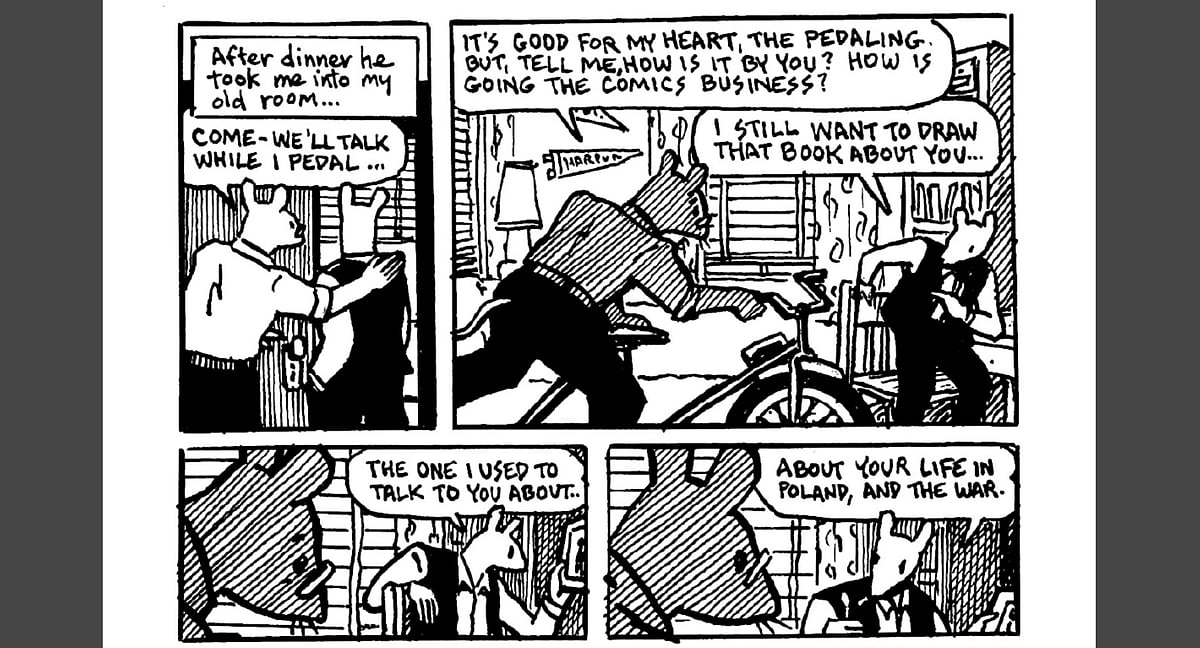
Stories like those in Maus, The Watchmen, V for Vendetta, and Superman: Son Of Kal-El, reflect issues closer to the modern day like generational guilt and trauma, the dangers of a conservative society, bigotry, or giving space to minority gender communities. These narratives often reject or complicate values of unconditional heroism, love and gratitude, social acceptance and morality, and tend to focus more on characters who are flawed and, at times, do questionable things. These elements bring these stories closer to the 21st-century reader.
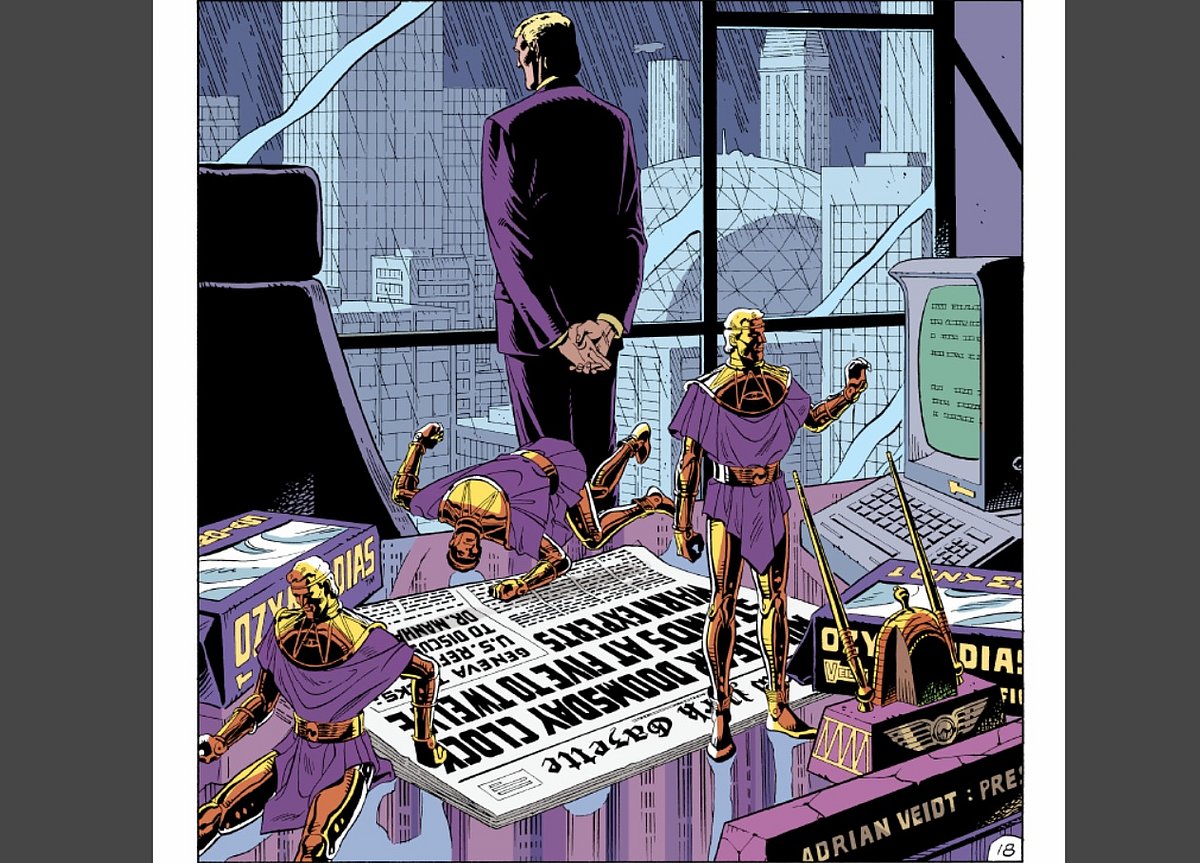
Graphic novels like The Watchmen and V for Vendetta have gained recognition for their social satire, similar to the work of George Orwell. The dystopian and modern outlook on life is also more relatable. Given the society we live in, and the existential and nihilistic emotions we often feel, these worlds and their tales feel closer to us. While there is a lack of scholarly research and institutional emphasis on studying comic books, there is significant substance to be explored.
But this does not mean that comics are only serious po-faced explorations of the human soul. For youngsters, child-friendly comic books like Tiny Titans, Scooby-Doo Team-Up and Uncle Scrooge expose them to the habit of reading and enriching their vocabulary. The images and colours brighten the reading experience, making it easier for those who see it more as a chore instead of something they enjoy.
For adults, reading comics engages them on a level that transcends the page. The process is dynamic. Text and images combine in ways that give the audience the chance to fill in the spaces between panels and speech bubbles. These elements leave a wide canvas open to interpretation.
Additionally, readers also take into account the colours, visual cues, the composition of scenes, and placement of objects and other features. These components collectively can evoke the impression of time passing, the narrative space, noises and action. Comics can also open the door to a deeper comprehension of metaphors, symbolism, and points of view as the reader's inference abilities and visual literacy advance.
Comic books are a unique medium which can engage and motivate readers in distinctive ways and provide new avenues to explore society, humanity and social commentary. Once you start reading, it’s easy to get immersed in the pages. I’d recommend everyone give reading comics a try because there is certainly more to them than meets the eye. Whether you are looking for serious literature, virtuosic artistry or simple entertainment, these pages contain vast worlds to explore.
In the magical words of Dr Seuss, “Oh, the Places You’ll Go!”
This article was written for Stripe, bdnews24.com's page for youth perspectives on society and culture.