Published : 10 May 2019, 12:11 AM
Updated : 17 Oct 2022, 11:39 AM


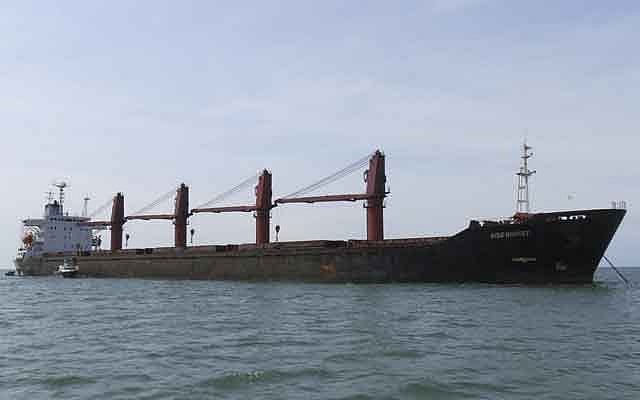
Prosecutors said the carrier ship, the Wise Honest, was being used to export North Korean coal, a critical sector of the North’s economy that the United States and the United Nations have aggressively imposed sanctions on in an effort to force Pyongyang to end its nuclear weapons program. The ship was also being used to import heavy machinery.
It was the first time the United States has seized a North Korean cargo vessel for international sanctions violations, the Justice Department said. The Wise Honest is the second-largest cargo ship in Pyongyang’s fleet.
“This sanctions-busting ship is now out of service,” said John C. Demers, head of the Justice Department’s national security division. The complaint was filed in US District Court in Manhattan on Thursday by the US attorney’s office for the Southern District of New York.
The civil action came as North Korea’s weapons tests over the past several days have threatened the disarmament discussions that President Donald Trump opened. Trump and the North Korean leader, Kim Jong Un, abruptly ended their second meeting earlier this year when Trump refused to ease sanctions unless the North dismantled all of its nuclear weapons.
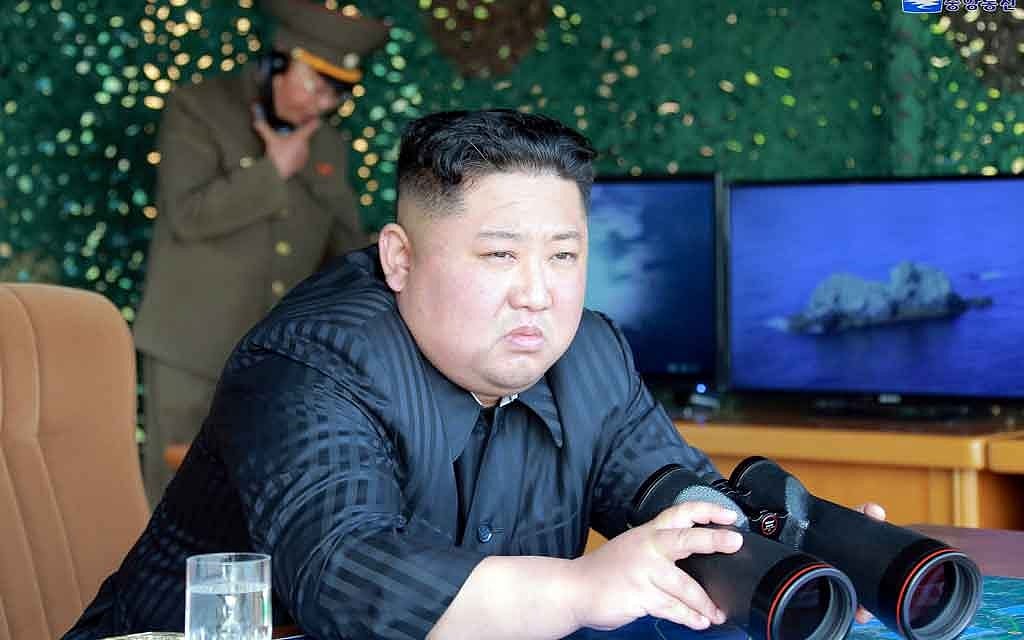
North Korea's leader Kim Jong Un supervises a "strike drill" for multiple launchers and tactical guided weapon into the East Sea during a military drill in North Korea, in this May 4, 2019 photo supplied by the Korean Central News Agency (KCNA). KCNA via REUTERS
Prosectors said the ship was used in a North Korean scheme to export tons of coal to foreign countries and to import heavy machinery in violation of international sanctions.
Three US banks were unwittingly ensnared in the scheme, officials said, transmitting payments around the world for maintenance, equipment and improvement of the shipping vessel. The Wise Honest’s coal haul from March 2018 drew payments of more than $750,000 through accounts at one of the banks, the complaint said.
“With this seizure, we have significantly disrupted that cycle,” said Geoffrey S. Berman, the US attorney in Manhattan.
Indonesian authorities detained the ship in April 2018 after it was photographed at a North Korean port, loading onto the ship what prosecutors said appeared to be coal. When the ship travelled to Indonesia, it tried to conceal details about its location by disabling its Automatic Identification System. The ship’s signal had been turned off since August 2017.
The UN Security Council has imposed five rounds of sanctions against North Korea since early 2016, when Pyongyang conducted its fourth nuclear test. China and others argued at the time that the sanctions would disproportionately affect ordinary North Koreans and could backfire.
© 2019 New York Times News Service