Published : 10 May 2022, 09:13 AM
Updated : 18 Jul 2022, 02:52 PM


"We've addressed it directly with theTaliban," State Department spokesperson Ned Price said in a briefing onMonday. "We have a number of tools that, if we feel these won't bereversed, these won't be undone, that we are prepared to move forwardwith."
He did not elaborate on the possible steps orindicate how the group, which has already implemented policies curbing 20 yearsof gains for girls' and women's rights, might have a change of heart.
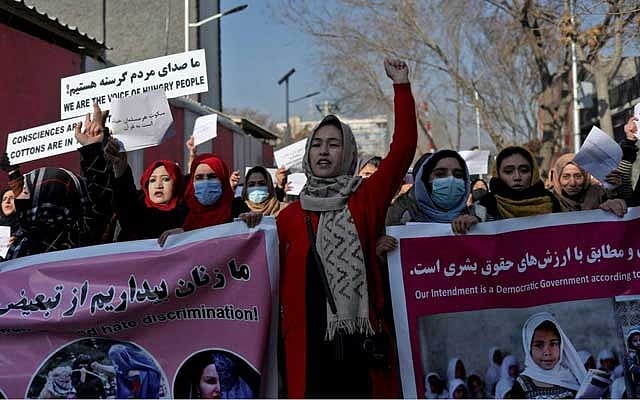
The Taliban on Saturday ordered women to covertheir faces in public, a return to a signature policy of their past hardlinerule and an escalation of restrictions that are causing anger at home andabroad.
The ideal face covering was theall-encompassing blue burqa, the group said, referring to the garment that wasobligatory for women in public during the Taliban's previous 1996-2001 rule.
The international community has made the educationof girls a key demand for any future recognition of the Taliban administration,which took over the country in August as foreign forces withdrew.
Despite that, the Taliban has restricted girlsand women from working and limited their travel unless accompanied by a closemale relative. Most girls were also barred from going to school beyond seventhgrade.
"We've consulted closely with our alliesand partners," Price said. "There are steps that we will continue totake to increase pressure on the Taliban to reverse some of these decisions, tomake good on the promises that they have made."
A key piece of leverage held by Washingtonover the group is the $7 billion in frozen Afghan central bank assets on USsoil - half of which the Biden administration is seeking to free up to help theAfghan people, the administration has said.
The United States and other countries havealready cut development aid and sanctioned the banking system since the grouptook over, pushing Afghanistan toward economic ruin.
US Special Representative for Afghanistan TomWest expressed "deep concern" over the Saturday decision in a seriesof tweets, while the US Ambassador to the United Nations LindaThomas-Greenfield said it was an "unconscionable" move.
Most women in Afghanistan wear a headscarf forreligious reasons but many in urban areas such as Kabul do not cover theirfaces.