Published : 07 Dec 2013, 04:43 PM
Updated : 20 Oct 2022, 03:42 PM


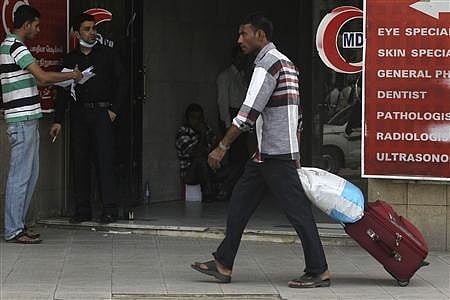
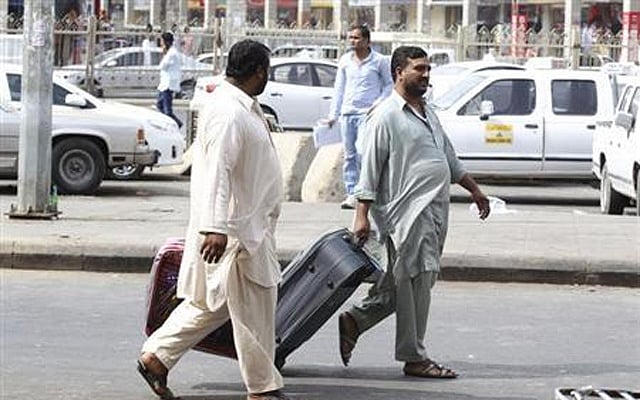
These communities account for around a third of the country’s 30 million population and constitute the bulk of its workforce.
Saudi Arabia is the world’s second biggest source of remittances, only behind the US, with outflows of nearly US$28 billion last year, according to estimates by the World Bank.
“Millions of dollars of Saudi flows will vanish, impacting the poorest areas of eastern Africa,” says an official at a regional development agency.
Saudi analysts expect the crackdown on illegal workers to reduce remittance flows by nearly a quarter next year, or about US$ 7 billion.
At home, the exodus of illegal workers is being seen as the Kingdom’s most radical labour market experiment yet.
With one in four young Saudi males out of work, analysts applaud Riyadh’s determination to tackle the problem, but doubt the crackdown will achieve its objective, as Saudi nationals are unlikely to apply for menial jobs.
Overseas, the deportation is causing friction between Riyadh and the East African and South Asian countries that traditionally have provided Saudi Arabia with the bulk of low-wage workers that for decades have fuelled its economy.
Ethiopia, Yemen, Somalia and several other countries are struggling to absorb the thousands of unemployed young men now returning, with development officials worrying about the impact on remittances.
But this will also impact on India, Pakistan and Bangladesh, who have send tens of thousands to work in the Kingdom.
Riyadh has defended the expulsions, saying illegal expatriates have had months to legalise their status.
The Kingdom, which shares 1,800km of porous, mountainous borders with Yemen, had for years complained that the Yemeni government was not doing enough to stop illegal immigrants, drug dealers, armed militants or members of Al-Qaeda from crossing into the Kingdom.
General Mansour Al Turki, the interior ministry’s spokesman said that last month Saudi Arabia stopped 50,000 illegal immigrants, most of them Yemenis, Ethiopians and Somalis, trying to cross the Yemeni borders into the Kingdom.
But many more succeeded.
“We are not targeting specific nationalities, we respect all people who are legal residents of the country, but we have a serious situation on the borders with Yemen,’’ he said. “If we do not give a clear sign that even if they cross the border they will be returned, we will be encouraging the smugglers in Africa to keep bringing them here.”