


Published : 30 Dec 2019, 11:28 AM
Updated : 08 Apr 2022, 02:34 PM


The repeated bombing and shelling of these sites has led relief group leaders to openly criticise the United Nations over the system, which is meant to provide warring parties with the precise locations of humanitarian sites that under international law are exempt from attack. Some of these groups have described the system of identifying and sharing sites, known as the “humanitarian deconfliction mechanism,” as effectively useless.
A new offensive by Syrian and Russian forces that began in late December has devastated what remains of several towns in northwestern Syria and caused tens of thousands of civilians to flee.
UN officials only recently created a unit to verify locations provided by relief groups that managed the exempt sites, some of which had been submitted incorrectly, The Times found. Such instances of misinformation give credibility to Russian criticisms that the system cannot be trusted and is vulnerable to misuse.
“The level and scale of attacks has not really decreased,” said Dr Mufaddal Hamadeh, the president of the Syrian American Medical Society, which supports more than 40 hospitals and other sites in insurgent-held areas of northwestern Syria. “We can say categorically that in terms of accountability, in terms of deterrence, that doesn’t work.”
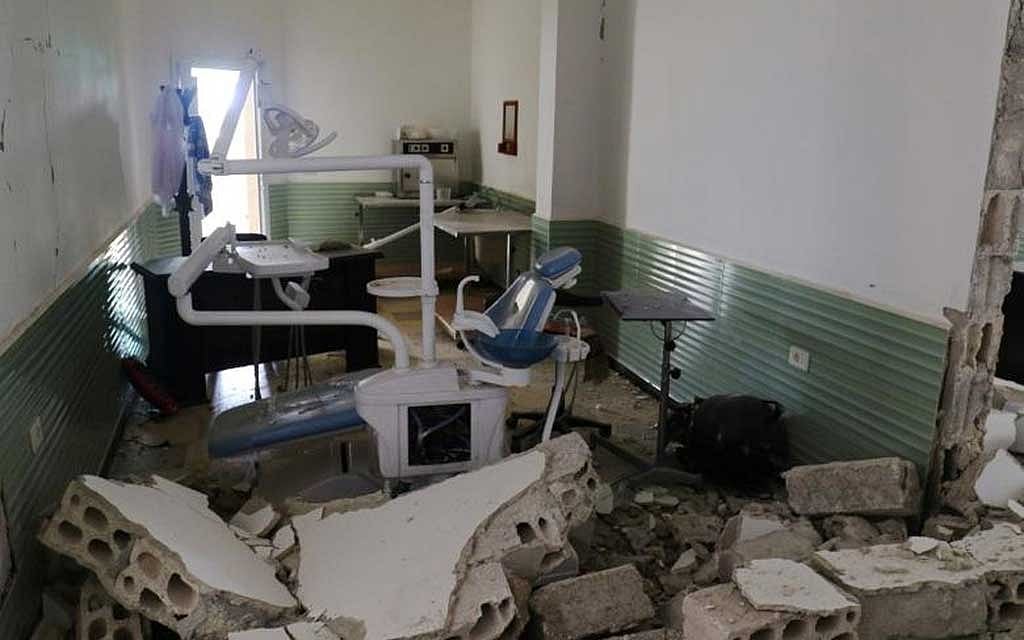
The Times compiled a list of 182 no-strike sites by using data provided by five relief groups and compiling public statements from others. Of those facilities, 27 were damaged by Russian or Syrian attacks since April. All were hospitals or clinics. Such a list is likely to represent only a small portion of the exempt sites struck during the Syrian war, now almost nine years old.
Under international law, intentionally or recklessly bombing hospitals is a war crime.
The forces of President Bashar Assad of Syria, alongside their Russian allies, have acted as if the deconfliction system did not exist. Local journalists and relief groups have recorded at least 69 attacks on no-strike sites since the Russian military intervention to help Assad began in October 2015, all but a few of them most likely committed by Russian or Syrian forces.
© 2019 New York Times News Service













