Published : 29 Nov 2026, 06:28 PM
Updated : 29 Nov 2026, 06:28 PM


The war in Yemen could end "tomorrow" if the Iran-aligned Houthis agree to a UN-backed peace plan, but the Saudi-led coalition will sustain military pressure for as long as needed to bring them to the negotiating table, coalition spokesperson Major General Turki al-Maliki said.
In an interview with Reuters, Maliki said Riyadh had drawn a "red line" around the Yemeni government's interim capital Aden, warning that the coalition would do "whatever it takes" to protect the port city as Houthi fighters push within striking distance.
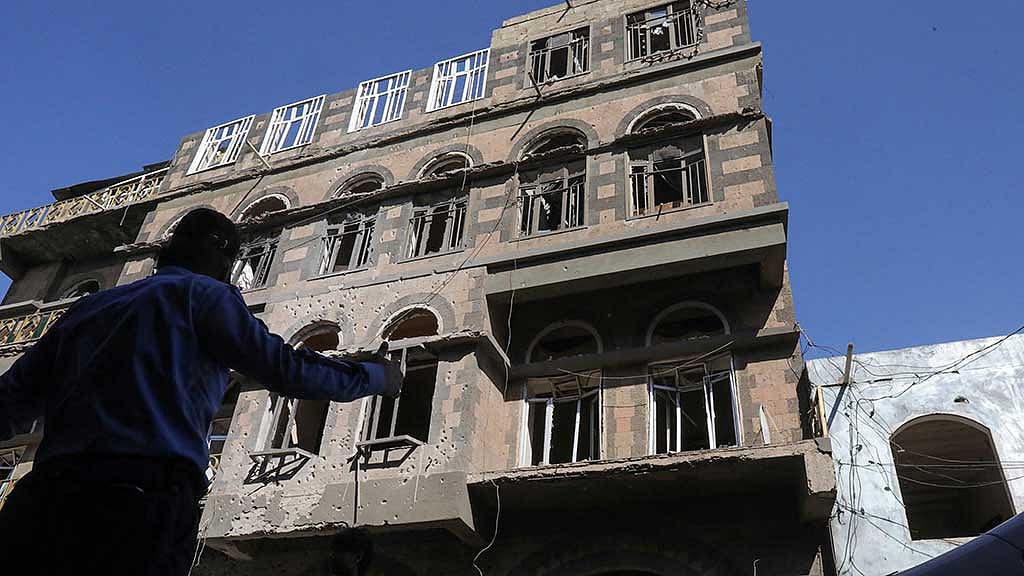
The escalating conflict has re-emerged as the fiercest front in the wider Iran war, killing thousands and displacing hundreds of thousands of people in Yemen, while Saudi Arabia faces weekly attacks on landmarks, including office tower blocks in Riyadh.
Houthi strikes against civilian and economic targets, alongside disruptions to international shipping in the Red Sea, threaten the kingdom's push to attract foreign investment and successfully host major international events such as World Expo 2030.
Continuous Support
But, as Reuters reported earlier this month, Riyadh is preparing for the war to stretch well into next year.
The Houthis have thwarted the Saudi-backed Yemeni government's initial goal of fighting its way to Houthi-controlled Sanaa. The government's efforts are now focused on defending its own interim capital, Aden, and breaking a Houthi siege of another city, Taiz.
"The best solution is the political solution. But we have to support the Yemeni government to achieve their objective," Maliki said.
"If the Houthis decided to go for the roadmap with the Yemeni government, the war can end ... tomorrow," he said, referring to a UN-backed peace plan.
Until then, Maliki said, the coalition would rely on military force to impose costs on the group and compel a change in behaviour. It is providing continuous, 24-hour close air support to Yemeni units on the ground and degrading Houthi capabilities to threaten Saudi cities, he said.
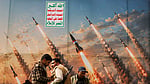
"We are achieving the objective to dismantle and to destroy the TBMs (theatre ballistic missiles) and also the launchers and some of the components of the ballistic missiles and UAVs," he said.
The Houthis have demanded that Saudi Arabia withdraw its support for the Yemeni government -- which the kingdom trains, arms, funds and partially hosts in Riyadh -- lift restrictions on air and sea ports, and provide financial compensation.
Command Gaps
Saudi Arabia first intervened in Yemen in 2015 at the helm of an Arab coalition to restore the internationally recognised government, after the Iran-aligned Houthis seized the capital, Sanaa.
Following years of bloody conflict, a 2022 ceasefire largely held until fighting restarted earlier this year.
Since the collapse of the truce, the Houthis have seized key stretches of the Red Sea coast near the Bab al-Mandeb strait and encircled the highland city of Taiz. Houthi forces are now positioned roughly 60km (37 miles) from Aden.
Despite recent government losses -- including a pullback in November from positions around the Bab al-Mandeb strait to reinforce Aden -- Maliki rejected the notion that Saudi ground troops could be committed to Yemen to help turn the tide of the war.
"They don't have to bring another army from outside," Maliki said, stating that Yemeni government forces possess the necessary numbers, tribal support and military capability.
Saudi troops were stationed on the kingdom's southern border to prevent any Houthi incursion into Saudi territory, he said, without confirming whether there had been such attempts during the current conflict. "We will do whatever it takes to destroy anything close to our borderline."
Instead, Maliki said the coalition was actively working with the Yemeni military to resolve internal coordination issues.
He said the Yemeni government acknowledged "some gaps happened two times in the last three months" on the battlefield, expressing hope that the Yemeni army would "put things together and correct the tactical or the little mistakes happen here and there."
'No Shortage' of Interceptors
Maliki dismissed reports that Saudi Arabia was facing a depletion of its air defence interceptor stockpiles.
"We are buying our weapons. It goes through government-to-government agreement, and we don't have a shortage," Maliki said. "I assure (you) that we have the capability to defend our country."
Riyadh-based think-tank the Gulf Research Center put the Saudi interception rate at more than 92 percent by October. But attacks on landmarks such as the headquarters of the Saudi sovereign wealth fund in Riyadh's business district have undermined the kingdom's attempts to market itself as a safe regional hub.
Asked how Saudi Arabia's army -- built up with hundreds of billions of US dollars of investment over decades -- was unable to stop more attacks from a group that not long ago was a militia in the mountains of Yemen, Maliki characterised Houthi strikes on the kingdom as acts of terror against civilian targets.
"What the Houthi is doing is (not) a military operation. He's doing a terror act against, you know, civilians and civilian objects. And everybody can do that," he said.
"If you are not respecting the laws of armed conflict, you can do whatever you like. And I say that the challenge is that we are dealing with ... a terrorist group."