Published : 13 Mar 2026, 05:56 PM
Updated : 21 Aug 2026, 03:28 PM


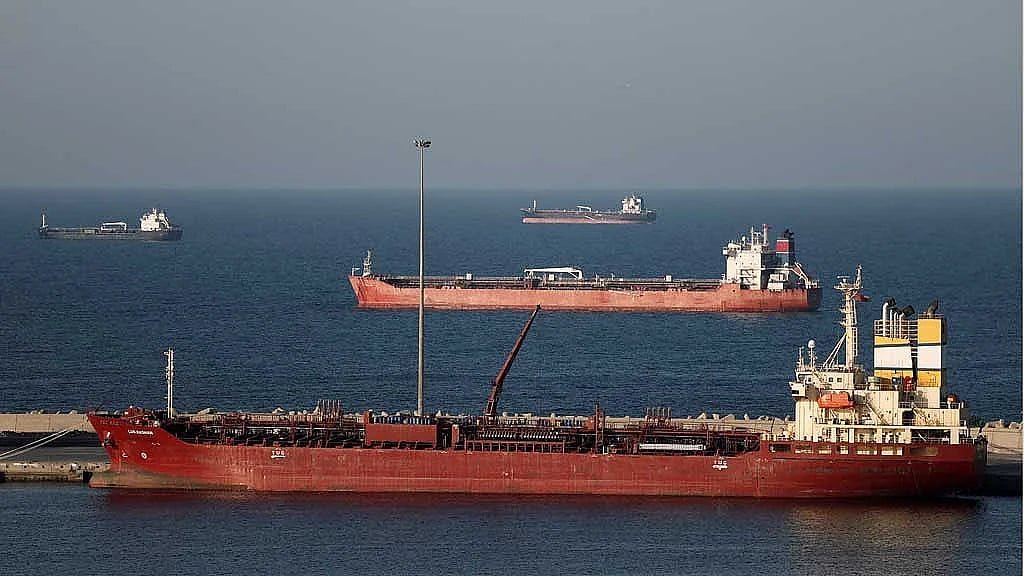
The war in Iran has sent shockwaves through global oil markets, triggering a fuel crisis as the Strait of Hormuz -- one of the world’s most critical energy corridors -- remains effectively closed to oil tankers.
As of Thursday, the disruption has led to supply shortages and sharp price increases, forcing governments around the world to ration energy, release reserves and seek alternative supplies.
United States
According to a report published by CNN, the United States, which has long pressured countries to avoid purchasing Russian energy, has issued a new licence allowing the temporary purchase of certain Russian oil products.
Australia
Australia has begun releasing 762 million litres of petrol and diesel from its strategic reserves to ease supply shortages, particularly for farmers in rural areas. Authorities have also temporarily relaxed fuel quality standards, allowing petrol with higher sulphur content to be blended with domestic supplies.
Japan
Japan has announced plans to release 80 million barrels of oil from its reserves as early as Monday. Prime Minister Sanae Takaichi said the move represents about 45 days’ worth of the country’s total strategic stockpile of 254 days.
South Korea
South Korea has imposed a cap on oil prices for the first time in nearly three decades. According to the country’s energy ministry, the price of regular gasoline has been fixed at 1,724 Korean won -- about $1.17 -- per litre.
India
India, the world’s most populous country and a major importer of liquefied petroleum gas (LPG), has invoked emergency powers to redirect fuel supplies away from industrial users in order to ensure that households continue to receive essential energy supplies.
Bangladesh
Authorities in Bangladesh have urged millions of residents to reduce electricity consumption by lowering air-conditioning use, switching off unnecessary lights and avoiding travel for meetings.
Pakistan
Pakistan has introduced sweeping austerity measures to conserve energy, including school closures and encouraging work-from-home policies.
North Korea
North Korea’s already fragile fuel supply could face further strain. The country relies heavily on limited supply routes from China and Russia, leaving it vulnerable if global energy prices continue to rise.
Spain, Norway and China
Countries such as Spain, Norway and China may be better positioned to weather the crisis as large-scale investments in renewable energy begin to yield results.