


Published : 30 Dec 2016, 02:00 AM
Updated : 19 Oct 2022, 05:36 PM


But on Dec 21, the US apparently lost its patience with its long-term ‘ally and friend’, according to an article published in The Washington Post.
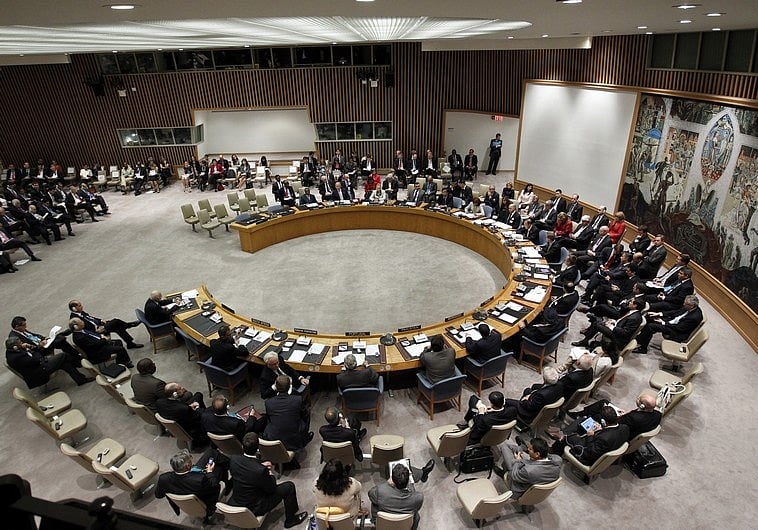
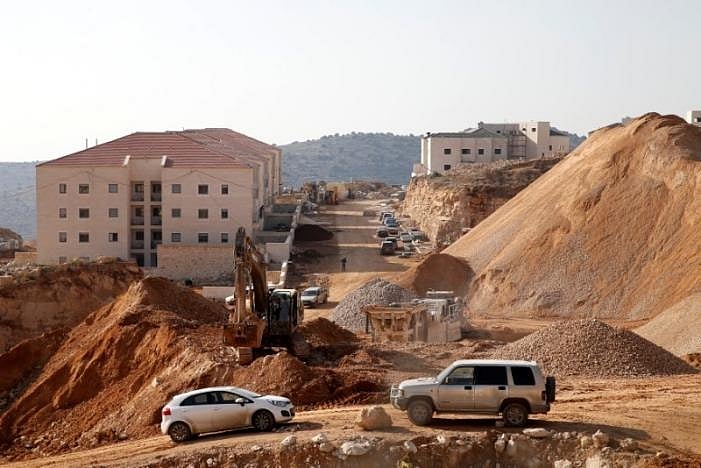
In a dramatic departure from eight years of policy, the Obama administration decided to do that unheard-of action of abstaining from blocking the UN resolution condemning its settlements on Palestinian territory, allowing it to pass easily.
It was the first time in nearly 40 years that the Security Council has passed a resolution critical of Israeli settlements.
The Israeli reaction was predicable but the foreign affairs pundits were more interested to know how the stunning diplomatic rebuke of Israel by US came.
An intense flurry of diplomacy unfolded in the two days before the vote, The Washington Post article says.
The Obama administration wanted to put the Israeli-Palestinian peace deal back on the international agenda before it leaves office less than a month’s time, The Washington Post reported quoting the senior officials who were part of the process in reaching the decision of abstention.
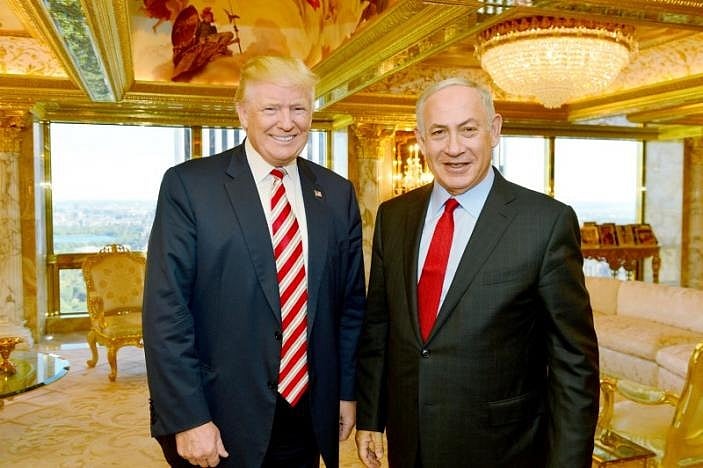
The first public hint of such a move came in the heat of the US presidential campaign in September, just after nominees Donald Trump and Hillary Clinton held meetings with Benjamin Netanyahu in New York.
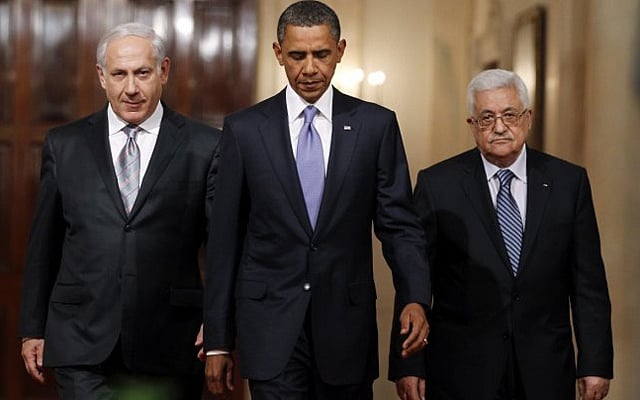
Dan Shapiro, US ambassador to Israel, said in an Israeli television interview that President Barack Obama was “asking himself” about the best way to promote a two-state solution to the Israeli-Palestinian conflict, the report said.
Obama was open to abstaining, he said on the call, provided the measure was “balanced” in its censure of terrorism and Palestinian violence and there were no last-minute changes in the text.
The rapid increase of Israeli settlements in the West Bank and East Jerusalem, despite escalating US criticism, could very well close the door to any hope of negotiating side-by-side Israeli and Palestinian states, the newspaper reported.
The resolution’s sponsors, four countries in addition to Egypt, were determined to call a vote before Obama left office.
The Palestinians and Egypt, which currently holds the rotating Arab seat on the Security Council, had been talking up a new resolution on settlements since the summer.
At the same time, New Zealand, which had withheld a previous measure at the United States’ request, had written a new draft, according to The Washington Post.
The officials categorically denied Israeli allegations this week that the United States secretly pushed the resolutions.
The officials also denied that Biden, in two mid-December calls to Ukrainian President Petro Poroshenko, had urged a “yes” vote in the council.
Finally, the Egyptian draft, tweaked with help from Britain, was submitted to the council on Dec. 21.
As often happens when competing and overlapping resolutions circulate, New Zealand and co-sponsors Malaysia, Senegal and Venezuela decided to drop their version and support the nearly identical Egyptian resolution in order to cut short prolonged negotiations and push for a vote.
“The United States did not draft or originate this resolution. Nor did we put it forward,” Kerry said in a speech Wednesday. “It was drafted by Egypt . . . which is one of Israel’s closest friends in the region, in coordination with the Palestinians and others.”
The final text was carefully drawn to use identical, or near-identical, language to resolutions dating to the 1970s on Israel and the Palestinians that the United States had previously approved, the newspaper said.
“We wanted to see Security Council action,” said a diplomat from one of the sponsors. “We wanted the international community to reaffirm the two-state solution.”
“We wanted to do it; it’s a very important issue for us,” said another diplomat, who said there had been “no conversation” with the United States about the subject. “I didn’t see the US play any role at all,” The Washington Post quoted an official as saying.
In the meantime, however, Egypt came under sharp pressure from Israel — which frequently supports US military aid to Cairo, had withdrawn its resolution. A scheduled 3pm vote was canceled.
Under Security Council rules, co-sponsors can still put the resolution forward, which is what New Zealand and the others did Friday, when the council reconvened for a vote.
At the time, according to several diplomats, few – if any — knew how the United States would vote.













