Published : 08 Mar 2026, 01:46 AM
Updated : 21 Aug 2026, 03:26 PM


Two influential and hardline Iranian clerics have called for the swift selection of a new supreme leader to help guide the nation amid a new wave of US and Israeli strikes, Iranian media reported on Saturday.
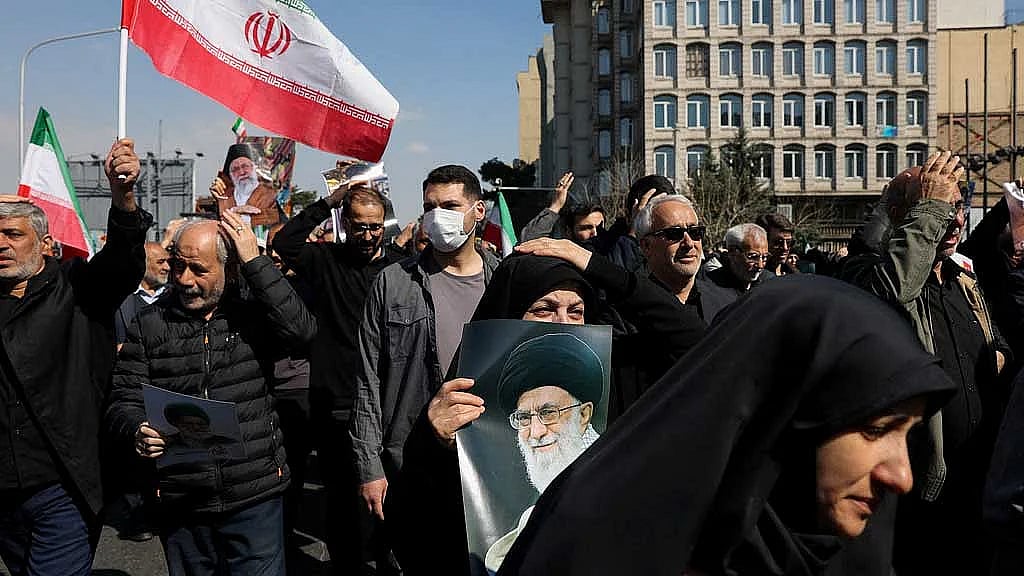
The calls by the clerics suggest that at least some in the clerical establishment are uncomfortable with leaving a three-man council in charge, even temporarily under constitutional rules, after the killing of Supreme Leader Ayatollah Ali Khamenei.
US President Donald Trump has said the US should have a role in choosing the new leader, a demand Iran has rejected.
Naser Makarem Shirazi, a grand ayatollah, which means he commands a broad following for his religious rulings, said an appointment was needed swiftly to "help better organise the country’s affairs", state media reported.
Last week, two senior Shi’ite religious authorities also issued fatwas, or religious decrees, calling on Muslims around the world to avenge the killing of Khamenei. Makarem Shirazi said it was a religious duty for Muslims "until the evil of these criminals is eradicated from the world."
Grand Ayatollah Hossein Nouri Hamedani also urged members of the Assembly of Experts, a clerical body charged with choosing the new leader, to accelerate the process of picking Khamenei's successor, state media reported.
Following rules laid out in Iran's constitution, a three-man council comprising the president, a senior cleric and the head of the judiciary, has taken on the supreme leader's role until the Assembly of Experts decides.
The constitution states a supreme leader should be chosen within three months, although with war raging, it is not immediately clear how quickly the 88-member Assembly of Experts can convene. Sources have said some clerics have held some consultations online.