Published : 08 May 2014, 04:46 PM
Updated : 19 Oct 2022, 07:29 PM


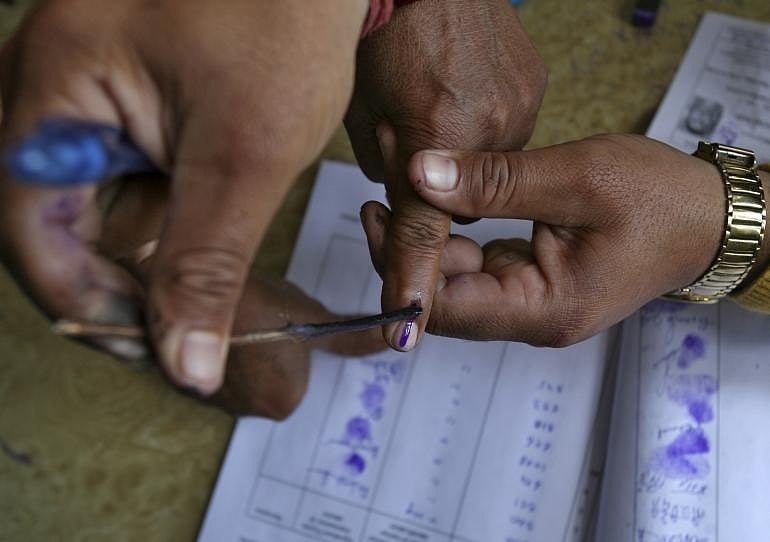
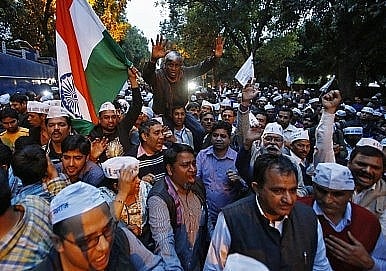
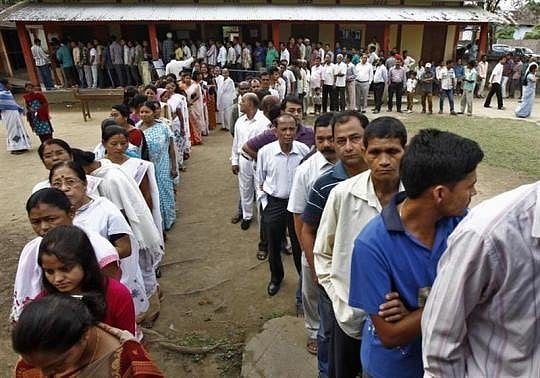
The country’s 502 parliamentary constituencies, which went to polls so far, recorded over 66.27% turnout.
If the trend of high turnout continues in the remaining 41 constituencies, where polling would be held on May 12 next, the nation will break its 1984 turnout record of 64.01 %.
That poll witnessed a sympathy wave in favour of the Congress, as it happened immediately after Indira Gandhi's assassination.
The Lok Sabha or lower House of Indian Parliament has 543 elected members.
The Election Commission of India is holding the current LS elections in nine phases.
While the first phase of polling was held on April 7, the last is scheduled on May 12. The counting will take place on May 16.
According to the Election Commission of India, the 502 constituencies, where polling already has been completed, had recorded 57.94% turnout during the 2009 Lok Sabha polls.
The voting percentage in the same constituencies went up significantly this year – by about 8.33%.
The ECI officials do not see any reason to anticipate a drastic fall in the voting percentage in the ninth and last round of polling.
The Director General of the ECI, Akshay Rout, told journalists in New Delhi that 30 of India's 35 States and Union Territories had already witnessed higher turnout than the parliamentary polls in 2009, when the nationwide voting percentage was 58.19%.
The first Lok Sabha election of independent India in 1951 witnessed 61.16% turnout.
The lowest turnout was recorded at 55.27 % during the fifth Lok Sabha elections in 1971.
Photo: Reuters