


Published : 22 May 2019, 08:21 PM
Updated : 05 Aug 2022, 05:54 PM


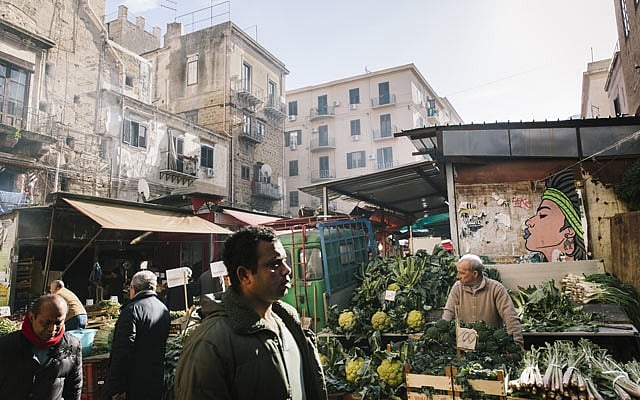
But many of the immigrants shopping in Palermo’s Ballarò market on a recent afternoon bypassed the Sicilian staples and went for heaps of hyacinth pea pods that Bangladeshis call sheem.
The pods used to be imported, said Sumi Dalia Aktar, a local Bangladesh-born politician who grew up in an apartment overlooking the market. But now, she said, Bangladeshis had found a way to grow and sell them in Palermo, angering the local Mafiosi who see cultivation of the pods as a threat to their traditions and control.
It’s not just the mafia. A fear of migrants, their customs — and sometimes, their produce — has taken root in Italy, fuelling the rise of populism and the ascent of Matteo Salvini, the tough interior minister and far-right leader of the anti-migrant League party.
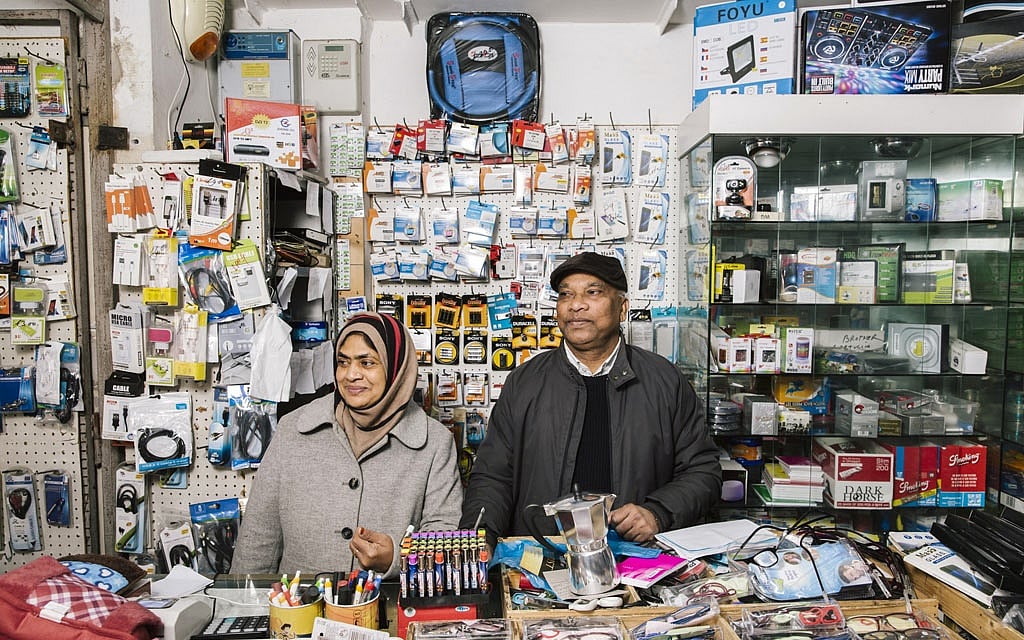
Uddin Mohammed Siraj, right, and his wife, Rina Uddin, from Bangladesh, in their shop at the Ballarò market, in Sicily, Italy, Jan. 16. 2019. A fear of migrants, their customs — and sometimes, their produce — has taken root in Italy, fuelling the rise of populism and the ascent of Matteo Salvini, the tough interior minister and far-right leader of the anti-migrant League party. (Gianni Cipriano/The New York Times).
The updated law, he has said, would crack down on the mafia, but also formalise the closure of Italy’s ports to migrants rescued from the Mediterranean Sea by aid groups that Salvini characterises as allies of human smugglers.
On Saturday, Salvini made yet another aid ship filled with migrants hovering off the Sicilian coast a talking point, telling a rally of international populists, “While I am minister, that boat will not enter an Italian port.”
On Monday, after the migrants landed anyway, a furious Salvini said on Facebook that if any minister had allowed migrants to enter the country, that minister must “answer to Italians.”
But what Italians actually think about migrants is complicated, especially in Palermo, a city with a history dating back to at least the Phoenicians that adapted to conquerors and waves of immigration. And Ballarò market, in the centre of town, is where many of those complications are playing out.
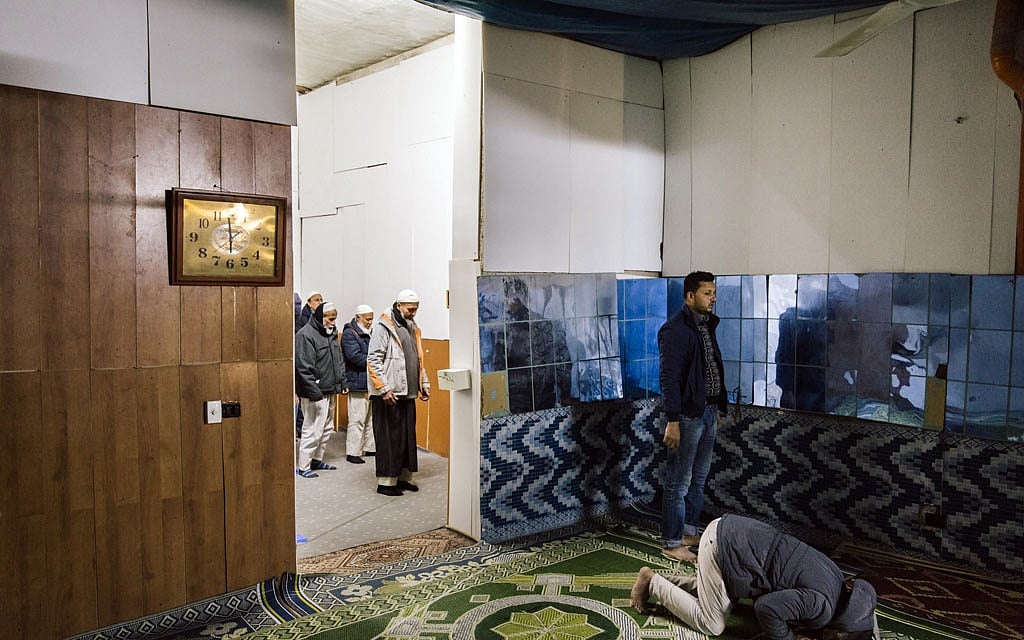
Praying in the Al Madina mosque and cultural centre at the Ballarò market, in Sicily, Italy, Jan. 16. 2019. A fear of migrants and their customs has taken root in Italy, fuelling the rise of populism and the ascent of Matteo Salvini, the tough interior minister and far-right leader of the anti-migrant League party. (Gianni Cipriano/The New York Times).
But immigrant vendors in Ballarò said extortion had not disappeared. Instead of thugs grabbing cash from the registers, their elementary-school age children took what they wanted off the shelves. Some merchants who resisted had their shops burned down.
And in the apotheosis of many Italian nightmares, Nigerian mobsters have replaced, or worked with, the Sicilian mafia to strike new fear into natives and immigrants alike.
The Ballarò market, filled with Sicilian staples but also such items as hyacinth pea pods, favoured by Bangladeshi immigrants, in Sicily, Italy, Jan. 16. 2019. A fear of migrants, their customs — and sometimes, their produce — has taken root in Italy, fuelling the rise of populism and the ascent of Matteo Salvini, the tough interior minister and far-right leader of the anti-migrant League party. (Gianni Cipriano/The New York Times)
For Salvini and his supporters, those Nigerian mobsters symbolise the threat of migrants from Africa.
“In Turin a 23-year-old Nigerian refused to be identified and BIT OFF a policeman’s finger!” Salvini wrote in a tweet on Tuesday.
Migrants in the market warned about which streets and corners to avoid, but they also said the greatest threat still came from the Sicilian mafia.
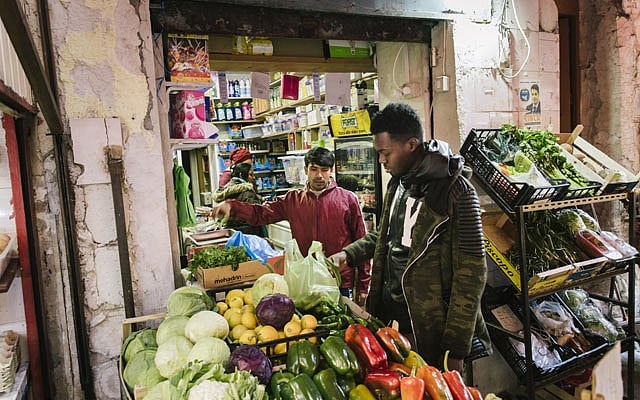
Hamd Saddy, a car washer from Ghana, shops for vegetables at a Bangladeshi shop in the Ballarò market, in Sicily, Italy, Jan. 16, 2019. A fear of migrants, their customs — and sometimes, their produce — has taken root in Italy, fuelling the rise of populism and the ascent of Matteo Salvini, the tough interior minister and far-right leader of the anti-migrant League party. (Gianni Cipriano/The New York Times).
In the last 25 years, a government crackdown severely weakened the mafia. But in 2016, a local Mafioso shot a Gambian migrant, Yusupha Susso, in the head, putting him in a coma.
A group of mostly Bangladeshi migrants had had enough. They refused to pay for protection and took legal action against the mobsters. One prominent crime family member ended up behind bars.
“I am proud” of the shopkeepers, Leoluca Orlando, Palermo’s mayor and an enemy of Salvini, said in his office, which displayed a painting and sculpture of St. Benedict the Moor.
He said he had met secretly with the shopkeepers in the police chief’s office and urged them to press charges.
Before the mafia’s era of terror, “Palermo was a migrant city,” he said. “Arabs and the Normans lived together. I normally say, ‘In Palermo, the dog and the cat and the mouse work together.’”
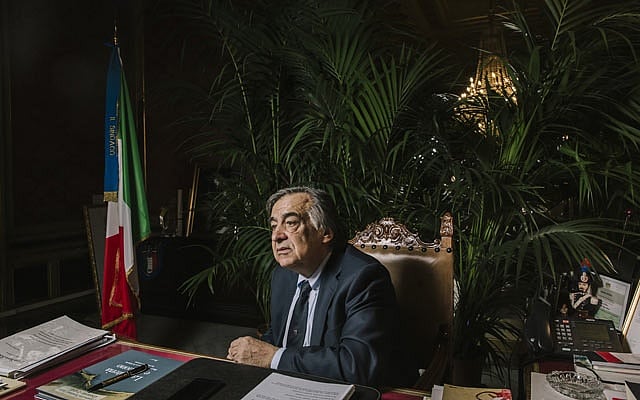
Leoluca Orlando, the mayor of Palermo, Italy, in his office, on Jan. 17, 2019. Orlando refuses to enforce a government decree targeting asylum seekers, saying it will only push them into the shadows and criminality. (Gianni Cipriano/The New York Times)
“It was a place not to go,” she said in Sicilian-accented Italian she acquired after having moved to Palermo at age 8.
As migrants on scooters buzzed by vendors calling out “strawberries,” she expressed amazement that Chinese tourists gathered under her old apartment every morning. “Now it’s a meeting place.”
As the crowds thinned and the Italian shops closed, Aktar, a natural politician, ducked into the ethnic stores to catch up with vendors.
A little African girl, wearing the pink smock of an Italian nursery schooler, waved at her while her mother shopped for potatoes. Aktar pointed out all the stores on the street that were Bangladeshi-owned.
“Bangladeshi. Bangladeshi, Bangladeshi,” she said. “Bangladeshi. Bangladeshi.”
At one of those stores, Hamd Saddy, a 22-year-old car washer from Ghana, shopped for vegetables.
“Their prices are good,” he said as the Bangladeshi shopkeeper plucked off sprigs of basil and mint from a plastic bag by the register and helped customers find cleaning products, jars of green peppers, cans of tuna, bottles of juice and “American sandwich” white bread. “It’s open for everybody and everybody is welcome.”
As night fell, Aktar stood on the street and whispered that the mob had targeted the Bangladeshi vendor who had owned the store behind her. Fearing for his family’s safety, she said, he waited until his Italian citizenship finally came through and left for London.
“He had to start completely over, from zero again,” said Aktar. Her own application for citizenship, she said, had been delayed by Salvini’s new law.
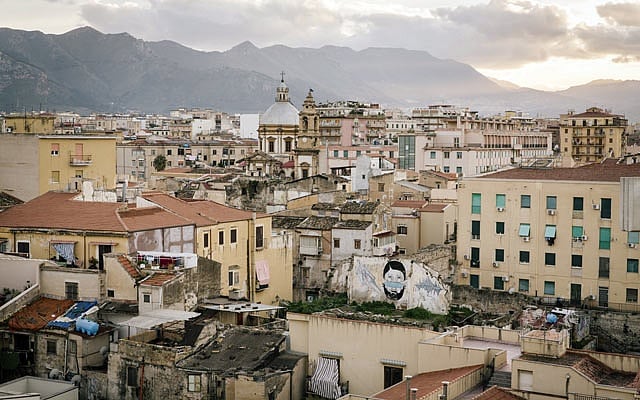
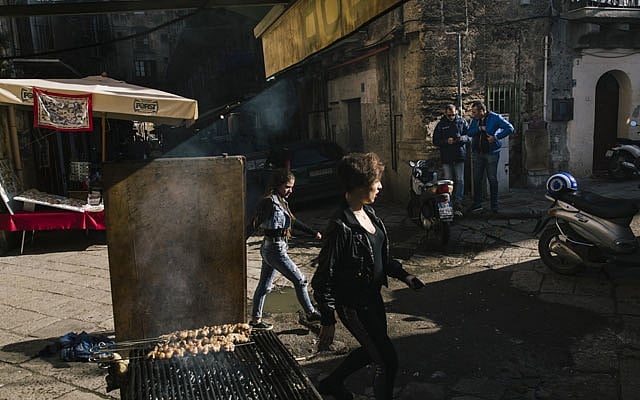
A view from the Ballarò market, in Palermo, Italy, Jan. 17. 2019. The market is filled with Sicilian staples but also such items as hyacinth pea pods, favoured by Bangladeshi immigrants. (Gianni Cipriano/The New York Times)
The men doffed their shoes and began praying as a Sicilian woman on the other side of the thin wall shouted in anguish at the noise. The mosque’s imam, Mohammed Fazlul Hoque, 57, who came to Palermo 24 years ago, took his neighbour’s lament in stride.
“When there were no foreigners,” he said. “The place was empty.”
© 2019 New York Times News Service













