


Published : 01 Oct 2021, 12:57 AM
Updated : 14 Oct 2022, 06:59 PM


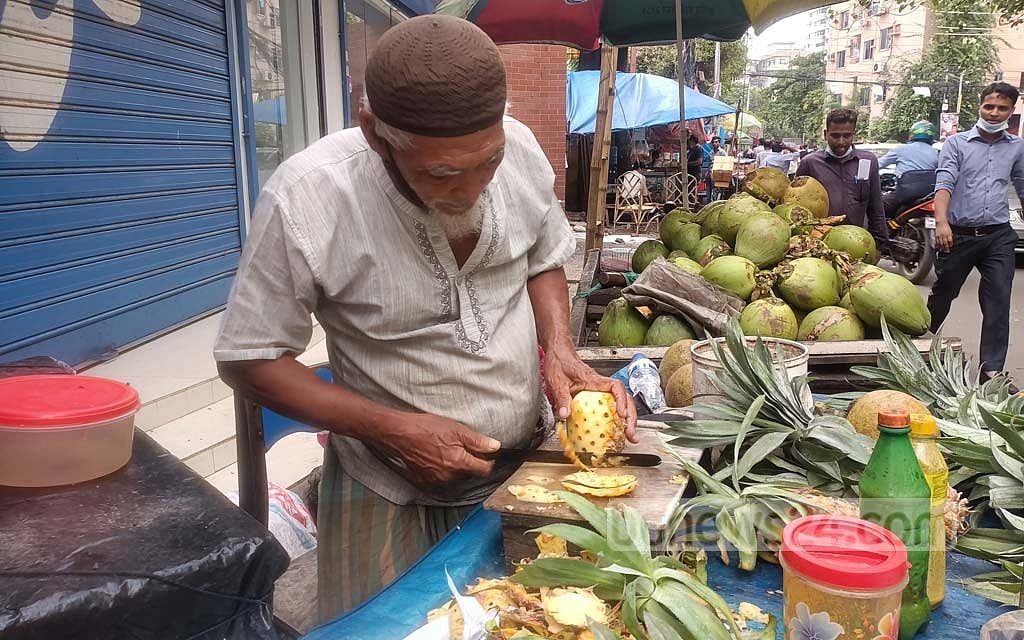
Actually, with a family struggling to get by, Siddiq does not wish him and her wife to be a burden to his two sons and three daughters. “I want to work as long as my body permits.”
“My sons already struggle to get by with the amount they earn. We don’t want to exacerbate their troubles in our old age. I can still work. Instead of staying at home I can go out and earn some money. With that, we can eat what we like. We want to spend the rest of our days as we wish.”
Bangladesh, like many other countries around the world, will mark the International Day of Older Persons on Oct 1, but many elders, such as Siddiq, do not have the chance to consider retirement in the country. Some suffer from poverty and deprivation. Others are separated from their families and have to fend for themselves without support structures.
>> The law of the land recognises people above 60 years as senior citizens.
>> Bangladesh has approximately 14 million elderly people, or about 8 percent of the population.
>> By 2050, the elder population is expected to hit 40 million. As life expectancy rises, so does the number of people in the elder cohort.
>> The National Policy on Older Persons recognises the rights of the senior citizens.
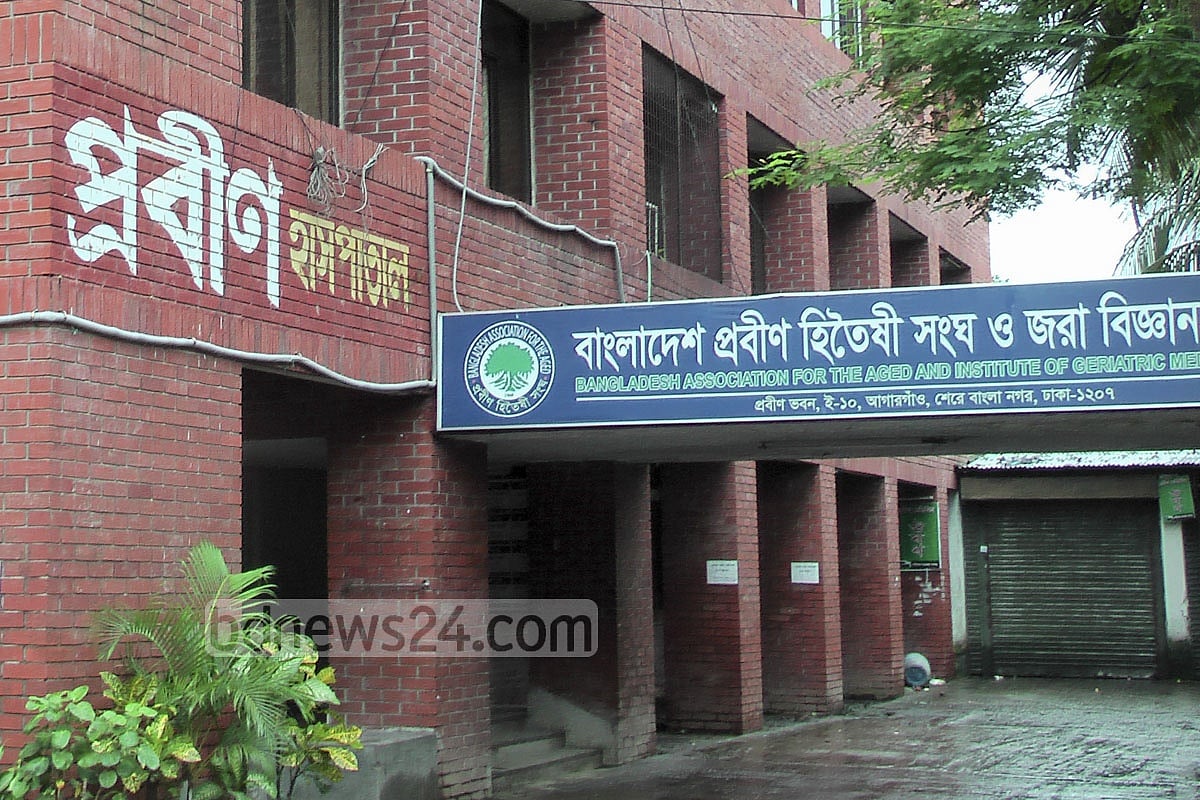
“Elders are not a burden on us, but are an asset,” said Md Abdul Mannan, president of the Bangladesh Association for the Aged and Institute of Geriatric Medicine. “They held a job or ran businesses for a long time and have made their contributions to society. We must make use of their experience. To do so, we must take care of our elders and treat them well.”
Joint families are largely a thing of the past and most people live in single families now. As such, elders are neglected. Besides government initiatives, Mannan believes, public awareness is needed to address the issue.
“Our government is a friend to elders. Our honourable Prime Minister Sheikh Hasina is working for the elderly. It has launched an elder allowance, made policies and laws for feeding and care for the elders, but in medical care and all other aspects, what is required is public awareness. Society has to come forward as a whole.”
The government instituted an elder allowance from fiscal 1997-98. Currently, the programme, overseen by the Department of Social Services, covers over 5.7 million people - men over the age of 65 and women over the age of 62. It started as Tk 100 per month, and increased to Tk 500. For fiscal 2021-22, the government has allocated over Tk 3.44 billion for the programme.
STILL STRUGGLING TO GET BY
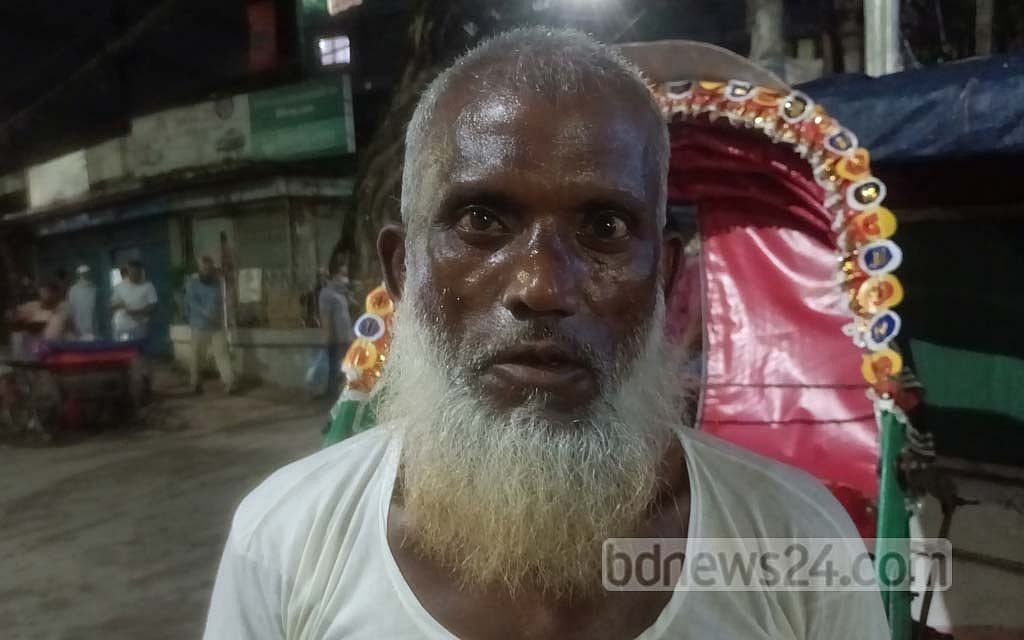
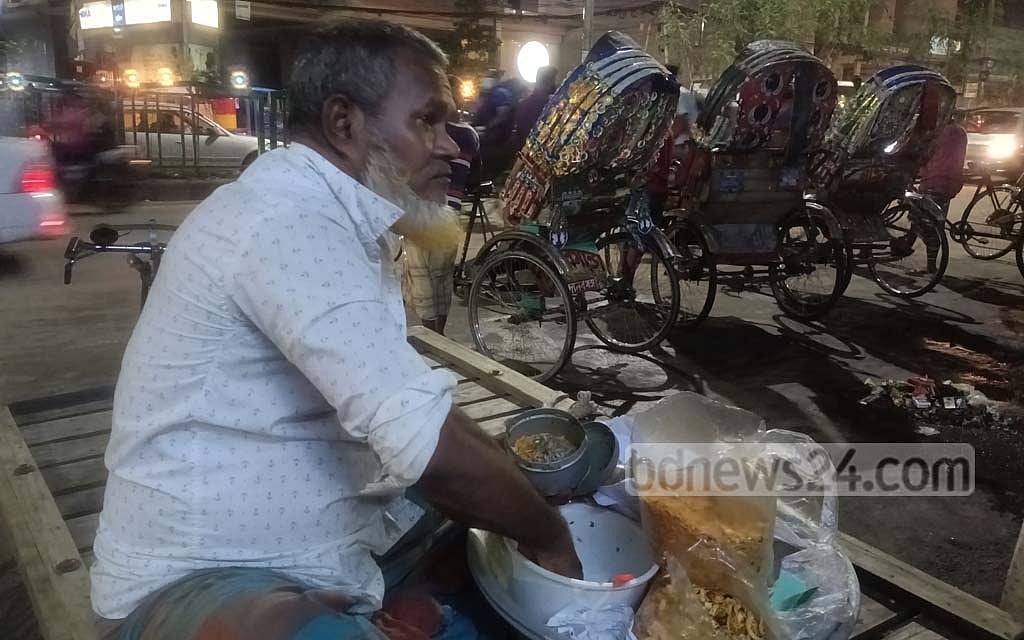
Md Mahalam, 68, has been pedalling rickshaw, the only job he knows, in Dhaka for 25 years. He had worked as a hotel boy before that. Now he cannot return home to the northern district of Gaibandha as his family has sold off most of the land they owned.
“If I give up this job, my wife, my daughter and I will have to go hungry. I’ll work as long as I draw breath.”
“I grew up doing odd jobs at people’s houses,” he said. “I married late, so my children are still too young to earn an income,” he said, with an unclear future ahead.
“I have one wish. I’d love to save some money and open a store. I don’t know whether I’ll be able to do that.”
So, what about retirement? “The poor can’t retire. If you work, you eat. If you don’t work, you get nothing. There’s no possibility of retirement. I’ve never even thought about it,” Adam Ali said.
Like Siddiq and Mahalam, fruit seller Mahtab Ali has been spending his life working on the streets of Dhaka. “I don’t have any major ailment. I hope I am able to work like this for the rest of my life.”
NEGLECTED BY SOLVENT CHILDREN
Not all the stories end well.
An elderly couple, who were professors in their active lives, are among the residents of the care home with their children staying in the US and the UK. The children never call their parents, said Mannan.
After designating people aged 60 years and above as “senior citizens” in 2014, President Md Abdul Hamid said it was the children’s duty to make the lives of their elderly parents comfortable.
“Children have to be aware and develop a respectful attitude towards their parents. Their behaviour should be positive, so their parents stay well,” Mannan said.
THE YOUTH OF TODAY WILL AGE TOO
“The nation needs to begin making preparations immediately to deal with a rapid rise in the aged population,” he said, adding that the people are not preparing to address the issue on a personal, social and state level.
“The younger generation – those who will make up our ageing population in the future – have to start thinking about old age. The positive action the youth of today can take now will ultimately benefit them in the future.”
And awareness, as always, is the key.
“If we don’t take multi-faceted action now, we will fall behind. The youth must come forward to ensure the welfare of the elderly. The government is taking various steps. But this isn’t their responsibility alone. It is essential for everyone to come together on this issue with the proper awareness, humanity and responsibility.”
[Written in English by Shoumik Hassin and Osham-ul-Sufian Talukder]













