


Published : 05 Apr 2015, 07:22 PM
Updated : 19 Oct 2022, 06:40 PM


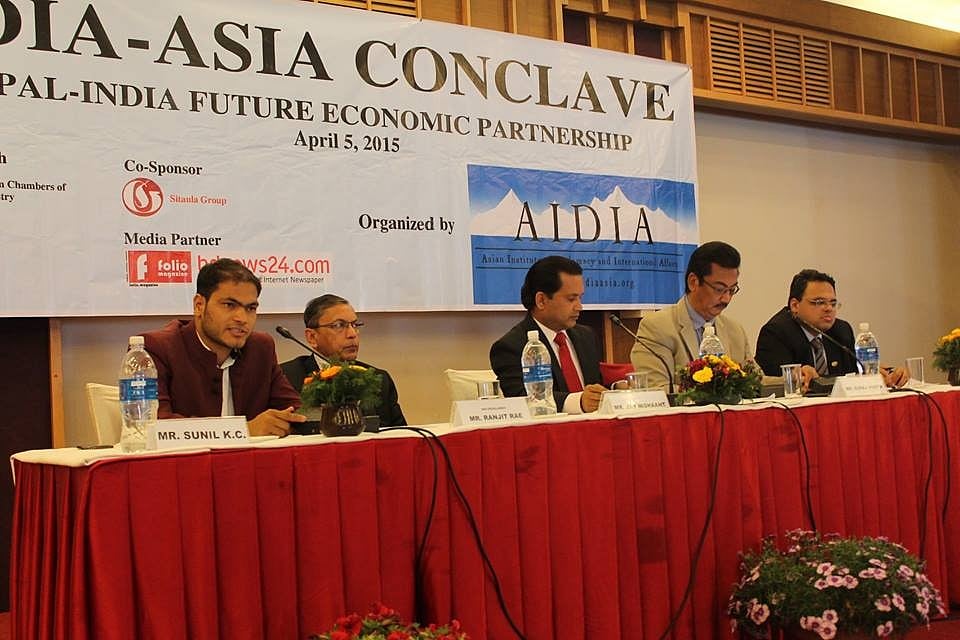
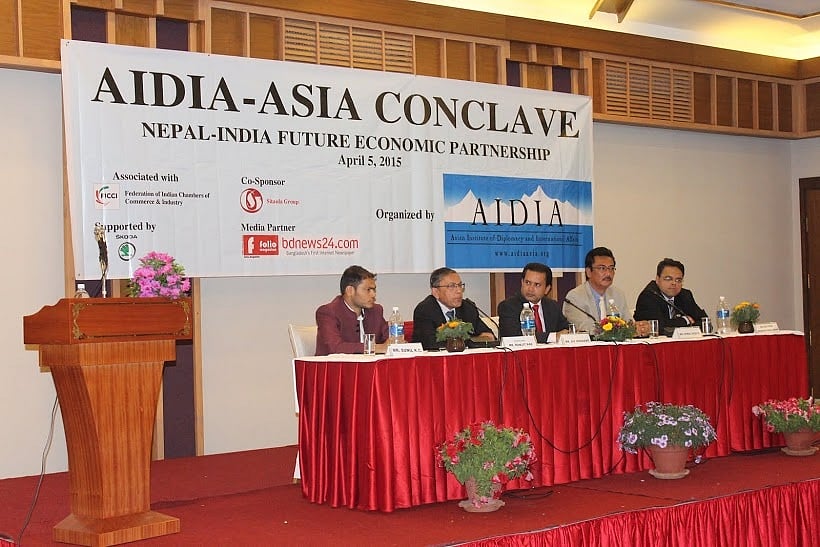
Dattesh Prabhu Parulekar was speaking at a conclave in the Nepalese capital, Kathmandu, on Sunday.
Nepal-based think-tank Asian Institute of Diplomacy and International Affairs (AIDIA), the meet organiser, said he stressed on “transition from economic interdependency to economic synergy” for the region’s collective gains.
Parulekar said Prime Minister Narendra Modi’s foreign policy was pivotal to enhanced co-operation among the countries.
India’s Ambassador to Nepal Ranjit Rae and former president of Nepal chamber, FNCCI, Suraj Vaidhya, also spoke at the conclave, chaired by AIDIA founder Sunil KC.
The AIDIA organised the meet with focus on the problems and prospects of Nepal-India economic partnership.
KC, however, said India must work together with its “SAARC friends on a give-and-take basis and not act as a South Asian power”.
With the Modi government completing its one year in office next month, he suggested a review of its impact on SAARC countries.
Modi has focused on a neighbourhood policy since he assumed in office in May last year.
The Indian ambassador in Kathmandu said Modi’s policy of 'Sabka saath, Sabka Bikaas' was the key to an enhanced South Asian economic co-operation and understanding.
He expressed India’s optimism about the process of preparing the constitution in Nepal and wished the Himalayan state would graduate from an LDC (Least Developed Country) to a developing country by 2022.
Around 150 participants from business sectors and political departments, diplomats, academics, students of international relations and diplomacy, and media attended the conference.













