


Published : 11 May 2019, 10:54 PM
Updated : 17 Oct 2022, 11:39 AM


Myanmar’s first real elections in a generation were unfolding in 2015, and Shwe Mann, once the third-most powerful man in the country’s military dictatorship, was losing his bid for a seat in Parliament. The victor was a teacher from the party led by Aung San Suu Kyi, whom the ruling junta had kept under house arrest for 15 years.
Shwe Mann’s wife counselled him to pray to Buddha. The former general meditated and accepted his loss. But he still kept his gun under his pillow, just in case the people of Myanmar decided to come after him, seeking retribution for nearly 50 years of repressive rule.
No mob came for him that night, or the next. And Shwe Mann, a political chameleon, has exchanged trench warfare and the bunkered mentality of a xenophobic junta for a personal library full of titles like “101 Ways to Win an Election” and “How Successful People Think.”
Most surprising of all, he has grown close to Suu Kyi; the onetime jailer and his prisoner of conscience usually meet a couple of times a week, communing over fish noodle soup and vegetables pungent with shrimp paste. He wrote a book called “The Lady, I and Affairs of State” in which he praised her “integrity and kindness.”
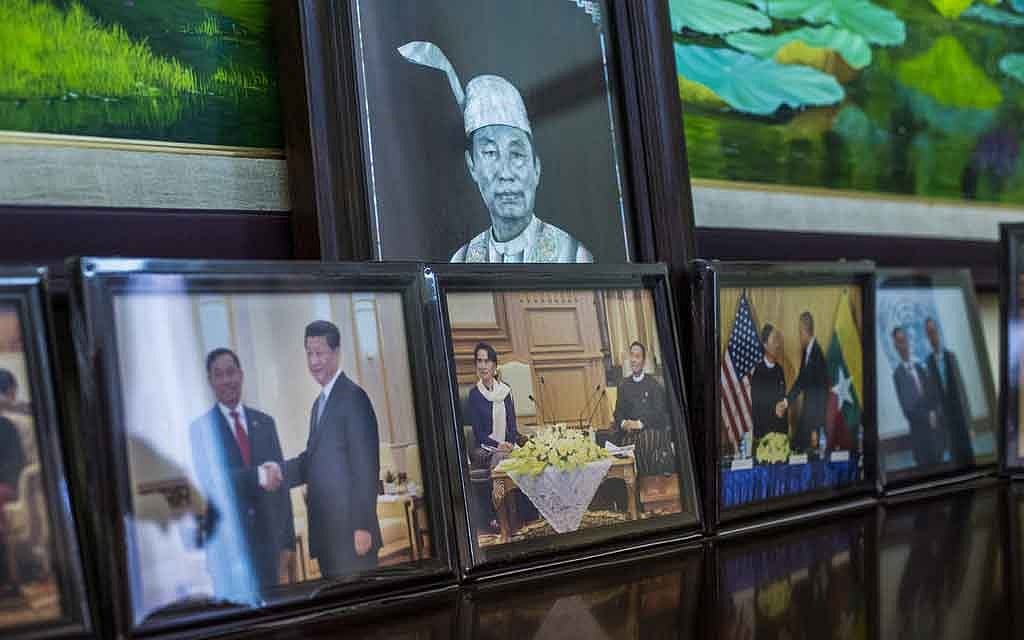
Framed photos of U Shwe Mann during his career, at his house in Naypyitaw, Myanmar, March 29, 2019. Shwe Mann was one of the most powerful men in the military dictatorship. Now, he has a political party and a friend in Daw Aung San Suu Kyi. (Minzayar Oo/The New York Times)
He surprised his fellow top brass by cozying up to Suu Kyi, the Nobel Peace Prize laureate and politician who in 2016 became the de facto leader of Myanmar’s civilian government. Her reputation abroad has since been devastated by her defence of the military’s violent oppression of the Rohingya minority, and her government’s suppression of dissent.
“Maybe she has bitterness” toward the generals who persecuted her, Shwe Mann said, in recognition of their unlikely relationship. “She should.”
Shwe Mann says that his political party will support Suu Kyi’s efforts, even as he hints that her party, the National League for Democracy, has been disappointing since its landslide victory four years ago. The military still controls a quarter of the seats in Parliament and the top ministries, not to mention a military budget that dwarfs any other expenditure.
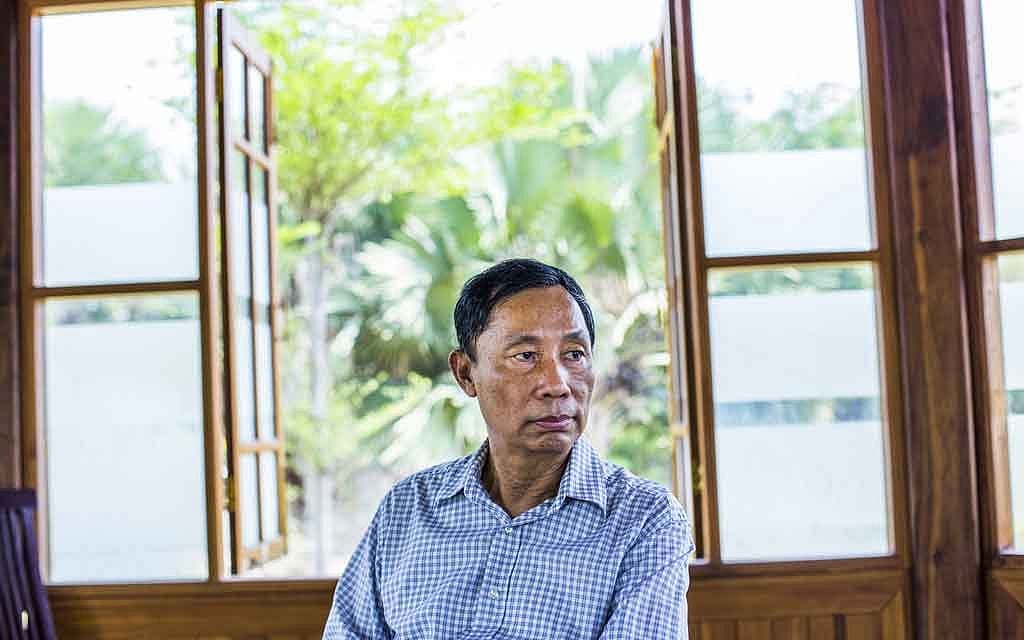
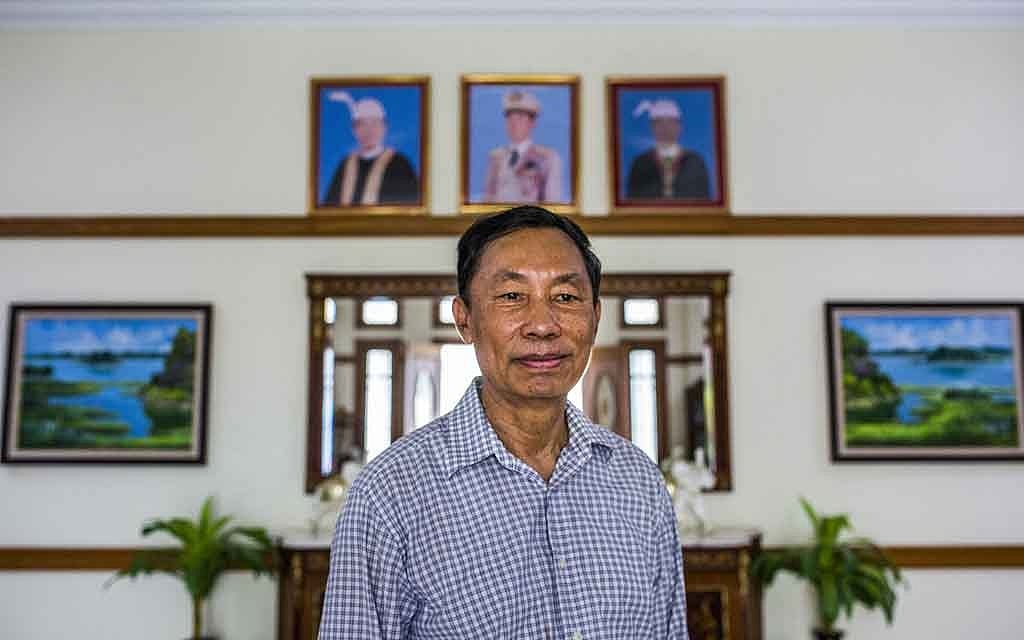
U Shwe Mann inside the compound of his house in Naypyitaw, Myanmar, March 29, 2019. Shwe Mann was one of the most powerful men in the military dictatorship. Now, he has a political party and a friend in Daw Aung San Suu Kyi. (Minzayar Oo/The New York Times)
“We cannot blame them, but practical experience is very important,” he added.
His own education in governing began in 2011 with a slight, when the military backed Thein Sein, a mild-mannered bureaucrat with little battlefield experience, to become president, rather than the openly ambitious Shwe Mann.
Instead, Shwe Mann was made speaker of the Lower House of Parliament, and he dispatched one of his sons to prepare memos on how parliamentary politics worked. The son obliged, scouring Wikipedia pages and consulting books such as “British Politics for Dummies.”
Shwe Mann quickly turned the speaker’s post into one of the most powerful in the country. After his election loss in 2015, Suu Kyi gave him control of an influential legal commission, which he also invested with outsize power.
But in February, Parliament declined to renew the commission’s term. Shwe Mann now has no official position, other than as head of a new political party with a skeletal membership.
Even though an expected investment boom has not materialised in Myanmar, Suu Kyi’s party is expected to dominate the 2020 elections. Her personal appeal at home endures, and the military-linked party remains reviled for the army’s long, ruinous grip on the country.
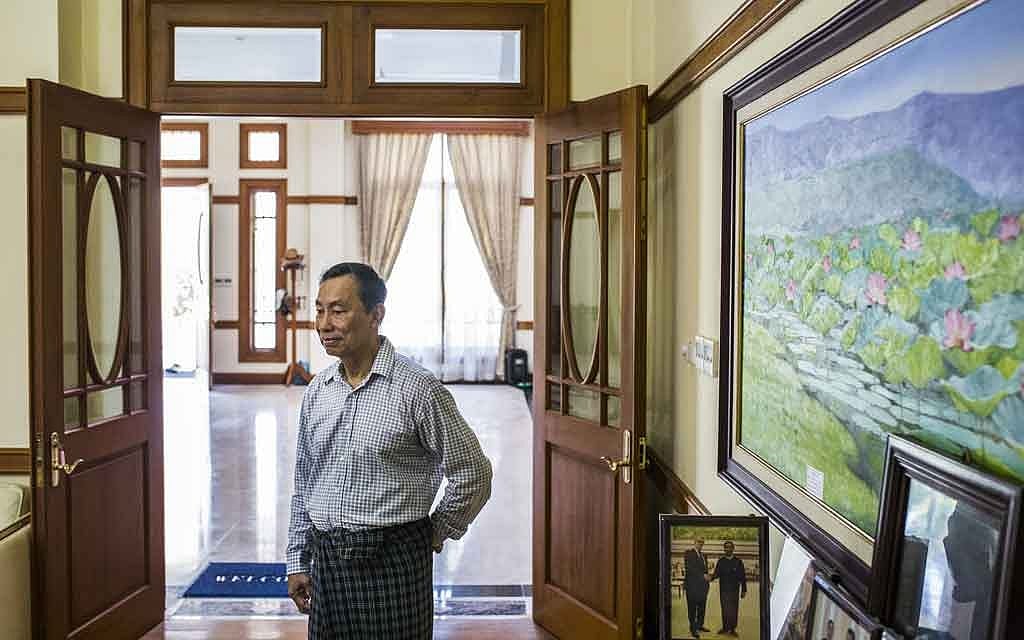
U Shwe Mann inside the compound of his house in Naypyitaw, Myanmar, March 29, 2019. Shwe Mann was one of the most powerful men in the military dictatorship. Now, he has a political party and a friend in Daw Aung San Suu Kyi. (Minzayar Oo/The New York Times)
Shwe Mann, a Bamar, denies mistreating ethnic minority civilians during his battle years, when he suffered shrapnel wounds, malaria and too many fallen men under his command.
“I never tortured local people when I was there, and I never killed a single person,” he said. “We fight, but we have mutual respect for each other.”
Shwe Mann is pessimistic about the resolution to Myanmar’s ethnic unrest, which has simmered for decades and recently flared on the northern and western frontiers, where ethnic Rakhine, Shan and Kachin militia groups are fighting for autonomy.
“There will be more war,” he said, sitting in a teak gazebo in a vast leadership compound in the country’s capital, Naypyitaw, occupied by retired members of Myanmar’s junta.
© 2019 New York Times News Service








