November 23, 2026

Drought-hit Indian village looks to 'water wives' to quench thirst

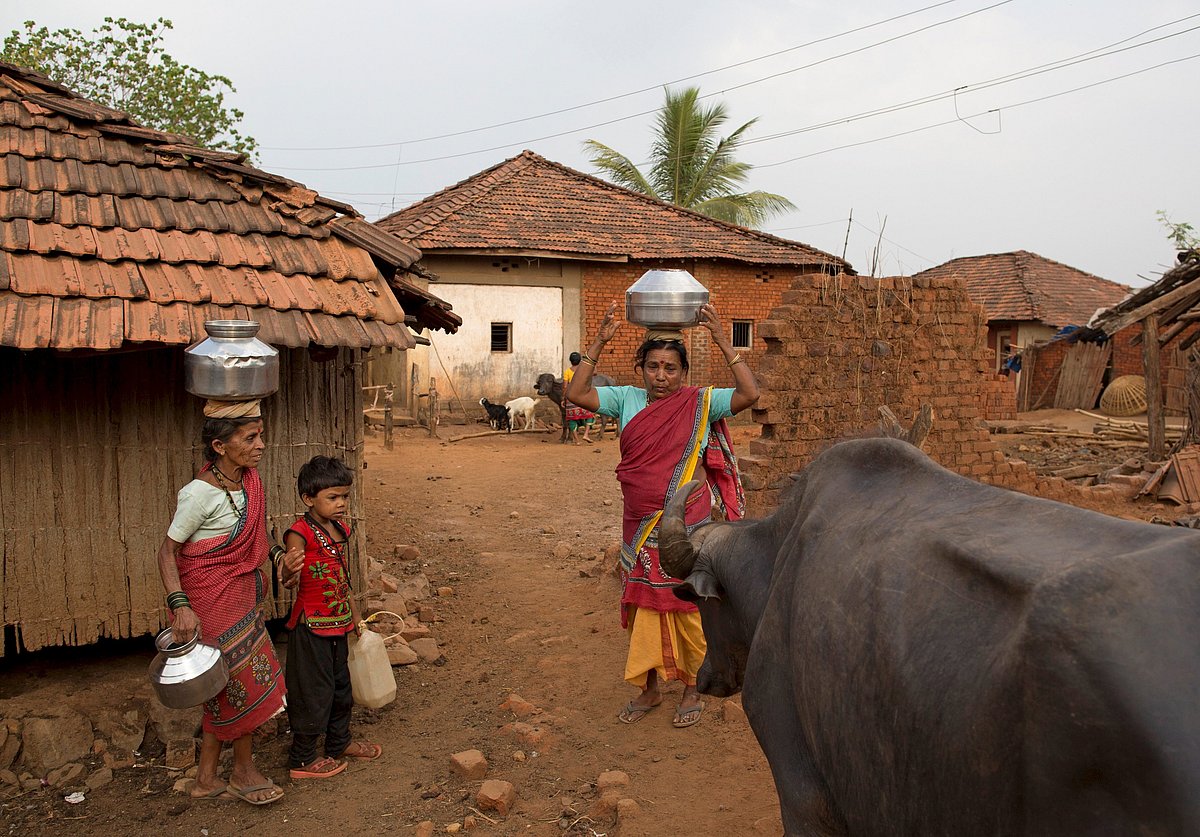
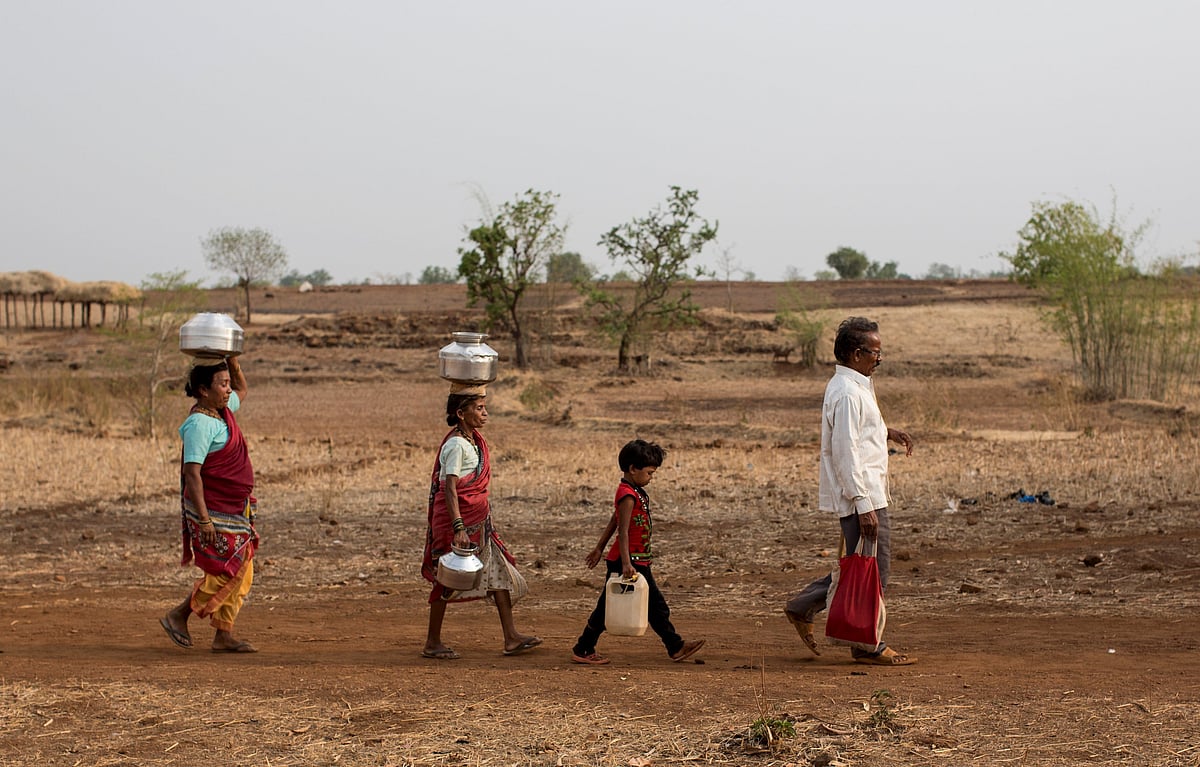
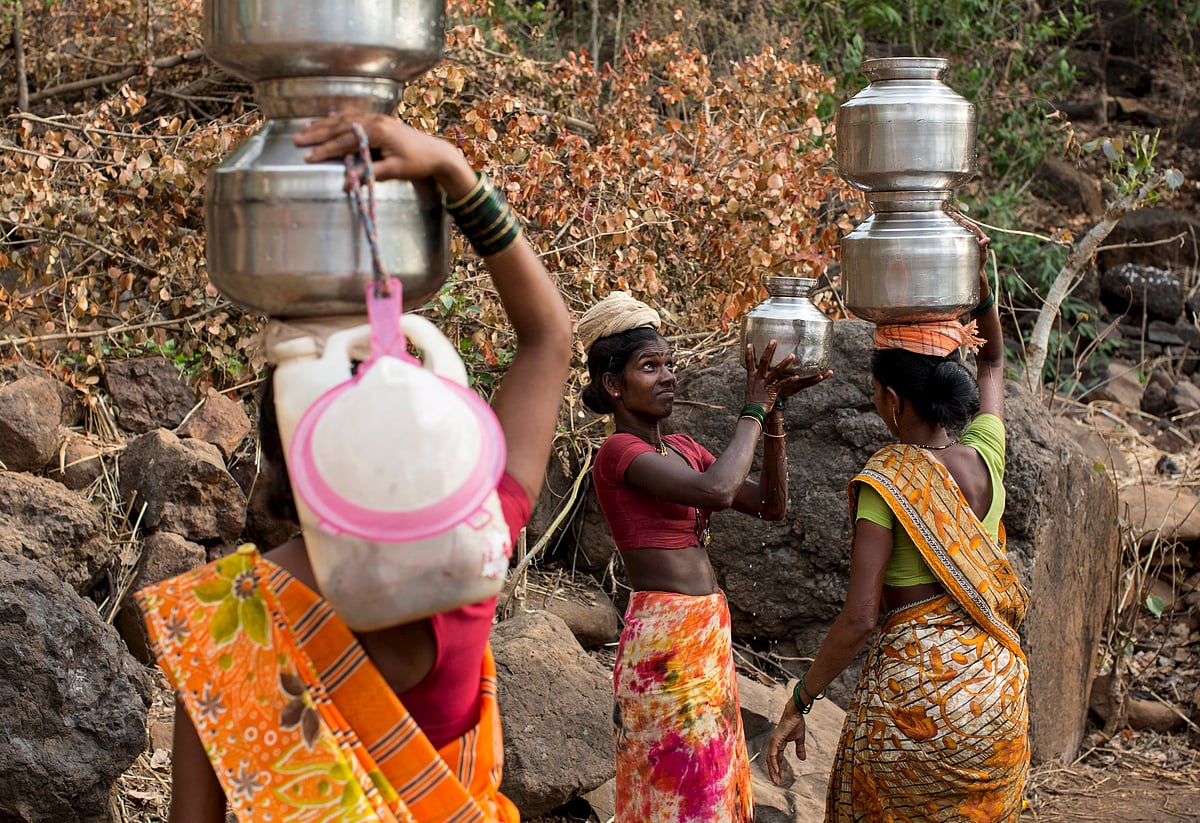
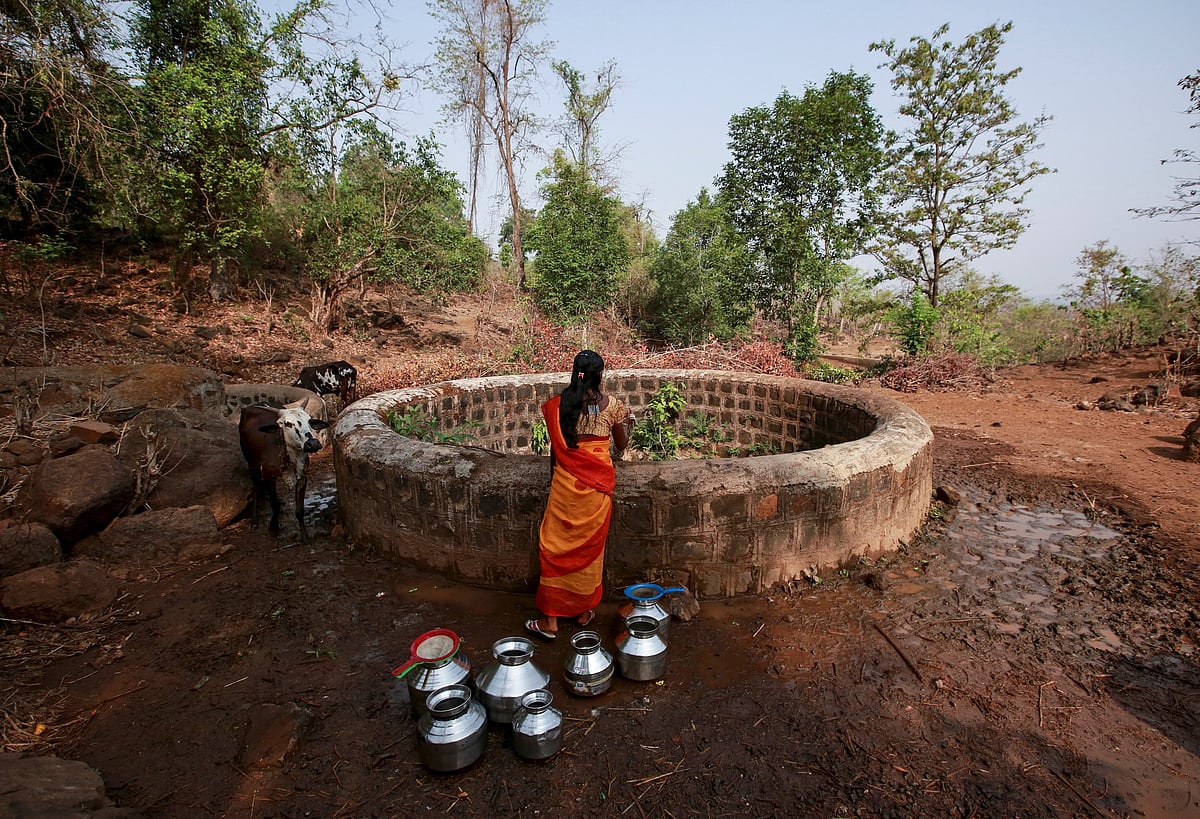
In the parched village of Denganmal, in western India, there are no taps. The only drinking water comes from two wells at the foot of a nearby rocky hill, a spot so crowded that the sweltering walk and wait can take hours.

Reuters

>>

Reuters

Published : 12 Jun 2015, 12:50 PM

Updated : 19 Oct 2022, 06:48 PM

Image
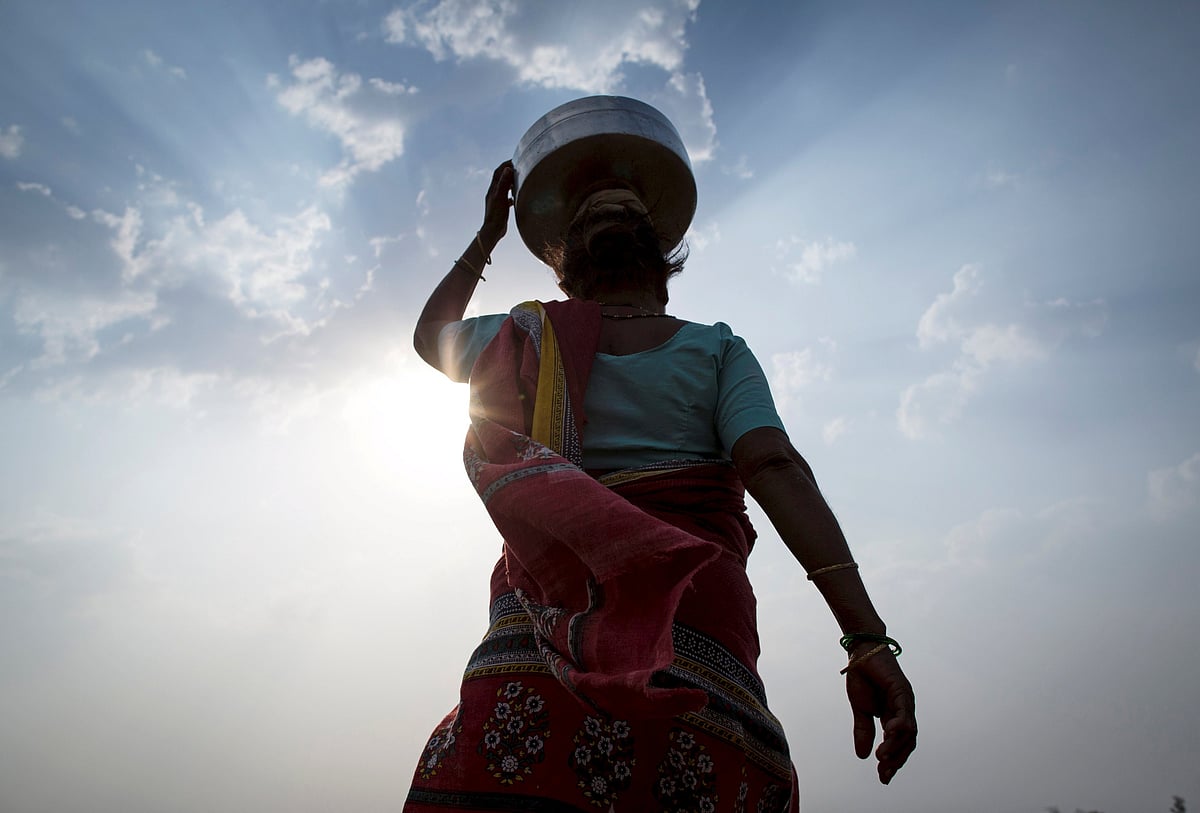
Bhaagi, third wife of Sakharam Bhagat, carries an empty metal pitcher as she walks to fetch water from outside her village in Denganmal, Maharashtra, India, April 20, 2015.
Image
Metal pitchers used for storing water are seen in a room in Sakharam Bhagat's house in Denganmal village, Maharashtra, India. REUTERS
Image
Sakhri, second wife of Sakharam Bhagat, carries an empty metal pitcher as she walks to fetch water from a well outside her village in Denganmal, Maharashtra, India. REUTERS
Image
A man makes bundles of dry grass at a temporary shelter in Denganmal, Maharashtra, India, April 21, 2015. REUTERS
Image
Sakhri, the second wife of Sakharam Bhagat carries a metal pitcher filled with water from a well outside her village in Denganmal, Maharashtra, India. REUTERS
Image
Sakhri, the second wife of Sakharam Bhagat washes utensils outside their house in Denganmal, Maharashtra, India. REUTERS
Image
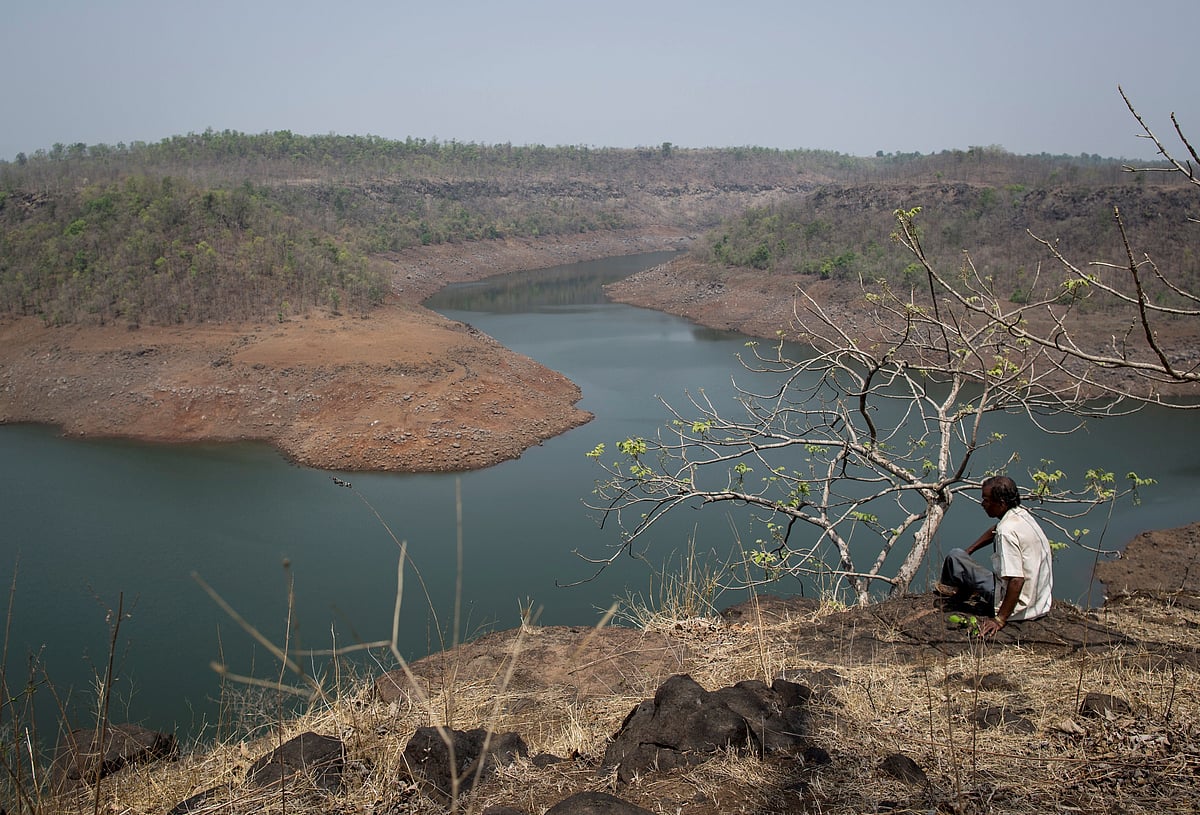
A villager sits on a hill overlooking part of Bhatsa dam on the outskirts of Denganmal village, Maharashtra, India. REUTERS
Image
Bhaagi (R) and Sakhri (L), who are married to Sakharam Bhagat, leave their house to fetch water from a well outside Denganmal village, Maharashtra, India. REUTERS
Image
Bhaagi (L) and Sakhri (2nd from L), wives of Sakharam Bhagat (R) walk to fetch water from a well outside Denganmal village, Maharashtra, India, April 20, 2015.
Image
A woman helps another in carrying metal pitchers filled with water from a well outside Denganmal village, Maharashtra, India. REUTERS
Image
A resident fetches water from a well outside Denganmal village, Maharashtra, India, April 21, 2015. Reuters

For Sakharam Bhagat, as for many others in the hamlet some 140 km (85 miles) from Mumbai, the answer was a 'water wife'.

Bhagat, 66, now has three wives, two of whom he married solely to ensure that his household has water to drink and cook.

"I had to have someone to bring us water, and marrying again was the only option," said Bhagat, who works as a day labourer on a farm in a nearby village.

"My first wife was busy with the kids. When my second wife fell sick and was unable to fetch water, I married a third."

Bhagat and his family are suffering the consequences of a critical shortage of safe drinking water in India's villages, as well as the fallout from the most severe drought that his state, Maharashtra, has faced in a decade.

In Maharashtra, India's third-largest state, the government estimated last year that more than 19,000 villages had no access to water.

And India is again facing the threat of a drought this year, with monsoon rains expected to be weaker than average.

In Denganmal, a cluster of about 100 thatched houses set on an expanse of barren land, most men work as farm labourers, barely earning the minimum wage. Marrying for water has been the norm here for many years, villagers said.

Bhagat's wives all live in the same house with him but have separate rooms and kitchens. Two of them are entrusted with fetching water, while the third manages the cooking.

Polygamy is illegal in India, but, in this village, "water wives" are common.

"It is not easy to have a big family when there is no water," Namdeo, another villager who has two wives, said.

Bhagat says the women, some of them widows or abandoned, are also happy with the arrangement.

"We are like sisters. We help each other. Sometimes we might have problems, but we solve them among ourselves," his first wife, Tuki, said.


Related Stories