Published : 07 Oct 2026, 03:24 AM
Updated : 07 Oct 2026, 03:24 AM


A 28-year-old researcher at a plague institute in Siberia has died of pneumonia of unknown origin, putting a rare and deadly infection back in the spotlight.
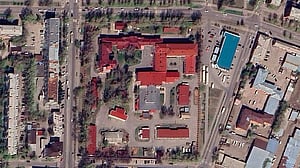
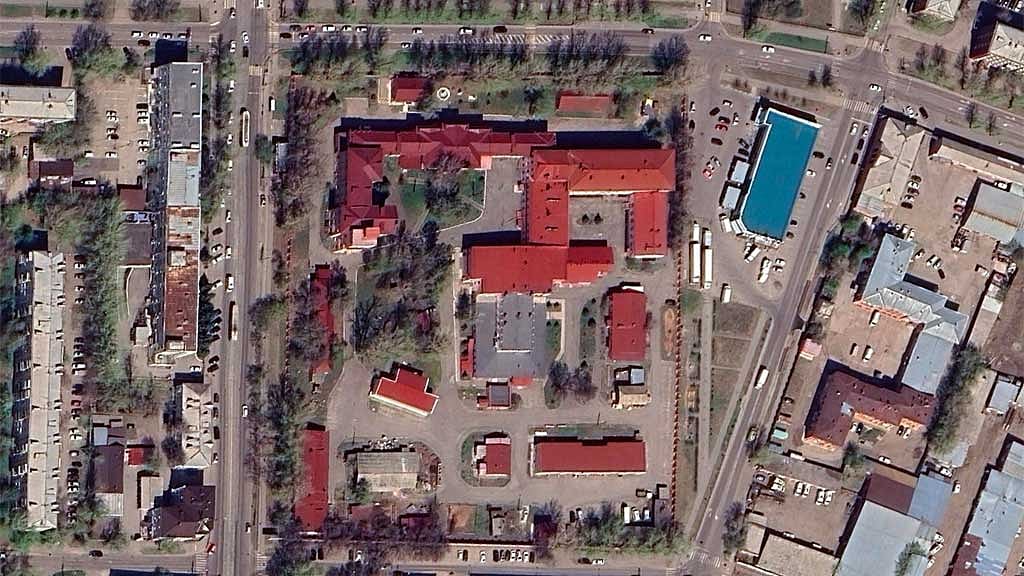
The death at the Irkutsk Research Anti-Plague Institute has prompted questions about pneumonic plague -- the most dangerous form of the bacterial infection caused by Yersinia pestis, and the only type that spreads directly from person to person, reports CNN.
Unlike the more common bubonic plague, which typically follows a flea bite and causes swollen lymph nodes, pneumonic plague attacks the lungs. Respiratory droplets carry it between people when someone coughs or sneezes.
Symptoms can appear within 24 hours and without treatment, the disease is nearly always fatal.
Early signs include fever, chills, headache, body aches, nausea and difficulty breathing.
Doctors treat it with antibiotics -- ciprofloxacin and streptomycin among them -- and patients who receive treatment within the first 24 hours have the best survival odds.
Despite its fearsome history -- the "Black Death" killed more than 50 million people in 14th-century Europe -- plague remains present on every continent except Oceania.
Most modern cases occur in Africa. The last US death from pneumonic plague was recorded in Arizona in July 2025.
Russia's disease authority Rospotrebnadzor has downplayed any link between the researcher's death and her work, and around 200 people who had contact with her have been quarantined as a precaution.
The World Health Organization says the risk to the general public appears low.
Infectious disease specialists note that pneumonic plague makes people too ill to travel, limiting its spread.
"It's very difficult for someone to even walk, do their daily activities, let alone travel," said Dr Rutul Dalal of Penn State Health.
The WHO does not recommend mass vaccination but advises laboratory workers at high risk to consider it, according to CNN.
For the general public, avoiding contact with sick individuals and routine handwashing remain the key precautions.