Published : 04 Oct 2026, 12:20 AM
Updated : 04 Oct 2026, 12:20 AM


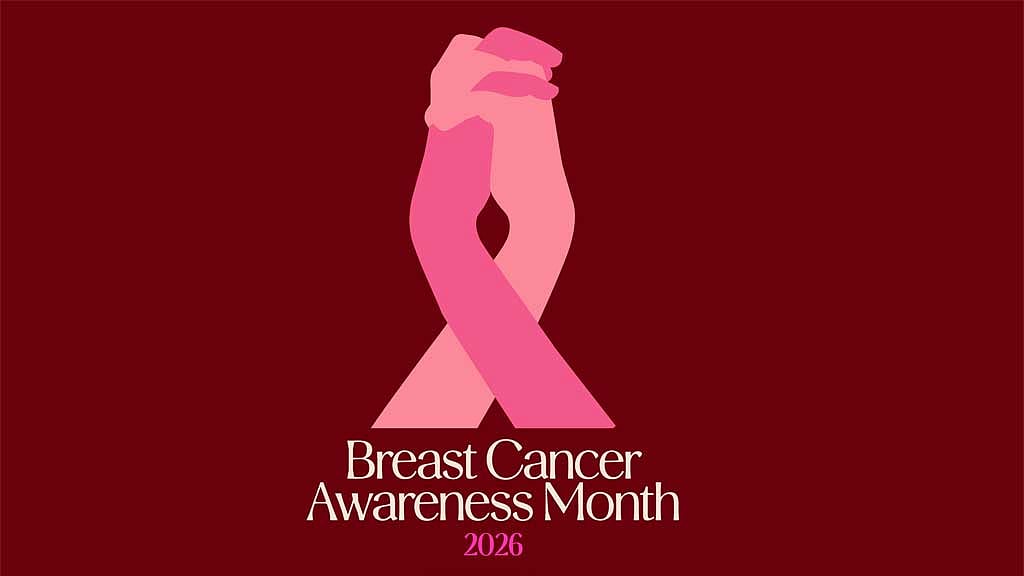
October marks Breast Cancer Awareness Month, a global campaign highlighting the importance of early diagnosis, quality treatment and better access to care for people affected by breast cancer.
The World Health Organization (WHO) has chosen “Every story is unique, every journey matters” as this year’s theme, recognising that breast cancer affects people differently depending on their diagnosis, treatment, support networks and access to healthcare.
According to the WHO, breast cancer remains the most common cancer among women worldwide. An estimated 2.4 million women were diagnosed in 2024, while 694,000 women died from the disease.
The WHO reported that breast cancer occurs in every country and can affect women at any age after puberty, with rates increasing later in life. Around 80 percent of cases occur among women without a specific risk factor other than being female and getting older.
The organisation pointed to major differences in breast cancer survival between countries, linked in part to unequal access to early detection, diagnosis and effective treatment.
WHO data show that 41 percent of women in low-income countries are expected to survive for at least five years after diagnosis, compared with 87 percent in high-income countries. Around 70 percent of breast cancer deaths occur in low- and middle-income countries.
The WHO has urged people to watch for unusual breast changes and seek medical advice. Signs can include a lump or thickening, changes in breast size or shape, skin or nipple changes, and unusual discharge.
The organisation said knowing personal risk factors can help people seek care when needed. These include age, obesity, alcohol use, family history, radiation exposure, reproductive history and tobacco use.
Through its Global Breast Cancer Initiative, the WHO is calling for countries to improve services across the cancer care pathway, from early detection and diagnosis to comprehensive treatment and supportive care.
The initiative aims for earlier diagnosis, diagnosis within 60 days and recommended treatment for 80 percent of patients. The health organisation has urged action to support those affected and improve access to quality care.
The campaign's central message is that a person’s place of residence should not determine their chances of surviving breast cancer.